
The global supply chain has evolved from a series of isolated linear transactions into a highly interconnected web where a single minor disruption can ripple across continents within seconds. In the modern commercial environment, logistics is no longer merely a back-office function but the very nervous system of retail and consumer goods industries. A decision made at a regional distribution center, such as implementing a new piece of sorting software or reconfiguring a pallet layout, instantly impacts every downstream node in the network. This shift has forced a move away from static performance metrics toward a dynamic model that prioritizes systemic harmony over individual component speed. As variety increases and consumer demand remains volatile, the ability of a supply chain to synchronize its various parts has become the primary indicator of health. Consequently, successful organizations are those that bridge the gap between high-level executive planning and the daily reality of the warehouse floor. By treating the supply chain as a living organism, businesses develop the agility required to navigate a globalized economy.
Redefining Labor and Efficiency Through Technology
Practical Automation: A Response to Labor Shortages
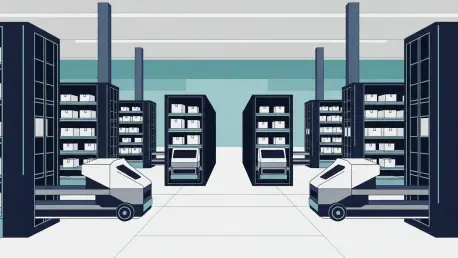
Automation has transitioned from a futuristic aspiration to a fundamental necessity for maintaining operational continuity in a market plagued by chronic labor shortages. While earlier investments in robotics were often driven by a desire for novelty, the current push focuses on the practical stabilization of output amidst rising wages and a dwindling pool of manual workers. Companies are increasingly deploying sophisticated sorting systems and autonomous mobile robots to handle the mundane tasks that previously required hundreds of man-hours. This technological integration provides a predictable baseline of performance that human labor alone can no longer guarantee in an environment of high turnover. By automating core functions, logistics managers ensure that a high standard of quality is maintained even when market demand spikes unexpectedly. This reliability forms the bedrock of modern strategy, allowing businesses to plan with a level of certainty that was previously impossible when relying solely on variable human availability.
Beyond simple mechanical assistance, modern automation serves as a buffer against the inherent unpredictability of the global economy through data-driven precision. The integration of artificial intelligence with warehouse management systems allows for real-time adjustments to inventory flow, which compensates for external delays before they manifest as stockouts. This proactive approach to logistics means that machines are not just moving boxes; they are executing a complex dance of resource allocation designed to minimize waste and maximize throughput. For many enterprises, the decision to invest in these systems is no longer a matter of choice but a survival tactic to remain competitive against digital-native giants. As these technologies become more accessible, the barrier to entry for high-efficiency logistics continues to lower, forcing traditional players to modernize or face obsolescence. The result is a more resilient industry where technology acts as the glue holding together disparate global operations under a single strategy.
The Transition: From Manual Labor to Process Management
As machines take over the most repetitive and physically difficult tasks, the role of the supply chain worker is undergoing a profound transformation into that of a process expert. This shift is not merely about replacing hands with mechanical arms; it is about elevating the workforce to oversee and optimize complex automated ecosystems. Employees who once spent their days moving heavy pallets are now being retrained to interpret data from warehouse control systems and troubleshoot robotic malfunctions. This transition helps companies keep running smoothly while simultaneously helping workers develop specialized technical skills that are highly valued in the current economy. By moving away from manual labor, businesses are creating a more sustainable work environment that reduces physical strain and increases long-term employee retention. This human-centric approach to technology ensures that the workforce remains an asset rather than a variable cost, providing the intellectual oversight necessary to manage an increasingly automated world.
The economic implications of this labor shift are significant, as it fundamentally changes how companies calculate the value of their human capital within the supply chain. When workers become technical managers, their ability to drive process improvements directly impacts the bottom line more than their physical output ever could. This evolution requires a dedicated commitment to continuous learning and upskilling, as the pace of technological change shows no signs of slowing down. Organizations that invest in their people alongside their machines find that they are better equipped to handle the complexities of modern logistics. These skilled process experts provide the critical thinking and problem-solving abilities that machines currently lack, especially when dealing with unique customer requests or systemic anomalies. Consequently, the modern warehouse has become a center for technical innovation where the synergy between human intelligence and mechanical precision creates a competitive advantage that is difficult for competitors to replicate easily.
Aligning Physical Infrastructure with Long-Term Strategy
The Timing Gap: Construction Versus Innovation
A major hurdle in contemporary logistics is the significant time gap that exists between the physical construction of a warehouse and the rapid evolution of technology. It can take several years to plan, permit, and build a new facility from scratch, but customer habits and technological trends can shift entirely within a single season. This disparity often leads to situations where a company’s growth is severely held back because its physical space cannot accommodate the latest automated tools or a sudden pivot in sales strategy. To mitigate this risk, developers and logistics planners are moving toward modular designs that allow for easier internal reconfigurations as needs change. By anticipating the need for future upgrades during the initial design phase, businesses can avoid the costly and time-consuming process of retrofitting older buildings that were never intended for high-speed robotics. This forward-thinking approach ensures that the physical infrastructure remains an enabler of innovation.
The strategic consequences of a poorly planned facility are permanent, as a building that cannot adapt to new technology becomes a bottleneck that limits the entire supply chain. Modern businesses are increasingly looking for locations and real estate partnerships that offer the freedom to expand or contract as their technological requirements evolve. This shift in perspective means that the selection of a warehouse site is no longer just about proximity to highways or low land costs; it is about the long-term viability of the structure itself. Companies must weigh the immediate benefits of a cheaper, older facility against the potential long-term losses caused by an inability to implement modern automation. In a market where speed to consumer is the ultimate metric of success, the flexibility of the physical asset is just as important as the software running inside it. Therefore, the alignment of construction timelines with innovation cycles has become a critical component of executive-level decision-making for any logistics-heavy business.
Strategic Assets: Navigating Market Demands and Fresh Goods
In many markets, fast delivery has become the standard expectation for consumers, yet there remains a strong resistance to paying the premium costs associated with such speed. This creates a difficult balancing act for retailers who must find ways to accelerate their fulfillment processes without eroding their profit margins. Managing this challenge requires a nuanced approach where companies strategically choose which segments of their inventory to expedite and which to move through slower, more cost-effective channels. Micro-fulfillment centers located closer to urban populations have emerged as a viable solution, allowing for rapid last-mile delivery while keeping bulk storage in more affordable regional hubs. This tiered logistics model enables businesses to satisfy the demand for speed for high-priority items while maintaining the overall financial health of the organization. By fine-tuning these trade-offs, retailers can protect their bottom lines while still meeting the elevated expectations of a modern and very impatient customer base.
The most successful companies recognized that logistics was no longer a cost center but a primary driver of value. They established protocols that prioritized modularity and invested in training programs that converted warehouse staff into technical managers. These organizations moved away from rigid long-term plans and adopted rolling strategies that accounted for technological shifts every six months. By integrating real-time data with physical flexibility, they built systems capable of absorbing shocks that crippled their less-prepared competitors. Future success in this space required a total commitment to the marriage of physical assets and digital intelligence. Leadership teams shifted their focus toward long-term resilience rather than immediate cost-cutting, ensuring their supply chains remained robust in the face of inevitable disruptions. This approach transformed logistics into a strategic fortress that protected profit margins while delivering superior service across even the most demanding sectors like fresh food and pharmaceuticals.