
The once-dreaded package journeying back to the warehouse now represents one of the most significant opportunities for retailers to cultivate customer loyalty and unlock previously untapped revenue streams. What was long treated as a logistical headache and a drain on profits is undergoing a profound transformation. In today’s competitive commercial landscape, a well-managed returns process is no longer just a defensive measure but a proactive strategy for growth, sustainability, and building lasting consumer relationships.
The Evolving Role of Reverse Logistics in Modern Commerce
Reverse logistics has graduated from a back-office function to a critical component of the modern retail ecosystem. Its significance has been magnified by the relentless growth of e-commerce and the rise of global online marketplaces, which have normalized returns as a standard part of the shopping experience. This shift places immense pressure on supply chains to handle a higher volume and variety of returned goods efficiently.
The integration of technology and data analytics is fundamentally reshaping this landscape. Advanced platforms now provide unprecedented visibility into the returns journey, allowing businesses to analyze patterns, predict volumes, and optimize processing. Consequently, key market players are moving beyond simple cost-mitigation tactics. They now view reverse logistics as a source of valuable insights and a mechanism for creating new value, whether through recommerce, recycling, or enhanced customer engagement.
Decoding the Four Pillars of Future Returns Strategy
The future of returns management is being built upon four strategic pillars that collectively transform this operational challenge into a competitive advantage. These priorities reflect a holistic understanding of the returns process, acknowledging its impact on customer satisfaction, environmental responsibility, logistical efficiency, and financial performance. This integrated approach marks a definitive pivot from a reactive to a proactive stance on reverse logistics.
Emerging Priorities Reshaping the Returns Experience
At the forefront of this evolution is a deliberate move toward a customer-centric model. Retailers now recognize that a seamless, transparent, and hassle-free returns experience is a powerful tool for enhancing loyalty and encouraging repeat purchases. The goal is to remove friction from the process, turning a potential point of frustration into a positive brand interaction.
Simultaneously, the principles of the circular economy are gaining significant traction. Businesses are actively embracing strategies that extend the life of returned products through improved salvaging, repair, and resale on secondary markets. This focus is complemented by efforts to optimize cross-border logistics via localized returns consolidation, which reduces shipping costs and environmental impact. The overarching objective is to shift the paradigm from managing costs to actively monetizing the entire returns process for greater profitability.
Data-Driven Projections Quantifying the Returns Revolution
Market data underscores this strategic realignment, with 22% of supply chain professionals identifying customer service improvements as their primary returns-related priority. This focus on the consumer is supported by an emphasis on operational excellence, as nearly a third of businesses plan to outsource returns processing to leverage specialized expertise in sustainability and repair.
The drive for efficiency is particularly evident in global operations, where local returns consolidation has become a top priority for 35% of retailers seeking to manage the complexities of international commerce. Furthermore, the push for monetization is gaining momentum. A clear indicator of this trend is the 20% of businesses that are concentrating on maximizing duty drawback, turning a regulatory requirement into a direct benefit to their bottom line.
Navigating the Hurdles in Reverse Logistics
Despite the strategic opportunities, significant hurdles remain in reverse logistics. The complexities of managing cross-border returns, including customs, duties, and varying international regulations, continue to create substantial logistical and cost challenges. These issues are often compounded by the financial losses stemming from returns fraud and the difficulty of processing goods that are damaged or otherwise unsellable upon receipt.
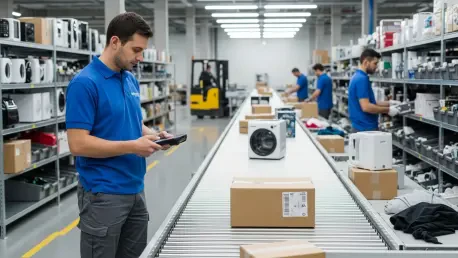
Operational inefficiencies also present a persistent obstacle. Delays in processing, restocking, and issuing refunds can negate the benefits of a customer-friendly returns policy and increase carrying costs. To counter these problems, retailers are implementing strategies to improve visibility and control across the entire returns journey. By tracking items from the moment a return is initiated to its final disposition, companies can identify bottlenecks and make data-informed decisions to streamline operations.
The Growing Influence of Sustainability and Compliance
Legislative demands for greater environmental responsibility are exerting a powerful influence on how retailers manage returns. As governments and consumers alike push for more sustainable practices, companies are compelled to reevaluate their reverse logistics policies to minimize waste and promote circularity.
A key driver of this change is the expansion of Extended Producer Responsibility (EPR) schemes, which hold manufacturers accountable for the entire lifecycle of their products, including disposal. These regulations are prompting significant investment in infrastructure for repair, recycling, and recommerce. Consequently, aligning returns management with corporate sustainability goals is no longer just a matter of public relations; it is a critical aspect of compliance and a response to clear consumer expectations for ethical and eco-conscious business operations.
Forging the Future Technology and the Circular Economy
Technology is the central enabler of the modern returns ecosystem. Sophisticated returns portals and management software create a connected, data-rich process that benefits both the consumer and the retailer. These platforms simplify the user experience while providing businesses with valuable analytics to optimize inventory, reduce fraud, and understand product performance.
This technological foundation is fueling the rise of recommerce as a key market disruptor and a vital new revenue stream. By creating efficient pathways to resell returned or refurbished goods, retailers are tapping into a growing consumer demand for value and sustainability. Innovations in automation and AI are further accelerating this shift, dramatically reducing “back-to-stock” times and minimizing waste. Ultimately, this progress is paving the way for a fully integrated circular economy powered by an intelligent and efficient reverse logistics network.
Transforming Costs into Opportunities The New Returns Paradigm
The findings present a clear and compelling narrative: returns management has evolved into a strategic driver for sales, sustainability, and customer satisfaction. The industry is actively moving away from a model where returns are viewed solely as a cost center. Instead, leading retailers now treat their reverse supply chain as an asset that can deliver tangible value across the business.
This new paradigm requires a proactive and strategic approach. Success hinges on integrating customer-centric policies with sustainable practices and efficient, technology-enabled operations. For those who invest wisely, the returns process offers a powerful means of building a more resilient, responsible, and profitable retail ecosystem. The industry’s prospects are bright for those who recognize that the journey of a returned product is not an end but a new beginning.