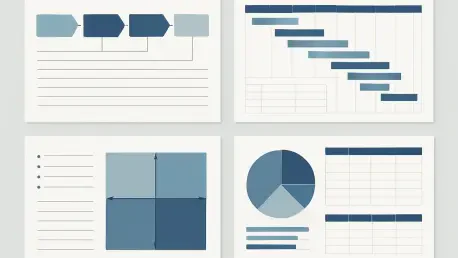

The difference between a high-performing organization and one that merely survives often rests on the invisible architecture of its operational frameworks. In an environment where market volatility is the only constant, the ability to pivot from high-level strategy to tactical delivery without losing momentum has become the ultimate competitive advantage. This review examines the current state of Strategic Project Execution Templates, exploring how they have transitioned from simple checklists into sophisticated, data-driven engines that power modern enterprise Work OS environments. By institutionalizing success through standardized phases and real-time synchronization, these frameworks are redefining how teams maintain consistency in an increasingly fragmented digital landscape.
The Evolution of Execution Frameworks
Traditional project management relied heavily on the “reinventing the wheel” philosophy, where every new initiative began with a blank slate and a series of disconnected meetings. This approach inevitably led to fragmented data and inconsistent outcomes, as institutional knowledge often walked out the door with individual project managers. The shift toward standardized templates represents a fundamental move toward the institutionalization of success. These frameworks are no longer just repositories for tasks; they are architectural blueprints that encapsulate years of organizational learning into repeatable workflows.
The transition from static documents, such as disconnected spreadsheets and word-processing files, to dynamic Work OS environments marks a pivotal moment in operational history. Static files were essentially “born dead,” becoming obsolete the moment a team member missed a deadline or changed a priority. In contrast, modern dynamic frameworks operate as living systems. They provide a unified platform where cross-functional complexity is managed through real-time updates, ensuring that every stakeholder, from the frontline developer to the executive sponsor, is looking at the same source of truth.
Key Architecture and Functional Components
Strategic Alignment and Business Objectives
A common failure in project execution is the “execution gap,” where teams work diligently on tasks that have drifted away from the original business case. Modern templates solve this by embedding strategic alignment directly into the project’s DNA. By forcing the documentation of success criteria and business value within the framework itself, organizations create a natural barrier against scope creep. This integration ensures that resources are never blind to the “why” behind the “what,” keeping high-value initiatives at the forefront of the portfolio.
Dynamic Timelines and Dependency Mapping
Linear scheduling has been replaced by interactive, multi-dimensional timelines that understand the ripple effects of every change. The technical sophistication of today’s templates allows for automated critical path identification, which highlights the specific sequence of events that must happen for a project to finish on time. When a deadline shifts in one department, the template automatically recalibrates all dependent tasks across the entire ecosystem. This automation removes the manual labor of rescheduling, allowing project leads to focus on problem-solving rather than administrative adjustments.
Resource Allocation and Workload Matrices
Optimizing human capital requires a deep understanding of capacity that goes beyond simple headcount. Modern templates now incorporate complex workload matrices that track not only availability but also specific skills inventories. This allows for a more nuanced approach to project staffing, where the right person is assigned to the right task at the optimal time. By providing real-time visibility into team bandwidth, these frameworks help prevent the burnout that typically follows poorly planned surges, ensuring that the organization maintains a sustainable pace of delivery.
Risk Assessment and Mitigation Structures
Proactive management is the hallmark of a mature execution strategy. Native risk assessment frameworks within templates allow teams to identify potential hurdles—ranging from supply chain delays to technical debt—before they manifest as crises. These structures provide a standardized methodology for assessing the impact and probability of various risks, pre-planning responses that can be triggered instantly. By making risk management a continuous part of the workflow rather than an end-of-month reporting chore, organizations build a culture of resilience.
Emerging Trends in Intelligent Planning
The integration of artificial intelligence into project frameworks has fundamentally altered the role of the project manager. We are seeing the rise of AI-powered risk detection systems that can identify subtle patterns across thousands of data points that would be invisible to the human eye. These systems don’t just report what has happened; they use historical performance data to predict what is likely to happen next. This move toward predictive execution allows for a level of foresight that was previously impossible, transforming project management from a reactive discipline into a proactive one.
Furthermore, the rise of “smart” templates means that the frameworks themselves are becoming more intelligent with every project completed. They learn from past performance, suggesting more accurate durations for specific tasks based on the actual time taken in previous cycles. This self-optimizing nature ensures that the planning phase becomes increasingly refined over time. Instead of relying on gut feelings or overly optimistic estimates, teams are presented with data-backed suggestions that align planning with the reality of their specific organizational speed and culture.
Real-World Applications and Sector Implementations
The versatility of these templates is evident in their deployment across vastly different operational methodologies. In the software development sector, Agile and Scrum templates facilitate rapid iterations and continuous feedback loops. Conversely, in highly regulated industries like construction or pharmaceutical manufacturing, Waterfall templates provide the rigid phase-gate control necessary for compliance. The most advanced organizations are now adopting hybrid models, which allow for structured top-down planning while granting individual teams the flexibility to execute in a more decentralized, agile manner.
Standardized frameworks have proven particularly effective in breaking down the silos that traditionally separate marketing, product, and operations. By using a common operating language, these departments can coordinate complex product launches with surgical precision. Executive leadership teams are also benefiting from this standardization, as it allows them to gain portfolio-level visibility. Unified dashboards pull data from hundreds of disparate projects, providing a comprehensive view of organizational health that enables faster, more informed decision-making at the highest levels.
Adoption Challenges and Operational Hurdles
Despite the clear advantages, the path to template-driven maturity is not without its obstacles. Organizational change management remains a significant hurdle, as many teams are deeply entrenched in legacy systems or “shadow IT” habits. Migrating from the comfort of familiar, static documents to a centralized, transparent platform requires a cultural shift that prioritizes accountability and openness. Without strong leadership buy-in, these sophisticated tools can suffer from low adoption rates, undermining the very consistency they were designed to create.
Technical integration also poses a challenge for many enterprises. Connecting execution templates with existing technology ecosystems—such as CRMs, ERPs, and specialized communication tools—requires a robust API strategy and careful data mapping. Furthermore, there is a legitimate risk of “template sprawl,” where an organization creates so many specialized frameworks that they lose the benefit of standardization. Maintaining a strict governance model is essential to ensure that the template library remains streamlined, high-quality, and aligned with the overarching corporate strategy.
Future Trajectory of Adaptive Work OS
Looking forward, the transition from reactive planning to fully autonomous execution environments is likely the next major breakthrough. We are approaching a point where project management systems may be capable of making real-time resource reallocations or shifting timelines without manual intervention. Imagine a system that recognizes a delay in a creative asset and automatically shifts the start date of a marketing campaign while notifying all affected vendors. This level of autonomy would allow human managers to move even further up the value chain, focusing entirely on strategy and innovation.
The long-term impact on global workforce productivity cannot be overstated. As organizations become more adept at template-driven agility, their ability to pivot strategies instantly in response to market shifts will become a defining characteristic of success. This evolution will likely lead to a more fluid global labor market, where skills-based templates allow teams to form, execute, and dissolve with unprecedented speed. The organizations that master these adaptive environments will be those that can scale their operations almost infinitely without the typical corresponding increase in administrative friction.
Summary of Strategic Impact
The review of current Strategic Project Execution Templates revealed a profound shift toward intelligent, real-time systems that bridge the once-yawning gap between high-level vision and tactical reality. These frameworks moved beyond the limitations of static planning, offering dynamic environments where strategic alignment, resource optimization, and risk mitigation were woven into the daily fabric of work. The analysis demonstrated that while technology provided the foundation, the true value of these templates lay in their ability to institutionalize best practices and provide a common language for cross-functional collaboration.
To capitalize on these advancements, organizations should immediately audit their current project frameworks to identify where static documents are creating data silos. The next step involved moving toward a centralized Work OS that prioritized dynamic synchronization over manual entry. By investing in the development of a curated template library and establishing clear governance protocols, leadership could ensure that their execution engine remained both consistent and flexible. The move toward predictive planning suggested that those who adopted these technologies early gained a decisive advantage in achieving scalable, predictable growth in an increasingly complex global economy.