
The successful delivery of a project can often mask underlying issues of budget overruns and resource strain, creating a deceptive picture of efficiency that only crumbles upon post-completion analysis. Time tracking software represents a significant advancement in project management and operational efficiency, bridging the critical gap between estimated effort and actual execution. This review will explore the evolution of the technology from simple hour logging to a strategic business intelligence tool, its key features, performance metrics, and the impact it has had on various applications. The purpose of this review is to provide a thorough understanding of the technology, its current capabilities, and its potential future development.
Understanding the Evolution of Time Tracking
Time tracking software has undergone a profound transformation, moving far beyond its origins as a digital equivalent of the traditional punch card system. Initially designed for the straightforward task of recording hours for payroll, these tools were administrative necessities rather than strategic assets. Their function was retrospective, offering a simple record of past work without providing context or insight into performance, profitability, or operational bottlenecks. This early iteration served a purpose but remained disconnected from the workflows and strategic objectives of the broader organization.
The contemporary landscape of time tracking technology, however, presents a starkly different picture. Modern platforms are deeply integrated into the fabric of enterprise operations, connecting time data directly to project management, resource planning, and financial systems. This shift has redefined time tracking as a core component of business intelligence. By linking hours worked to specific tasks, projects, and strategic initiatives, organizations can now translate raw temporal data into actionable insights. This evolution reflects a broader trend in enterprise technology toward interconnected systems that provide a holistic view of performance, enabling leaders to manage resources proactively and align daily activities with long-term profitability goals.
Core Capabilities of Modern Time Tracking Platforms
Automated Time Capture and Data Accuracy
A fundamental capability of modern time tracking platforms is the move away from manual data entry through sophisticated automation. Manual timesheets are notoriously unreliable, susceptible to human error, recall bias, and simple neglect, resulting in data that is often incomplete or inaccurate. Automated time capture addresses these weaknesses head-on by using technology to log work as it happens. Features such as intelligent activity detection, which monitors application and document usage, can create a detailed, passive timeline of an employee’s day, which they can then review and confirm. This approach significantly reduces the administrative burden on employees, which in turn boosts user adoption rates across the organization.
Furthermore, direct integrations with digital calendars and project management tools enhance data integrity by automatically converting scheduled events, like meetings or dedicated work blocks, into time entries. Embedded timers within task cards or project boards allow users to start and stop tracking with a single click, capturing duration in real time without disrupting their workflow. By replacing guesswork with precise, contextually relevant data, these automated systems create a trustworthy foundation for all subsequent analysis. This high-fidelity data is essential for accurate project costing, resource forecasting, and performance evaluation, transforming time tracking from a perfunctory chore into a reliable source of business intelligence.
Integrated Workload and Resource Management
The true strategic value of time tracking is unlocked when it is seamlessly integrated with workload and resource management functionalities. Siloed time data offers a limited view, but when connected to team capacity and project pipelines, it becomes a powerful tool for strategic planning. This integration provides managers with real-time visibility into how individual and team workloads are distributed across various projects and initiatives. Such transparency is crucial for identifying team members who are overextended and at risk of burnout, as well as those with available bandwidth to take on new tasks.
By leveraging this integrated data, organizations can move from reactive to proactive resource allocation. Instead of making staffing decisions based on assumptions or outdated information, managers can optimize assignments based on actual availability, skill sets, and strategic priorities. This capability allows for more agile and effective workforce planning, enabling teams to rebalance workloads dynamically in response to shifting deadlines or new opportunities. Ultimately, this turns time data from a simple historical record into an actionable asset that helps align human capital with the most critical business objectives, ensuring that the right people are working on the right things at the right time.
Advanced Analytics and Strategic Reporting
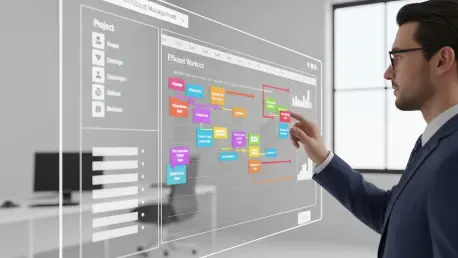
Modern time tracking platforms transcend basic data collection by offering powerful analytics and strategic reporting capabilities that convert raw time logs into sophisticated business intelligence. These systems aggregate vast amounts of data and present it through customizable, interactive dashboards that provide immediate insights into key performance indicators. Stakeholders at all levels can visualize critical metrics suchas project burn rates, which compare budget consumption against progress, and team utilization rates, which highlight the balance between billable and non-billable activities. This instant access to performance data empowers leaders to make informed decisions swiftly.
The reporting functions of these platforms are designed to serve diverse organizational needs, from granular operational oversight to high-level portfolio management. For instance, project managers can monitor the health of individual projects, identifying potential delays or budget overruns before they escalate. Meanwhile, executives can gain a panoramic view of the entire project portfolio, assessing overall profitability, resource allocation efficiency, and alignment with strategic goals. This ability to drill down into specifics or zoom out for a broader perspective ensures that decision-making is data-driven at every echelon of the organization, fostering a culture of accountability and continuous improvement.
The Impact of AI on Workforce Intelligence
The integration of artificial intelligence is fundamentally reshaping time tracking technology, elevating it from a passive recording mechanism to a proactive system for enhancing workforce intelligence. AI algorithms are now being deployed to analyze historical time data, identify complex patterns, and generate predictive insights that were previously unattainable. One of the most significant advancements is in predictive resource planning, where machine learning models forecast project timelines and budget requirements with greater accuracy by learning from the outcomes of past initiatives. This allows organizations to anticipate resource shortages, identify potential risks, and set more realistic deadlines from the outset.
Beyond forecasting, AI is also automating and enriching the data collection process itself. Automated time categorization, for example, uses natural language processing and machine learning to analyze the context of an employee’s work—such as the applications used or documents edited—and automatically assign time entries to the correct project, task, and billing code. This dramatically reduces administrative overhead and improves data consistency. Furthermore, AI-driven platforms can deliver intelligent productivity insights, offering personalized recommendations to individuals on managing their time more effectively or highlighting systemic bottlenecks in team collaboration. This shift toward intelligent automation and guidance marks a new era where time tracking tools actively partner with organizations to optimize performance and strategy.
Strategic Business Applications and Benefits
The practical applications of advanced time tracking software span numerous industries, delivering tangible benefits that enhance profitability and operational effectiveness. In professional services, such as consulting or law firms, accurate time tracking is the bedrock of profitability analysis. By meticulously logging all billable and non-billable hours against specific clients and projects, firms can determine the true cost of service delivery, identify which engagements are most profitable, and adjust their pricing strategies accordingly. This level of financial clarity prevents revenue leakage and ensures that business development efforts are focused on the most lucrative opportunities.
In the software development sector, time tracking data is integral to agile project management and improving operational efficiency. Teams can analyze time spent on different phases of the development lifecycle—from coding and testing to debugging—to refine sprint planning and improve the accuracy of future estimates. For marketing agencies, tracking time across various campaigns and channels provides crucial insights for calculating return on investment and optimizing resource allocation. Moreover, across all sectors, automated time tracking streamlines compliance reporting for government contracts or labor regulations, creating an auditable record that minimizes risk and administrative burden. These diverse use cases demonstrate that when properly implemented, time tracking becomes a cornerstone of sound financial forecasting and operational excellence.
Overcoming Common Implementation Hurdles
Despite the clear advantages of modern time tracking software, organizations frequently encounter significant hurdles during implementation that can undermine its potential. One of the most common challenges is low user adoption, which often stems from a perception of the technology as a surveillance tool rather than a productivity aid. Employees may resist tracking their time if they feel it is a mechanism for micromanagement, leading to inconsistent or inaccurate data entry. Overcoming this market obstacle requires a cultural shift, where leadership communicates the strategic value of time data for improving workload balance, ensuring fair compensation, and driving project success, thereby framing it as a benefit to both the individual and the organization.
On the technical front, seamless integration with an organization’s existing technology stack presents a formidable hurdle. A time tracking system that operates in isolation creates data silos and necessitates cumbersome manual data transfers, defeating its purpose. Effective implementation demands deep integration with project management, accounting, and HR systems to ensure a smooth flow of information. Additionally, regulatory issues surrounding data security and privacy are paramount. Organizations must ensure that their chosen platform complies with standards like GDPR and provides robust security features, including data encryption and granular access controls, to protect sensitive employee and client information. Successfully navigating these technical and regulatory complexities is critical for a secure and effective deployment.
The Future Trajectory of Time Tracking Technology
The trajectory of time tracking technology points toward even deeper integration and greater intelligence, positioning it as an indispensable component of the digital workplace. The future will likely see these tools become fully subsumed within comprehensive work management platforms, where time tracking is not a distinct action but an ambient process that occurs naturally within the flow of work. This deeper integration will provide richer contextual data, linking time not just to projects but also to communication patterns, collaborative efforts, and strategic outcomes, offering a truly holistic view of organizational productivity.
Furthermore, the role of artificial intelligence is set to expand dramatically, moving beyond predictive analytics to prescriptive guidance. Future systems may offer real-time suggestions to employees on how to prioritize tasks to meet deadlines or recommend that managers reallocate resources to prevent impending bottlenecks. The focus will also shift increasingly toward enhancing the employee experience. Instead of simply measuring output, future time tracking technology will aim to provide personalized insights that help individuals understand their own work patterns, identify opportunities for professional growth, and maintain a healthy work-life balance. This evolution will cement its role not just as a tool for management but as a partner in personal and organizational development.
Conclusion: From Data Collection to Strategic Advantage
This review has charted the course of time tracking software from its origins as a simple administrative utility to its current status as a sophisticated business intelligence engine. The technology’s core value is no longer confined to payroll and billing; instead, it lies in its ability to illuminate the intricate relationships between time, resources, and strategic outcomes. Modern platforms achieve this through advanced capabilities such as automated time capture, which ensures data accuracy, and deep integration with workload management systems, which enables proactive resource allocation. These features provide organizations with unprecedented visibility into their operations, transforming abstract goals into measurable actions.
The continued infusion of artificial intelligence is pushing the boundaries of what is possible, introducing predictive forecasting and intelligent automation that shift the paradigm from reactive monitoring to proactive strategic guidance. As these technologies mature, their capacity to deliver nuanced insights into project profitability, operational efficiency, and team well-being will only grow. Ultimately, time tracking software’s greatest impact is its power to convert the fundamental resource of time from a static, passively recorded metric into a dynamic and strategic asset. It equips organizations with the intelligence needed to navigate complex challenges, optimize performance, and secure a decisive competitive advantage in an increasingly data-driven world.