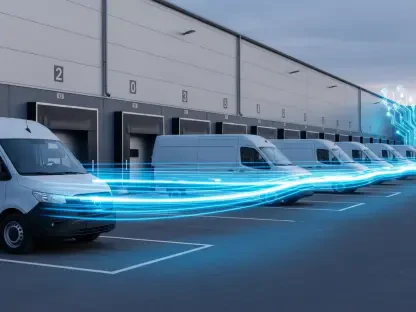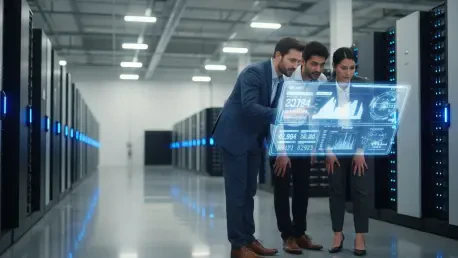

The silent hum of conveyors and the glow of inventory scanners, once symbols of efficiency, now mask a profound vulnerability that threatens to bring the entire logistics sector to a standstill. For decades, warehouse operators viewed electricity as a simple utility—a predictable expense paid to keep the lights on and the forklifts running. That era of certainty has ended. A confluence of infrastructural strain, economic pressures, and technological disruption has transformed the power grid from a reliable partner into a source of significant operational risk. Survival is no longer just about optimizing supply chains; it is about securing an independent, resilient power source directly on-site.
What if the Biggest Threat to Your Warehouse Is Plugged into the Wall
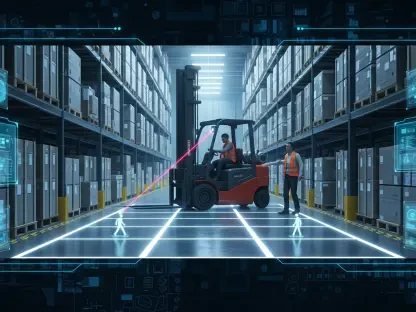
The modern logistics facility is a complex ecosystem of automation, data management, and climate control, all of which are critically dependent on an uninterrupted flow of electricity. A power outage that once meant a few hours of inconvenience can now trigger catastrophic failures in inventory management systems, halt automated picking processes, and compromise temperature-sensitive goods, leading to millions in losses. This dependency has intensified just as the grid’s ability to provide stable power has become increasingly questionable, placing operators in a precarious position where their greatest liability is the very outlet they rely on for existence.
The fundamental relationship between warehousing and energy is being redefined. Operators are now compelled to move beyond the role of passive consumers and become active participants in their energy strategy. The question is no longer whether on-site generation is affordable but whether a business can afford to remain tethered to an aging and overburdened infrastructure. This shift in perspective is crucial, as it reframes the investment in on-site power from an environmental initiative to a core tenet of business continuity and risk management.
A Perfect Storm Is Brewing for the National Grid
The stability of the national grid is facing an unprecedented challenge driven by the explosive growth of artificial intelligence and the data centers required to power it. This has created not just a gradual increase but a “steep surge” in energy demand, placing immense strain on an infrastructure that was already struggling to keep pace. For warehouses, this translates into a higher risk of brownouts, blackouts, and volatile pricing, turning what was once a predictable operational cost into a significant and unpredictable threat to the bottom line.
This infrastructural pressure is compounded by a powerful convergence of economic and regulatory forces that make energy independence a strategic imperative. As governments move toward stricter emissions standards and the costs associated with grid-supplied power continue to rise, the financial case for generating power on-site becomes increasingly compelling. It is a reality where the economics of self-sufficiency are aligning perfectly with the necessity of operational resilience, forcing operators to act.
For those who hesitate, the window of opportunity to gain a competitive advantage is closing rapidly. The “cost of doing nothing” is escalating, manifesting as higher energy bills, greater exposure to supply disruptions, and a loss of competitiveness against rivals who have already secured their energy future. In this environment, delaying the transition to on-site renewable energy is no longer a neutral decision but an active choice that jeopardizes long-term operational stability and financial health.
From Cost Center to Powerhouse the New Role of Warehouses
The business case for sustainability has undergone a fundamental transformation, moving from a peripheral corporate social responsibility goal to a central pillar of financial performance. What was once viewed as an altruistic “green” initiative is now understood as a powerful driver of “black ink” on the balance sheet. By investing in on-site power generation, warehouses not only insulate themselves from grid volatility but also create new revenue streams, reduce operational expenditures, and enhance their brand reputation, turning a traditional cost center into a profit-generating asset.
True energy independence requires a holistic strategy that extends beyond simply installing solar panels. The future of on-site power lies in “decentralized resilience,” a model that integrates various technologies to create a robust and self-sufficient energy ecosystem. This involves combining roof-mounted solar with complementary sources like wind turbines and, most critically, battery storage. The anticipated drop in battery prices is set to be a game-changer, making it economically viable for facilities to store excess energy generated during off-peak hours and deploy it during periods of high demand, thereby achieving true autonomy from the grid.
Navigating this transition involves contending with a complex political landscape characterized by a “push-pull dynamic.” On one hand, the clearing of the grid connection queue by the National Energy System Operator is expected to unleash a wave of renewable construction. On the other, political instability and wavering commitments to net-zero policies create caution among investors. Resilient firms are sidestepping this uncertainty by reframing their investment narrative. They prioritize the immediate, tangible benefits of cost savings and operational security—outcomes that are immune to political shifts—ensuring their strategic decisions remain grounded in sound business logic.
Data Proves Resilient Firms Are Winning the Energy Game
The link between sustainable practices and superior financial performance is no longer theoretical; it is backed by hard data. A recent analysis from B Lab UK revealed a stark contrast in economic success: certified B Corporations achieved an average turnover growth of 20%, while standard SMEs saw growth of just 3%. This significant gap demonstrates that companies integrating sustainability and resilience into their core operations are not just surviving but thriving, outperforming their peers and proving that purpose-driven business is also profitable business.
Expert consensus reinforces the idea that large-footprint warehouses are uniquely positioned to capitalize on this trend. With vast, underutilized roof spaces, these facilities possess an untapped financial asset of immense value. By converting these surfaces into platforms for on-site energy generation, operators can transform a passive structural element into an active source of revenue and resilience. This strategic pivot turns the physical building itself into a key component of the company’s financial and operational strategy, unlocking value that was previously overlooked.
A Strategic Blueprint for On-Site Power Resilience
The first step toward energy independence must be grounded in data, not guesswork. Successful transitions away from grid dependency begin with meticulous, data-backed feasibility studies and comprehensive energy audits. This analytical approach moves beyond trial-and-error, allowing organizations to understand their precise energy consumption patterns, identify inefficiencies, and model the potential returns of various on-site generation technologies. This foundational analysis is critical for de-risking the investment and building a business case that withstands scrutiny.
Armed with clear data, the next phase is to design a custom power solution tailored to the specific needs of the facility. This is not a one-size-fits-all endeavor; it requires identifying the optimal mix of technologies—be it solar, wind, battery storage, or a combination thereof—to meet operational demands and ensure long-term financial viability. A bespoke system ensures that the investment delivers maximum resilience and the fastest possible return, aligning the energy strategy directly with the organization’s overarching business objectives.
Securing internal buy-in for such a significant capital investment requires a strategic reframing of the project’s benefits. While environmental goals are important, the most persuasive argument for stakeholders often centers on tangible, bottom-line impacts. By prioritizing and clearly communicating the advantages of predictable cost savings, enhanced operational resilience, and mitigation of market risk, leaders can build a powerful consensus. This approach shifts the conversation from a sustainability initiative to a crucial investment in the company’s future, aligning all parties behind a common goal of long-term stability and profitability.
The Unavoidable Choice for Modern Logistics
In the end, the debate over on-site energy generation was settled not by environmental policy but by economic reality. The firms that understood this paradigm shift early on secured a decisive competitive advantage, insulating themselves from the volatility that plagued their grid-dependent rivals. They transformed their largest physical assets from passive structures into active contributors to their financial health and operational stability, proving that true resilience was built from the roof down.
For the rest of the industry, the period of indecision proved costly. Those who delayed were left to contend with the dual pressures of soaring energy costs and diminished grid reliability, a stark lesson in the price of inaction. The choice had become simple: embrace energy independence as a core tenet of business or risk being rendered uncompetitive by forces beyond their control.