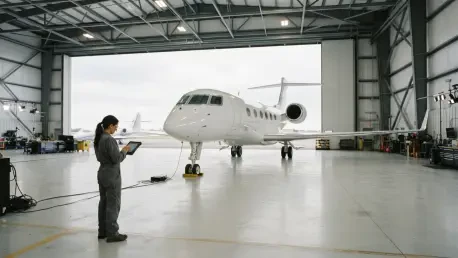

To ensure technical precision and regulatory compliance, the firm is transitioning to digital work cards that allow technicians to document inspections via mobile devices in real-time. This modernization comes as the business aviation sector faces unprecedented pressure to deliver faster turnaround times without sacrificing the artisanal quality that owners expect. While high-level data analytics and digital precision have become the new baseline for operational success, West Star Aviation maintains that the true differentiator lies in a human-centered approach. By harmonizing these digital tools with a deeply personalized service model, the company seeks to redefine what it means to be a maintenance partner in 2026. This strategy is built on the premise that while data drives smarter choices, trust is still built through face-to-face interaction and consistent accountability. The following analysis explores how the organization manages this balance through physical growth and technological integration.
Scaling Operations for Enhanced Predictability
Accelerating Timelines Through Physical Capacity
A central pillar of the current operational strategy involves the aggressive expansion of maintenance facilities to mitigate the industry’s chronic capacity constraints. In Grand Junction, Colorado, a massive infrastructure project is nearing its final stages, with a scheduled completion date set for mid-October 2026. This expansion adds 40,000 square feet of hangar space specifically designed to accommodate long-range business jets, complemented by a 40,000-square-foot back shop and an additional 32,000 square feet of ramp area. This investment is not merely about increasing size; it is a direct response to the reality that downtime is the most critical metric for any aircraft operator. By providing dedicated space for complex inspections and airframe repairs, the facility ensures that projects move through the pipeline without the delays caused by spatial limitations or scheduling bottlenecks. This foresight allows for a more predictable maintenance cycle.
Regional Growth and Infrastructure Reliability
Following the Colorado expansion, the organization is also preparing to launch a new facility in Chattanooga, Tennessee, which is slated to open in February 2027. This development includes 40,000 square feet of hangar space and 15,000 square feet of back shop capacity, aimed at capturing regional demand and providing redundancy across the network. A standout feature of this location is the inclusion of 30,000 square feet of two-story office and customer areas. These dedicated spaces are designed to host on-site professionals who must remain with their aircraft during lengthy service events. By increasing both the technical and administrative capacity, the company provides operators with the assurance that their assets will return to service on a reliable schedule. Such physical investments reflect a commitment to stability in an industry where unexpected delays can lead to cascading operational failures and significant financial losses.
Enhancing Productivity in Supportive Environments
Recognizing that maintenance events often require customers or their representatives to stay on-site for weeks at a time, there is a fundamental shift in how facility design is being approached. Historically, hangar offices were purely transactional, providing little more than a desk and a chair. The new design philosophy moves toward creating supportive environments that function as a mobile office or a home away from home. These spaces are intentionally retrofitted to facilitate high levels of productivity, ensuring that flight department managers and owner representatives do not lose valuable working hours while their aircraft is in the shop. By prioritizing the comfort and professional needs of the individual, the service experience becomes less about enduring a stay and more about maintaining operational continuity. This focus on the human element ensures that the time spent on the ground is as efficient and stress-free as possible for everyone involved.
Prioritizing Comfort During the Service Journey
The physical transformation of these spaces incorporates advanced soundproofing, high-speed connectivity, and ergonomic layouts to meet the specific requirements of aviation professionals. Beyond productivity, the organization has integrated amenities specifically for relaxation and mental recharging, acknowledging the psychological toll of managing complex maintenance projects. These environments provide quiet zones and comfortable lounges that allow representatives to step away from the hangar floor when necessary. By understanding the deeper psychological journey of the customer, the firm aims to alleviate the friction often associated with being away from a home base. This holistic approach to the facility environment suggests that technical excellence and personal comfort are not mutually exclusive but are instead complementary components of a premium service model. It demonstrates a sophisticated understanding that the customer’s time is valuable across all aspects of the visit.
Digital Innovation and Personalized Support
Optimizing Visibility With Integrated Platforms
While physical growth provides the foundation, a significant digital transformation is currently underway to streamline the execution of complex maintenance tasks. At the core of this evolution is a new, fully integrated digital production control system designed to replace antiquated, paper-based workflows. This platform enables a real-time digital environment where every stage of an inspection is logged and tracked with high precision. For the aircraft owner, this translates into unprecedented visibility into the progress of their project. Instead of waiting for daily or weekly status updates, representatives can access live tracking data that shows exactly which tasks are completed and which are pending. This transparency fosters a sense of partnership, as both the service provider and the client are looking at the same set of facts simultaneously. It eliminates the communication gaps that frequently occur in traditional maintenance settings.
Streamlining Compliance and Operational Agility
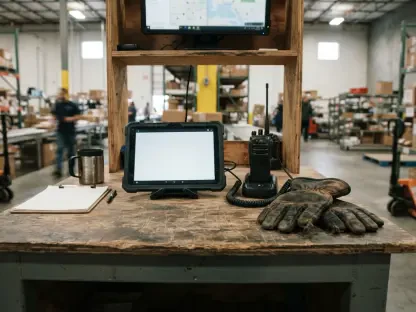
The digital system also enhances operational precision by automating much of the documentation required for regulatory compliance. Technicians and inspectors use mobile devices to sign off on work cards instantly, ensuring that all records are accurate and up to date as the work progresses. This immediate feedback loop allows the management team to identify and address potential hurdles before they become major delays. If a technician discovers an unforeseen issue during an inspection, the system allows for an immediate pivot in the workflow, reallocating resources to keep the project on track. This agility is essential for maintaining the return to service speed that modern flight departments demand. By utilizing technology to remove administrative friction, the organization allows its technical staff to focus on what they do best: high-quality aircraft maintenance. The result is a more efficient, data-driven process that still respects the nuances of manual craft.
Bridging the Gap With Concierge Support
To complement the technological shift, the organization has introduced dedicated Customer Experience Representatives (CXRs) at primary service hubs, including East Alton and Perryville. These professionals serve as a concierge-style bridge between the hangar floor and the customer, providing a single point of contact for all non-technical and logistical needs. While the maintenance technicians focus on the aircraft, the CXR focuses on the person behind the aircraft, ensuring that every detail of the visit is handled with care. This role involves everything from clarifying technical milestones to coordinating local travel and accommodation for visiting crews. By having a dedicated advocate on-site, customers feel more supported and less overwhelmed by the complexities of a major inspection. This personalized approach is a direct response to industry feedback requesting more responsive communication and a more empathetic understanding of the operator’s perspective.
Leveraging Legacy and Active Listening
The integration of CXRs reflects a broader legacy built on active listening and an 80-year history in the aviation sector. Instead of making assumptions about market needs, the company evolves its service offerings based on the lived experiences of aircraft owners. This long-term perspective allows the organization to recognize that while maintenance technology and digital tools will continue to advance, the basic human need for reliability and clear communication remains constant. Trust is earned through these personal interactions, particularly during the moments that matter when unexpected challenges arise. By providing a human face to a data-driven process, the organization ensures that its people are empowered by technology rather than replaced by it. This strategy emphasizes that technical confidence is only one part of the equation; relational trust is the other half that ensures long-term loyalty and satisfaction among the operator community.
Strategic Next Steps for Service Excellence
In conclusion, the organization established a unified vision that combined massive infrastructure growth with sophisticated digital workflows and enhanced human support. By completing the expansion projects in Grand Junction and Chattanooga, the firm successfully mitigated the bottlenecks that previously hindered predictable scheduling. The phased rollout of the digital production control system ensured that technicians maintained the highest levels of accuracy while significantly reducing the administrative burden on flight departments. These initiatives were complemented by the introduction of personalized concierge roles, which bridged the gap between technical precision and emotional reassurance. Moving forward, aircraft operators should prioritize partnerships with facilities that offer this level of integrated transparency. The success of this model suggested that the future of aviation maintenance lies in the seamless synthesis of data and empathy.