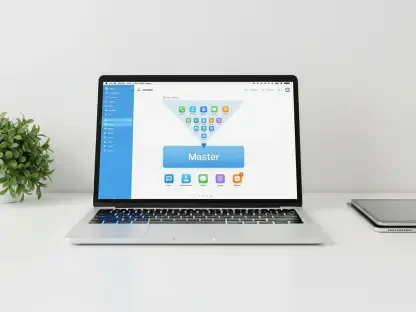

Service delivery teams are frequently navigating a complex environment of overlapping client projects, yet many are still constrained by the limitations of spreadsheets, endless email chains, and a patchwork of disconnected software systems. This fragmentation often leads to critical issues such as missed deadlines, inefficiently allocated resources, and a lack of transparency that leaves clients questioning the status of their projects. Research indicates that the average knowledge worker forfeits more than thirteen hours each week simply switching between applications—valuable time that could be dedicated to delivering exceptional client value instead of searching for project updates. A superior work management software transcends simple project tracking to become the operational command center for the entire team. It centralizes all client work, automates hours of manual coordination, and provides a clear, real-time overview of every project in the portfolio. When teams have immediate access to project health, resource availability, and deliverable status in one consolidated view, they are empowered to make faster, more informed decisions and deliver consistently high-quality results.
1. The Core Pillars of Effective Service Management
The primary driver for adopting a dedicated management platform among service-focused project managers is the urgent need to eliminate work fragmentation and consolidate operations. When client projects, team assignments, and key deliverables are all managed within a single, unified workspace instead of being scattered across disparate systems, project managers gain the comprehensive visibility required for proactive, strategic oversight. This unified approach directly addresses the critical visibility challenges that frequently cause delays and inefficiencies in service delivery. For teams managing the entire client lifecycle, from initial kickoff meetings to final project handoffs, having one central hub is non-negotiable. This eliminates the constant need to jump between different tools to check on progress, balance team workloads, or provide status updates to stakeholders. Everything related to the project lives in one accessible location, fostering a more cohesive and efficient working environment. This scalability is crucial, as the platform must be able to grow alongside the organization, whether it’s supporting a single project manager or an entire enterprise-level Project Management Office (PMO).
Achieving true operational excellence requires more than just centralization; it demands real-time visibility across the entire project portfolio and the strategic use of automation. An effective platform allows managers to track project health, monitor team capacity, and foresee upcoming deadlines through unified dashboards, enabling them to identify potential risks long before they can impact delivery schedules. Furthermore, by setting up automated rules for routine processes such as client approvals, task handoffs, and deadline reminders, teams can redirect their focus from tedious manual updates to more strategic, value-added work. This automation also extends to client interactions, where secure collaboration portals can grant clients controlled access to view progress and approve deliverables directly. This not only enhances transparency but also protects sensitive internal planning documents and the confidentiality of other client projects. The impact of such a system is measurable; for instance, one organization managed to double its project delivery speed by centralizing its workflows, resulting in a 26% gain in efficiency and saving an average of three hours per person every week.
2. Unlocking Efficiency with Purpose-Built Features
A truly great project management tool for service delivery is defined by features that directly address the industry’s unique challenges, from managing multiple client expectations to balancing resource allocation. Centralized project dashboards are fundamental, as they aggregate live data from all active client projects into customized, easy-to-understand visual displays. These dashboards allow managers to see project health, budget consumption, team bandwidth, and upcoming deadlines at a glance, eliminating the time-consuming process of manually compiling reports from various spreadsheets and systems. The real-time nature of these data updates, which refresh automatically as team members complete tasks, ensures that progress reports for clients are always current and internal stakeholders have an accurate, up-to-the-minute view of project statuses. Another critical feature is customizable workflow automation that can be configured without writing a single line of code. Services teams can create rules to handle repetitive tasks like sending notifications for client approvals, managing task handoffs between team members, and issuing deadline reminders, freeing up countless hours each week for more strategic work. This capability is particularly valuable for standardizing processes like client onboarding, review cycles, and project closure, ensuring consistency and quality across all engagements.
Beyond visibility and automation, robust resource management and client collaboration tools are essential for maintaining momentum and delivering high-quality work. An integrated resource and workload view provides a visual representation of each team member’s capacity, allowing managers to see who is overburdened and who has availability for new tasks. This foresight helps prevent employee burnout, enables fair workload distribution, and ensures that deadlines are not jeopardized due to over-allocated resources. This data-driven approach to task assignment is crucial for maintaining service quality while protecting the well-being of the team. Equally important are client collaboration and approval workflows that bring clients directly into the project workspace through secure guest access. This feature allows clients to monitor their project’s progress, provide immediate feedback on deliverables, and formally approve milestones without needing a full user license or gaining access to other clients’ sensitive information. This level of controlled transparency significantly reduces the need for constant status update emails and check-in meetings, streamlining communication and accelerating the feedback loop. With built-in time tracking, teams can also log hours directly on tasks, creating precise records for billing and enabling in-depth profitability analysis to inform future project estimates.
3. Quantifiable Benefits and Strategic Advantages
When service delivery teams successfully transition their work into a unified management platform, they experience immediate and significant improvements in their operational efficiency, and these benefits tend to compound as workflows become more refined over time. One of the most impactful advantages is the time saved by eliminating tool switching. Centralizing all project-related activities and communication can save an individual team member more than thirteen hours per week, time that can be reinvested into strategic planning, innovation, and strengthening client relationships rather than being consumed by administrative tasks. This time savings translates directly into enhanced productivity, as teams can remove the friction from their workflows. For example, organizations have reported a 40% improvement in cross-team collaboration and a 49% increase in the number of deliverables produced after adopting a centralized system. Automation plays a key role here, as it handles the repetitive, low-value tasks, freeing project managers to focus on activities that directly contribute to client success.
The financial and qualitative returns on investment are just as compelling. Strategic resource allocation and the reduction of redundant software licenses drive substantial cost savings, with some organizations reporting direct savings of up to $50,000 per month simply by consolidating their tool stack. Over a three-year period, businesses have achieved a return on investment as high as 346%, a figure derived from eliminating duplicate software costs, minimizing manual labor, and preventing costly project overruns. Furthermore, a unified platform greatly enhances compliance and data accuracy. When the entire team operates from a single source of truth, the time wasted reconciling different spreadsheet versions or resolving conflicting information disappears. Templated processes and automated workflows also reduce the human errors that can frustrate clients and erode trust. With built-in audit trails and granular permission controls, organizations can more easily maintain compliance with client contracts and industry regulations, ensuring that all actions are tracked and data remains secure. This improved coordination and accountability ultimately lead to higher-quality deliverables, as every team member has the context, files, and communication history needed for effective execution.
4. A Step-by-Step Guide to Managing Services Projects
To transition from a state of operational chaos to a streamlined and efficient system, organizations can follow a structured approach to implementing a project management platform tailored for client delivery. The first step is to establish a clear and consistent client project structure. This involves creating dedicated workspaces or folders for each client to keep their projects organized and distinct. Within these structures, it is crucial to configure custom fields to track client-specific information, such as the contract value, key stakeholder contacts, the billing model being used, and any applicable service level agreements. This foundational setup ensures that every new project is initiated with a consistent and comprehensive structure, which simplifies reporting and management across the entire portfolio. The second step is to build out the service delivery workflow by designing project boards that accurately reflect the organization’s actual delivery process, from the initial client onboarding phase all the way through to final project closure. These boards should include columns for tracking the project phase, the status of each deliverable, assigned team members, due dates, and the client approval status, transforming the board into the single source of truth for project execution.
Once the foundational structure is in place, the focus shifts to dynamic management and optimization. The third step is to configure resource allocation by setting up workload views that visualize team capacity across all client projects. This allows managers to assign tasks based on both individual availability and expertise, ensuring a balanced distribution of work that prevents burnout while maintaining a high standard of quality. The platform’s resource management capabilities provide a clear picture of who has the bandwidth to take on new assignments. The fourth step involves automating repetitive processes to reduce manual coordination. This is achieved by creating automation rules for common scenarios, such as automatically notifying clients when a deliverable is ready for their review, progressing a task to the next stage once an approval is received, or sending automatic reminders as deadlines approach. The fifth step is to enable seamless client collaboration by adding clients as guests with controlled permissions to specific project boards, allowing them to view progress and approve milestones without accessing internal planning discussions or other clients’ projects. Finally, the sixth step is to track time and monitor profitability by enabling time tracking on tasks so that team members can log their hours as they work, integrating this data with billing systems, and using dashboards to compare actual hours against initial estimates.
5. Differentiating in a Crowded Marketplace
When services teams evaluate project management software, the decisive factor is not which platform boasts the longest list of features, but rather which one is fundamentally architected to handle the intense pressures of multi-client delivery. Many competing tools are well-suited for single-team or internal project tracking but falter when faced with the complexity of managing a diverse client portfolio. A platform designed as a central command center for services organizations distinguishes itself through deeper resource visibility, more scalable automation, native time tracking capabilities, and finely controlled client collaboration features. Competing platforms often introduce limitations that become significant bottlenecks as a services business grows. These limitations can include highly restrictive guest access policies that hinder client collaboration, add-on pricing models that place core capabilities behind a paywall, or automation caps that are quickly exceeded as client volume increases. These constraints can force teams into inefficient workarounds or require them to purchase additional tools, defeating the purpose of a centralized system.
The contrast becomes even clearer when examining specific functionalities. While many platforms offer some form of visual project planning, a tool optimized for services provides an extensive range of views—such as Gantt, Kanban, and timeline—that can be switched instantly to suit different project methodologies or stakeholder audiences. This flexibility is essential for managing a mix of waterfall, agile, and deadline-driven projects simultaneously. In terms of automation, the advantage lies with no-code builders that offer extensive pre-built recipes and integrations, allowing non-technical users to design complex workflows without requiring developer support. Furthermore, while most tools offer some level of collaboration, a services-focused platform is designed to facilitate communication between both technical and non-technical teams and, most importantly, with external clients in a secure manner. The time-to-value is another critical differentiator; a system with an intuitive interface and a typical implementation time of just two to four weeks allows teams to become productive quickly, whereas more complex, enterprise-focused systems can require a lengthy setup period of three to six months before delivering tangible benefits.
6. Real-World Transformation in Project Delivery
A compelling real-world case study from the gaming industry demonstrates how a Project Management Office achieved significant, measurable improvements by consolidating its entire project management function into a unified platform. The PMO department at Playtech was tasked with managing a vast number of client projects using a disconnected array of tools, including spreadsheets, email, and physical notepads. As the gaming industry underwent rapid transformation, clients began demanding more frequent progress updates and faster results, and the existing system could not keep pace. The key operational issues were severe: visibility gaps made it impossible to track preliminary project discussions, resource conflicts arose as teams were often booked for undefined projects, crucial decision-making processes lacked proper documentation, and the overall status of projects remained ambiguous and inconsistent across different stakeholder groups. This lack of a centralized system created bottlenecks, hindered proactive management, and put client relationships at risk.
To address these challenges, Playtech implemented a comprehensive work management platform to operationalize its established methodology within a single, integrated environment. The solution involved creating separate boards for the project initiation phase and for active projects, a simple yet effective change that prevented the premature booking of resources before a project was fully defined and approved. The implementation was characterized by several key highlights: connected workflows were established, linking management approval boards directly to project budgeting boards for seamless transitions; automated calculations using formula columns were set up to determine baseline and estimated costs automatically; and custom templates were created to allow for the quick duplication and adjustment of project structures for each new client engagement. This new system also facilitated real-time collaboration with external stakeholders directly within the platform. The results of this transformation were remarkable and quantifiable. The PMO department achieved a 26% improvement in overall efficiency, a 49% enhancement in collaboration and stakeholder transparency, and a 23% improvement in meeting its established Key Performance Indicators (KPIs). Furthermore, the streamlined processes saved an average of three hours per person each week, and a direct integration with Jira provided real-time visibility into the progress of technical teams, allowing for proactive management and preventing bottlenecks.
A Strategic Imperative for Future-Ready Services
The evidence presented demonstrated that consolidating project management into a unified platform yielded measurable and transformative results for services organizations across various industries. It was shown that such a strategic shift delivered significant time savings, reduced operational costs, and markedly improved client satisfaction by eliminating the inefficiencies of tool fragmentation. The discussion highlighted that features designed specifically for the complexities of service delivery—from controlled client collaboration portals to sophisticated resource management dashboards—empowered teams to shift their focus from administrative coordination to high-value, strategic work. Organizations that adopted this approach were better equipped to scale their delivery capabilities while consistently maintaining high standards of quality. For any services organization looking to thrive in an increasingly competitive landscape, embracing a unified project management system was no longer just an option for improvement but a fundamental component of a successful, future-ready operational strategy.