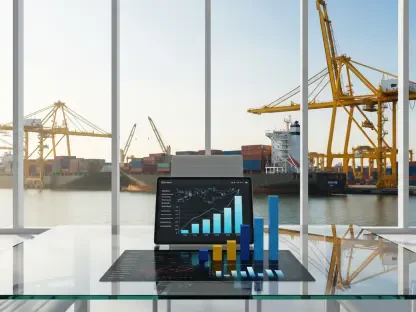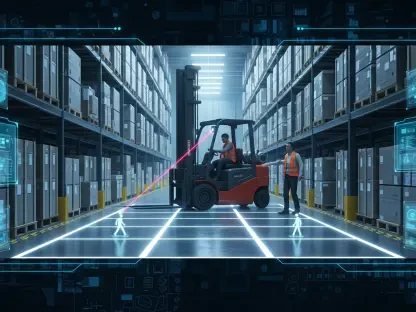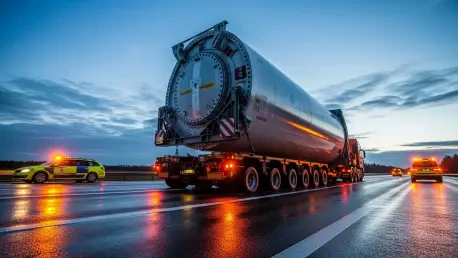

The successful completion of a multibillion-dollar energy project, the timely erection of a city-defining skyscraper, or the efficient expansion of a manufacturing plant often depends on the flawless execution of a discipline that operates far from the spotlight. Heavy equipment logistics is the intricate art and science of moving massive, high-value assets, a strategic function where precision and foresight are paramount. For the industries that build our world—construction, energy, and manufacturing—logistics is not a secondary concern but a critical determinant of success or failure. The stakes are immense; a single miscalculation can trigger a cascade of consequences, derailing project timelines, causing budgets to spiral out of control, and inflicting lasting damage on a company’s reputation.
Understanding this field requires a shift in perspective, moving beyond the simple concept of getting an object from one location to another. Modern heavy equipment logistics is built upon a foundation of three essential pillars: advanced, data-driven planning; an unwavering mastery of complex regulations; and the seamless integration of multiple transport modes. These components work in concert to form a comprehensive strategy for managing risk and ensuring that irreplaceable assets arrive safely, on time, and within budget. This is not mere transportation; it is a sophisticated operational discipline that underpins the feasibility of ambitious industrial endeavors.
Setting the Stage: Beyond Point A to Point B
In the world of logistics, there is a fundamental distinction between standard freight and heavy equipment transport. The former operates on established networks with predictable cargo, while the latter ventures into a realm of unique challenges defined by immense scale and complexity. Applying a standard freight approach to oversized and overweight cargo is not just inadequate; it is dangerously negligent. A generic strategy fails to account for the unique structural stresses, specialized handling requirements, and public safety considerations inherent in moving assets that can weigh hundreds of tons and occupy multiple lanes of a highway.
The consequences of such a failure extend far beyond a missed delivery window. Improperly secured machinery can be damaged in transit, rendering a multimillion-dollar asset useless. An unplanned encounter with a low-clearance bridge or a road with an insufficient weight rating can cause catastrophic damage to public infrastructure, leading to massive liability and public outcry. For the project itself, these logistical failures translate directly into crippling delays, forcing entire construction crews to stand idle while costs mount. In contrast, a specialized approach transforms these risks into managed variables. It prioritizes safety above all else, implements rigorous planning to achieve significant cost savings, and streamlines operations to ensure that every project milestone is met with predictable efficiency.
The High-Stakes Equation: Why Best Practices Are Non-Negotiable
A sophisticated heavy equipment logistics strategy is not a monolithic process but a dynamic system built on three interconnected pillars. These core components—proactive planning, regulatory mastery, and multimodal integration—provide the framework for navigating the immense complexities of moving high-value industrial assets. They are not independent functions but are deeply interwoven, each one reinforcing the others to create a resilient and efficient operational plan.
By breaking down the challenge into these distinct yet complementary areas, logistics experts can systematically mitigate risk at every stage of the journey. This structured approach ensures that no detail is overlooked, from the initial route analysis to the final on-site delivery. The successful synergy of these pillars is what separates a mere transportation service from a true strategic logistics partner, capable of safeguarding assets and ensuring the successful execution of high-stakes projects.
Pillar 1: Proactive Planning and Advanced Route Engineering
The foundation of any successful heavy equipment move is meticulous, data-driven route planning. This process begins long before an engine is started and involves a comprehensive analysis of every mile the cargo will travel. Key to this is obstacle mapping, a detailed assessment of the entire route for potential physical impediments. Planners scrutinize bridge clearances, analyze road grades, confirm weight limits for every overpass and culvert, and account for tight turns or urban congestion that could halt a convoy. This proactive identification of constraints prevents costly and dangerous surprises during transit.
This foundational analysis is enhanced by predictive risk modeling, which uses data to anticipate non-physical hurdles. Sophisticated models can forecast the impact of adverse weather conditions, predict traffic congestion patterns, and flag potential regulatory checkpoints that could cause delays. Technology is the engine that powers this advanced planning. Dynamic GPS and modern fleet management software provide real-time data on road conditions, allowing for immediate adjustments to the plan. Furthermore, digital workflow platforms streamline documentation, dispatching, and compliance tracking, creating a transparent and highly efficient system that minimizes human error and maximizes reliability.
Case in Point: Navigating Obstacles with Data-Driven Planning
Consider the transport of a massive industrial turbine destined for a new power plant. The primary route appeared to be the most direct, but advanced route analysis software flagged a potential issue: a low-clearance bridge that was not accurately marked in public databases. Simultaneously, real-time traffic data revealed a last-minute road closure due to emergency construction just a few miles from the destination. Without this data-driven foresight, the convoy would have faced an impossible situation, resulting in a days-long delay, rerouting fees, and potential damage to either the turbine or the bridge. Instead, the logistics team used the intelligence to engineer a viable secondary route, seamlessly navigating around both obstacles and delivering the turbine on schedule, thereby preventing a costly project shutdown.
Pillar 2: Mastering the Complex Web of Regulations and Permitting
Transporting heavy equipment is as much a legal challenge as it is a physical one. Success hinges on the ability to navigate a complex and often fragmented web of local, state, and federal transport regulations. Each jurisdiction has its own set of rules governing oversized and overweight loads, creating a compliance minefield for any cross-country or even cross-county move. These regulations are not suggestions; they are strict legal requirements designed to protect public safety and infrastructure.
The permitting process is central to this regulatory mastery. Different types of permits are required based on the cargo’s specific dimensions and weight, including overweight, oversize, and, for the most extreme loads, superload permits. A superload, for example, may require a certified engineering study of the route and mandatory law enforcement escorts. Compounding the complexity, permit requirements, travel time restrictions, and insurance mandates can vary significantly from one state to the next. Securing every necessary permit and ensuring full compliance before the transport begins is non-negotiable. Failure to do so can result in crippling fines, immediate shutdowns by authorities, and significant legal liability.
Case in Point: Ensuring Compliance for a Cross-Country Superload
A logistics provider was tasked with moving a large-scale excavator from a factory in the Midwest to a mining site on the West Coast, a journey spanning multiple states. Each state had different permit application processes, axle weight limits, and rules regarding nighttime travel. The provider’s compliance team worked for weeks in advance, successfully coordinating with each state’s Department of Transportation to secure the correct permits. They arranged for certified pilot cars and, where required by law, state police escorts to accompany the convoy. By meticulously managing the varied travel time restrictions—for instance, avoiding morning rush hour in one state and halting movement during holiday periods in another—they ensured a seamless and legally compliant journey, preventing any costly delays or regulatory infractions.
Pillar 3: Optimizing Efficiency with Multimodal Integration
For the largest and most complex logistical challenges, relying on a single mode of transport is often impractical and inefficient. Multimodal integration—the strategic combination of road, rail, and marine transport—offers a flexible and powerful solution to overcome geographic and infrastructural barriers. This approach leverages the unique strengths of each mode to create the most optimized path for the cargo, transforming seemingly impossible moves into well-executed plans.
The strategy lies in using each mode for what it does best. Specialized trucking provides unparalleled flexibility for “first-mile” pickup from a factory and “last-mile” delivery to a remote job site. For the long-haul portion of the journey, rail offers a highly efficient and cost-effective solution for moving heavy loads over great distances. For the absolute largest and heaviest cargo, such as massive industrial vessels or prefabricated building sections, barges and marine transport provide a vital pathway that bypasses road-based limitations entirely. This integrated approach not only helps circumvent infrastructure bottlenecks like low bridges or congested highways but also reduces strain on public roads and can significantly lower overall project expenses.
Case in Point: A Seamless Multimodal Journey for a Massive Generator
Moving a massive power generator from an inland manufacturing facility to a remote coastal power plant presented a significant logistical puzzle. The generator was too heavy for many of the bridges on a direct road route. The solution was a carefully orchestrated multimodal journey. First, a specialized heavy-haul truck transported the generator to the nearest railhead. From there, it traveled by rail for over a thousand miles, the most efficient portion of the trip. Upon reaching a coastal port, the generator was carefully transferred to a barge, which navigated the final leg of the journey through coastal waterways to a specially prepared dock at the power plant. This seamless integration of truck, train, and barge delivered the asset safely and more cost-effectively than any single-mode solution could have.
Conclusion: From Transporter to Strategic Partner
It became clear that heavy equipment logistics was far more than a simple act of transportation; it was a complex, strategic function that served as the backbone for high-stakes industrial projects. Its success was not a matter of chance but the direct result of a disciplined and integrated approach. The excellence demonstrated in this field depended on the seamless fusion of meticulous planning, deep regulatory expertise, and intelligent multimodal solutions.
For companies operating in the construction, energy, and manufacturing sectors, the takeaway was definitive. The selection of a logistics provider should be viewed not as a procurement decision but as the formation of a critical partnership. The most valuable partners were those who moved beyond providing a service to offer comprehensive risk management, technological sophistication, and a strategic vision that aligned with the project’s ultimate success. They did not just move equipment; they moved projects forward.