
Work Management vs. Project Management: Which Do You Need?

Work Management vs. Project Management: Which Do You Need?

Introduction

The persistent overlap between managing daily operations and executing specific, temporary initiatives often creates a significant blind spot for organizations striving for peak efficiency and strategic alignment. Many businesses find themselves caught between these two worlds, applying principles from one to the other with mixed results, which leads to confusion and inefficiency. Understanding the fundamental differences and the synergistic relationship between work management and project management is no longer just an academic exercise; it is a critical step toward unlocking an organization’s full potential. This article serves as a comprehensive guide to navigating this complex landscape.

The primary objective is to answer the most pressing questions surrounding these two essential disciplines. By demystifying their core concepts, a clear path emerges for leaders and teams to make informed decisions about their operational strategies. Readers can expect to gain a solid understanding of each approach, explore their key distinctions, and learn how modern software solutions can be leveraged to implement them effectively, ultimately determining which framework, or combination of frameworks, is right for their unique business needs.

Key Questions and Topics

What Exactly Is Work Management?

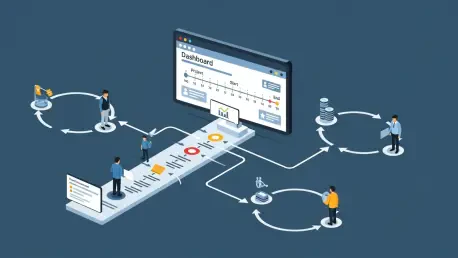
Work management is best understood as a holistic and strategic system for overseeing the entire spectrum of an organization’s activities. It involves the systematic planning, execution, and monitoring of virtually any task, workflow, or ongoing process that contributes to the company’s broader objectives. This discipline is not confined to temporary endeavors but encompasses everything from short-term goals, like redesigning a marketing campaign, to long-term ambitions, such as entering a new global market. Its ultimate function is to create a collaborative environment where teams can achieve shared goals with greater speed and clarity.

This comprehensive approach governs several core components that are vital to operational health and productivity. These include the coordination of tasks across different departments, the strategic allocation of resources like personnel and budget across all ongoing work, the meticulous tracking of time to gauge efficiency, and the management of deliverables and their interdependencies. For instance, the annual performance review cycle within a human resources department is a quintessential work management activity. It is a recurring, operational process involving intricate collaboration between HR, managers, and employees, demonstrating how work management governs the continuous, operational heartbeat of a business.

How Does Project Management Differ?

In contrast to the broad scope of work management, project management is a highly specialized discipline that functions as a focused component within that larger ecosystem. Its domain is strictly the planning, execution, and completion of specific, individual projects. The defining feature of any project is its temporary nature; it is bound by a clear start date and a predetermined end date. Furthermore, every project is designed to produce a unique and well-defined outcome, whether that is a new software product, a targeted service, or a large-scale corporate event.

The project management process is typically structured around a traditional life cycle that provides a clear roadmap from conception to completion. This journey begins with initiation, where goals are set and the team is formed. It then moves into a detailed planning phase to outline timelines, define tasks, and assign resources. The implementation phase is where the plan is put into action and progress is actively monitored. Finally, the closing stage involves reviewing results, delivering the final product, and completing all administrative tasks to formally conclude the initiative. A perfect example is a development team building a new application; the entire effort is a self-contained project with a specific deadline, a set budget, and a singular goal of bringing the product to market.

What Are the Core Distinctions?

The fundamental differences between these two disciplines become clear when their core attributes are compared side-by-side. The most significant distinction lies in their focus. Project management adopts a narrow, microscopic view, concentrating entirely on the life cycle of one specific project and its unique deliverables. Conversely, work management takes a panoramic, macroscopic perspective, encompassing not only individual projects but also all the routine tasks, daily responsibilities, and ongoing operational processes that keep the organization running smoothly.

This difference in focus naturally leads to disparities in timeframe and resource allocation. Projects are inherently finite, operating within a fixed schedule. Work management, however, is often applied to continuous, open-ended processes that lack a defined endpoint. Consequently, a project manager allocates resources specifically to meet the demands of a single project, whereas a work management approach involves strategically balancing those same resources across a multitude of business activities, ongoing operations, and concurrent projects to optimize overall organizational capacity and efficiency.

Finally, the two approaches differ in their structure and collaborative dynamics. Project management is typically overseen by a designated project manager who is singularly responsible for its success. The structure of work management is often more decentralized, involving multiple stakeholders from different departments who collaborate on cross-functional processes. This means that while collaboration in a project is centered on achieving specific, short-term objectives and often concludes with the project, work management fosters a culture of continuous collaboration and relationship-building that is integral to the organization’s long-term operational fabric.

Why Is Work Management Software Beneficial?

Implementing a comprehensive work management strategy is greatly enhanced by specialized software, which acts as a central nervous system for the entire organization. These platforms streamline all workflows by consolidating crucial information, communication, and tasks into a single, accessible hub. A primary advantage is the significant reduction of “context switching”—the inefficient practice of toggling between different applications and tasks—which can drain up to 40% of an employee’s productive time. By unifying the digital workspace, this software provides a clear, transparent view of all cross-functional processes.

This level of visibility allows leaders to quickly identify operational bottlenecks and reallocate resources effectively to resolve them before they escalate. Moreover, work management software often includes features for automating the intake and processing of requests and approvals, eliminating cumbersome manual workflows. It also empowers leaders to map out strategic goals, monitor progress in real-time, and ensure that all initiatives remain on budget while maintaining manageable workloads for team members. Ultimately, by providing such clarity, the software helps identify and eliminate redundant processes that do not contribute to strategic objectives, thereby reducing operational waste and cutting costs.

How Does Project Management Software Help?

Given that research from institutions like the Standish Group indicates that only a minority of projects are truly successful, the value of dedicated project management software becomes undeniable. These tools are designed to mitigate the inherent risks of complex, time-bound initiatives and provide the structure necessary for success. One of their most critical functions is to create a centralized communication repository. All project-related notes, documents, and status updates are stored in one place, which prevents information silos and ensures team members can collaborate seamlessly.

Furthermore, this software excels at detailed task tracking. It allows managers to break down large projects into smaller, manageable tasks, assign them to specific team members, and clearly define dependencies between them. This clarifies accountability and ensures everyone understands how their work contributes to the bigger picture. The enhanced visibility offered by these platforms provides real-time insights into project progress, resource utilization, and budget adherence, enabling proactive management and control. By facilitating the setting of important milestones and deadlines, project management software is instrumental in keeping an initiative on schedule and ensuring it is completed on time.

Can a Single Solution Handle Both?

The evolution of workplace technology has led to the development of powerful, unified platforms designed to bridge the gap between project-specific needs and broader operational requirements. An integrated solution, often described as a Work Operating System (Work OS), can effectively handle both the focused demands of project management and the holistic scope of work management. This type of platform is ideal for any business seeking to boost efficiency and maintain clear visibility across all workstreams, from one-off projects to recurring daily tasks. These systems are built to support the entire work lifecycle, from high-level strategy and execution to team collaboration and performance monitoring.Fixed version:

Introduction

The persistent overlap between managing daily operations and executing specific, temporary initiatives often creates a significant blind spot for organizations striving for peak efficiency and strategic alignment. Many businesses find themselves caught between these two worlds, applying principles from one to the other with mixed results, which leads to confusion and inefficiency. Understanding the fundamental differences and the synergistic relationship between work management and project management is no longer just an academic exercise; it is a critical step toward unlocking an organization’s full potential. This article serves as a comprehensive guide to navigating this complex landscape.

The primary objective is to answer the most pressing questions surrounding these two essential disciplines. By demystifying their core concepts, a clear path emerges for leaders and teams to make informed decisions about their operational strategies. Readers can expect to gain a solid understanding of each approach, explore their key distinctions, and learn how modern software solutions can be leveraged to implement them effectively, ultimately determining which framework, or combination of frameworks, is right for their unique business needs.

Key Questions and Topics

What Exactly Is Work Management?

Work management is best understood as a holistic and strategic system for overseeing the entire spectrum of an organization’s activities. It involves the systematic planning, execution, and monitoring of virtually any task, workflow, or ongoing process that contributes to the company’s broader objectives. This discipline is not confined to temporary endeavors but encompasses everything from short-term goals, like redesigning a marketing campaign, to long-term ambitions, such as entering a new global market. Its ultimate function is to create a collaborative environment where teams can achieve shared goals with greater speed and clarity.

This comprehensive approach governs several core components that are vital to operational health and productivity. These include the coordination of tasks across different departments, the strategic allocation of resources like personnel and budget across all ongoing work, the meticulous tracking of time to gauge efficiency, and the management of deliverables and their interdependencies. For instance, the annual performance review cycle within a human resources department is a quintessential work management activity. It is a recurring, operational process involving intricate collaboration between HR, managers, and employees, demonstrating how work management governs the continuous, operational heartbeat of a business.

How Does Project Management Differ?

In contrast to the broad scope of work management, project management is a highly specialized discipline that functions as a focused component within that larger ecosystem. Its domain is strictly the planning, execution, and completion of specific, individual projects. The defining feature of any project is its temporary nature; it is bound by a clear start date and a predetermined end date. Furthermore, every project is designed to produce a unique and well-defined outcome, whether that is a new software product, a targeted service, or a large-scale corporate event.

The project management process is typically structured around a traditional life cycle that provides a clear roadmap from conception to completion. This journey begins with initiation, where goals are set and the team is formed. It then moves into a detailed planning phase to outline timelines, define tasks, and assign resources. The implementation phase is where the plan is put into action and progress is actively monitored. Finally, the closing stage involves reviewing results, delivering the final product, and completing all administrative tasks to formally conclude the initiative. A perfect example is a development team building a new application; the entire effort is a self-contained project with a specific deadline, a set budget, and a singular goal of bringing the product to market.

What Are the Core Distinctions?

The fundamental differences between these two disciplines become clear when their core attributes are compared side-by-side. The most significant distinction lies in their focus. Project management adopts a narrow, microscopic view, concentrating entirely on the life cycle of one specific project and its unique deliverables. Conversely, work management takes a panoramic, macroscopic perspective, encompassing not only individual projects but also all the routine tasks, daily responsibilities, and ongoing operational processes that keep the organization running smoothly.

This difference in focus naturally leads to disparities in timeframe and resource allocation. Projects are inherently finite, operating within a fixed schedule. Work management, however, is often applied to continuous, open-ended processes that lack a defined endpoint. Consequently, a project manager allocates resources specifically to meet the demands of a single project, whereas a work management approach involves strategically balancing those same resources across a multitude of business activities, ongoing operations, and concurrent projects to optimize overall organizational capacity and efficiency.

Finally, the two approaches differ in their structure and collaborative dynamics. Project management is typically overseen by a designated project manager who is singularly responsible for its success. The structure of work management is often more decentralized, involving multiple stakeholders from different departments who collaborate on cross-functional processes. This means that while collaboration in a project is centered on achieving specific, short-term objectives and often concludes with the project, work management fosters a culture of continuous collaboration and relationship-building that is integral to the organization’s long-term operational fabric.

Why Is Work Management Software Beneficial?

Implementing a comprehensive work management strategy is greatly enhanced by specialized software, which acts as a central nervous system for the entire organization. These platforms streamline all workflows by consolidating crucial information, communication, and tasks into a single, accessible hub. A primary advantage is the significant reduction of “context switching”—the inefficient practice of toggling between different applications and tasks—which can drain up to 40% of an employee’s productive time. By unifying the digital workspace, this software provides a clear, transparent view of all cross-functional processes.

This level of visibility allows leaders to quickly identify operational bottlenecks and reallocate resources effectively to resolve them before they escalate. Moreover, work management software often includes features for automating the intake and processing of requests and approvals, eliminating cumbersome manual workflows. It also empowers leaders to map out strategic goals, monitor progress in real-time, and ensure that all initiatives remain on budget while maintaining manageable workloads for team members. Ultimately, by providing such clarity, the software helps identify and eliminate redundant processes that do not contribute to strategic objectives, thereby reducing operational waste and cutting costs.

How Does Project Management Software Help?

Given that research from institutions like the Standish Group indicates that only a minority of projects are truly successful, the value of dedicated project management software becomes undeniable. These tools are designed to mitigate the inherent risks of complex, time-bound initiatives and provide the structure necessary for success. One of their most critical functions is to create a centralized communication repository. All project-related notes, documents, and status updates are stored in one place, which prevents information silos and ensures team members can collaborate seamlessly.

Furthermore, this software excels at detailed task tracking. It allows managers to break down large projects into smaller, manageable tasks, assign them to specific team members, and clearly define dependencies between them. This clarifies accountability and ensures everyone understands how their work contributes to the bigger picture. The enhanced visibility offered by these platforms provides real-time insights into project progress, resource utilization, and budget adherence, enabling proactive management and control. By facilitating the setting of important milestones and deadlines, project management software is instrumental in keeping an initiative on schedule and ensuring it is completed on time.

Can a Single Solution Handle Both?

The evolution of workplace technology has led to the development of powerful, unified platforms designed to bridge the gap between project-specific needs and broader operational requirements. An integrated solution, often described as a Work Operating System (Work OS), can effectively handle both the focused demands of project management and the holistic scope of work management. This type of platform is ideal for any business seeking to boost efficiency and maintain clear visibility across all workstreams, from one-off projects to recurring daily tasks. These systems are built to support the entire work lifecycle, from high-level strategy and execution to team collaboration and performance monitoring.

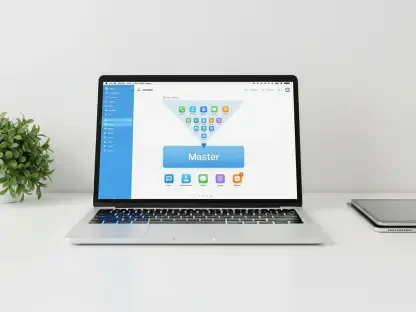
These integrated platforms offer a suite of powerful features. Customizable dashboards provide a high-level, real-time overview of budgets, goals, and schedules, while a variety of dynamic views, such as Gantt and Kanban charts, allow teams to visualize and manage work in the most effective way. Features like integrated time tracking help teams plan resources more accurately, while customizable forms streamline the intake of requests from various stakeholders. With no-code building blocks and automation capabilities, teams can design bespoke workflows and eliminate manual processes, freeing up valuable time. Seamless integrations with essential business tools further centralize information, creating a single source of truth for all work.

Summary

The exploration of work and project management revealed two distinct yet interconnected disciplines crucial for organizational success. Work management was identified as the comprehensive, strategic framework governing all of an organization’s tasks, processes, and ongoing operations. It represented the holistic view required to align daily activities with long-term business goals, exemplified by continuous processes like annual performance reviews. This broad approach was shown to be essential for maintaining operational efficiency and fostering a culture of continuous collaboration across an entire enterprise.

In contrast, project management was defined as a specialized subset, a focused methodology for guiding temporary initiatives with specific start and end dates to a unique outcome. Its structured life cycle and clear objectives, as seen in a software launch, highlighted its importance in delivering complex, one-time results on schedule and within budget. The analysis of their key differences—in focus, timeframe, resource allocation, structure, and collaboration—solidified the understanding that while project management is a critical tool, it operates within the larger, more encompassing system of work management.

Final Thoughts

Ultimately, the choice between adopting a work management or a project management approach was shown to be a false dichotomy. The most resilient and successful organizations recognize that they need both. Excelling at project management ensures that critical initiatives are completed successfully, while a robust work management system ensures that the entire organization moves forward in a coordinated and efficient manner. The key takeaway was that these two disciplines are not in opposition but are complementary forces. True operational excellence is achieved when a business masterfully integrates the targeted precision of project management into the strategic, all-encompassing framework of work management, using modern, unified software to bring clarity and alignment to every facet of its operations.

Subscribe to our weekly news digest.

Join now and become a part of our fast-growing community.

Invalid Email Address
Thanks for Subscribing!
We'll be sending you our best soon!
Something went wrong, please try again later