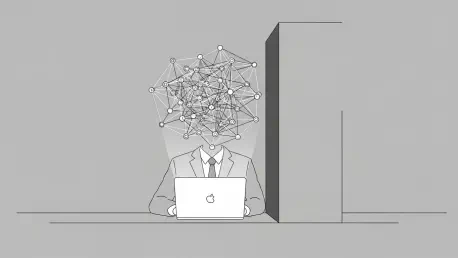

The seamless integration of generative artificial intelligence into the delicate machinery of professional legal defense has finally struck a rigid and unforgiving judicial boundary. As professionals across various sectors increasingly rely on sophisticated language models to synthesize complex data and draft strategic outlines, a landmark federal court ruling has shattered the assumption that these digital interactions carry any form of legal immunity. This decision clarifies that despite the advanced reasoning capabilities of modern systems like ChatGPT and Claude, the American judiciary remains unwilling to extend the shield of attorney-client privilege to non-human entities. By establishing this clear precedent, the court has signaled a definitive end to the period of legal ambiguity surrounding the use of artificial intelligence in sensitive matters, marking the first time a judge has formally ruled that a machine is fundamentally incapable of entering into a privileged relationship under current statutory frameworks. This ruling serves as a stark reminder that while technology evolves at a breakneck pace, the legal principles governing confidentiality remain firmly anchored in human accountability and the unique professional standards required for those practicing in the court of law.
The Catalyst: A High-Stakes Fraud Investigation
Uncovering Digital Evidence in the Heppner Case
The legal controversy surrounding these technological boundaries originated with the high-profile criminal prosecution of Bradley Heppner, the former chief executive of GWG Holdings. Heppner found himself at the center of a federal investigation involving significant allegations of securities fraud, a case that demanded an exhaustive and intricate defense strategy. In an attempt to streamline the preparation for his complex legal battle, Heppner turned to a highly advanced AI assistant to help him draft a comprehensive roadmap for his defense. This interaction was not merely a casual query but involved a series of detailed prompts that outlined specific strategies and internal perspectives regarding the allegations. Heppner appeared to believe that using a private digital interface provided a safe harbor for brainstorming, unaware that the data being generated would eventually serve as a primary focus for federal investigators. This reliance on a machine for sensitive strategic work created a digital trail that would soon bridge the gap between private defense preparation and public evidence.
When federal agents executed a search warrant at Heppner’s residence, the investigative team discovered a trove of digital documents that contained his specific prompts and the subsequent legal suggestions provided by the AI. These files offered an unprecedented look into the defendant’s thought processes and the potential directions of his legal defense strategy. Heppner’s legal team immediately moved to suppress this evidence, arguing that the documents should be shielded under the well-established doctrines of attorney-client privilege or the work-product doctrine. They contended that the AI was essentially acting as a surrogate for legal counsel, facilitating the same type of confidential preparation that would normally occur between a lawyer and their client. However, the court found this argument lacking in legal merit, emphasizing that the protections afforded to legal professionals do not automatically transfer to automated software tools simply because they are capable of performing tasks that resemble legal work or complex analysis.
Professional Standards and Contractual Realities
Judge Jed S. Rakoff’s ruling emphasized that attorney-client privilege is a unique protection reserved strictly for human interactions within the licensed legal bar. Since software lacks a professional license, ethical obligations, and the ability to be admitted to the bar, it cannot facilitate a confidential bond recognized by the courts. The judge maintained that the essence of privilege is rooted in a trusting human relationship that a machine simply cannot replicate or replace. Furthermore, a human lawyer is bound by strict codes of conduct and can face disbarment for breaching confidentiality, whereas a software program faces no such personal or professional repercussions. This lack of a regulatory safety net for AI users means that the court cannot justify granting the same level of protection that it does to a regulated professional relationship. By refusing to recognize the AI as a legal entity, the court has effectively placed the burden of maintaining confidentiality back onto the human users.
The court also pointed to the fine print found in most AI service agreements, where companies like Anthropic explicitly state they may monitor or share user data for legal compliance. By clicking “agree” to these terms, users effectively waive any reasonable expectation of privacy, making their chat logs fair game for investigators. Additionally, because Heppner used the AI independently rather than under a lawyer’s specific direction, he could not successfully argue that the tool was a protected agent of his legal team. The ruling suggests that had the lawyers themselves integrated the AI into their internal systems or used it under specific professional protocols, the outcome might have been different regarding the work-product doctrine. But as an independent user of a public commercial platform, Heppner was unable to bridge the gap between a personal tool and a protected legal resource, leaving his strategic notes fully exposed to discovery and use by the prosecution during the subsequent trial phase.
Future Legal Trends and Corporate Risks
The Shift in Modern Digital Discovery
This ruling signals a transformative shift in how prosecutors and plaintiffs approach digital discovery in the age of generative technology. Experts warn that we have entered a new era of investigation where AI logs provide a direct window into a defendant’s state of mind and underlying strategy. For corporate leaders, the temptation to use “Shadow AI” for high-stakes legal tasks has now become a liability that could lead to accidental self-incrimination during a trial. Prosecutors are now expected to approach AI logs with the same vigor they previously reserved for emails and internal memos, viewing these chat histories as a primary source of evidence. This development forces a reevaluation of how automated tools are handled within corporations, as employees might inadvertently create a trail of self-incriminating data while attempting to solve complex problems or draft internal strategies that were never meant to be disclosed in a public courtroom setting or during discovery.
As organizations continue to integrate these tools into their daily operations, the risk of creating a permanent, discoverable record of sensitive deliberations becomes a significant concern. The judicial emphasis on the lack of fiduciary duty for AI developers highlights a fundamental gap between technology and the law. Without this duty, the foundation for a privileged communication simply does not exist. As a result, users must recognize that their interactions with generative models are closer to interactions with a public resource than with a private advisor, necessitating a significant shift in how sensitive information is handled. This shift in modern digital discovery also means that litigation support teams must now develop new protocols for identifying and preserving AI-generated content. For corporate leaders, the use of generative models for high-stakes tasks has now been tempered by the reality that these interactions could become a liability, leading to accidental disclosures that could compromise an entire company’s legal position.
Strategic Recommendations for Secure Workflows
The conclusion of the Heppner proceedings established a clear set of actionable steps for professionals seeking to protect their strategic deliberations. It confirmed that the only guaranteed method for ensuring a defense remained private was to maintain the human-to-human relationship between the client and a licensed attorney. Companies that adjusted their internal protocols to mandate human-led verification for all sensitive drafts successfully avoided the disclosure risks associated with automated tools. Legal teams began to treat AI solely as a tool for initial research rather than a repository for defense strategies, ensuring that all high-stakes deliberations occurred offline or within encrypted, non-AI-assisted environments. Ultimately, the judiciary affirmed that while machines were capable of generating complex advice, they lacked the professional standing required to hold a legal secret. This reality forced a return to traditional modes of communication for those who valued the absolute sanctity of their confidential legal work.
To mitigate the risks highlighted by this case, organizations moved to adopt a more disciplined approach to the deployment of generative tools within their legal departments. One effective strategy involved the implementation of strict usage policies that prohibited the input of sensitive or proprietary information into public AI platforms. Instead, companies explored the use of private, enterprise-grade AI environments where data was not used for model training and was subject to more rigorous security controls. While these internal systems did not automatically grant privilege, they provided a higher degree of confidentiality and reduced the likelihood of third-party data breaches. Furthermore, any legal work performed with the assistance of AI was conducted under the direct supervision of licensed attorneys. By ensuring that the technology was used as a tool within a broader, human-led legal framework, firms better protected their intellectual property and defense strategies during complex litigation.