
The global shipping industry currently faces an unprecedented mandate to decarbonize operations while simultaneously maintaining the speed and efficiency that modern consumer demand requires across international borders. Traditionally, logistics providers struggled to balance the immediate costs of freight with the long-term environmental impact of carbon emissions, often lacking the granular data necessary to make informed decisions. This complexity prompted the development of sophisticated digital tools capable of mapping the environmental cost of every kilometer traveled. DP World recently introduced a solution known as EcoRoute to address these systemic inefficiencies by providing a comprehensive overview of a shipment’s carbon footprint. By integrating complex datasets from various transportation nodes, the platform allowed shippers to identify high-emission bottlenecks that were previously hidden within opaque supply chain structures. This level of visibility represented a significant shift from reactive reporting to proactive carbon management, enabling a new era of green logistics for modern trade.
Multimodal Strategies: Driving Carbon Visibility and Operational Efficiency
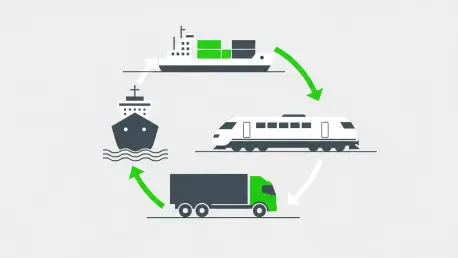
Central to the effectiveness of this digital framework was the ability to analyze and compare different modes of transport in real-time, focusing specifically on the carbon intensity of road versus rail and sea alternatives. While trucking remained the most flexible option for last-mile delivery, its carbon footprint often outweighed its convenience when compared to the high-capacity efficiency of electrified rail systems or modern container vessels. The EcoRoute platform utilized advanced algorithms to suggest route alternatives that prioritized low-emission corridors without compromising the delivery timelines that retailers and manufacturers relied upon. By streamlining the selection process, the tool removed the guesswork from sustainable logistics and provided a standardized metric for environmental performance across different regions. This approach ensured that every leg of a journey was scrutinized for potential energy savings, effectively turning sustainability into a measurable performance indicator rather than a vague corporate goal.
Beyond simple route selection, the system incorporated external variables such as weather patterns, port congestion, and fuel types to provide a dynamic model of potential environmental impacts during transit. This granular level of detail proved essential for companies operating in regions with fluctuating infrastructure quality where traditional routing software often failed to account for idling times or topographical challenges. By leveraging historical data and predictive analytics, the tool empowered logistics managers to pivot their strategies before cargo even left the warehouse, significantly reducing the likelihood of wasted fuel. Furthermore, the integration of alternative fuel data allowed for more accurate assessments of hydrogen-powered or electric heavy-duty vehicles as they became more prevalent in certain markets. Consequently, the transition to greener logistics became a data-driven process that emphasized operational precision over broad, unverified claims of sustainability, marking a departure from traditional industry practices.
The implementation of these advanced routing technologies established a clear pathway for logistics firms to navigate the complexities of a decarbonizing economy through the period of 2026 to 2028. Companies that utilized the EcoRoute tool found that integrating environmental considerations into their core operational logic resulted in significant long-term resilience against fluctuating energy prices and evolving climate policies. Stakeholders recognized that achieving net-zero targets required more than just incremental changes; it demanded a fundamental restructuring of how goods were moved around the planet. By prioritizing multimodal optimization and real-time emission monitoring, organizations successfully transitioned from outdated, high-carbon models to streamlined, future-proof operations. These steps ensured that the logistical network remained a driver of economic growth while finally aligning with the urgent global need for environmental stewardship and resource efficiency, offering a blueprint for future supply chain strategies.