
The fiscal year 2026 Corporate Governance Statement reveals a company in a holding pattern, where survival depends entirely on the execution of a new re-compliance transaction. This suspension from the Australian Securities Exchange (ASX) represents a pivotal moment for Earth’s Energy, as it navigates the intricate requirements of Chapters 1 and 2 of the Listing Rules. The company’s current status reflects a broader trend in the energy sector where legacy assets are being evaluated against modern sustainability and governance benchmarks. By maintaining a frozen ticker, the organization has been afforded a window to overhaul its internal structures, ensuring that any eventual return to the market is underpinned by a robust ethical framework and clear operational objectives. This period of transition is marked by a rigorous internal audit of existing protocols, designed to align the entity with the highest expectations of corporate conduct and long-term shareholder value. The focus remains steadfast on resolving the hurdles that led to the initial suspension, ensuring that every regulatory box is checked before seeking a resumption of trading.
Governance Framework: Board Accountability
The Board of Directors established a comprehensive Corporate Governance Statement to bridge the gap between its previous operational model and the stringent demands of a modern energy enterprise. Central to this effort was the refinement of the Board Charter, which clearly delineates the roles and responsibilities of senior management versus the oversight duties of the directors. This separation of powers is critical during a re-compliance phase, as it prevents conflicts of interest and ensures that the strategic direction of the company remains objective. Furthermore, the company has prioritized a diversity policy that targets specific measurable objectives for gender representation at both the board and executive levels. By integrating these social governance standards into its core structure, Earth’s Energy aims to demonstrate to the ASX that its internal culture has evolved to match the best practices of its peers. These administrative improvements are not merely cosmetic but are essential components of a strategy to rebuild institutional trust and attract high-caliber investors who prioritize stability.
In conjunction with structural changes, the Audit and Risk Committee intensified its scrutiny of the company’s financial reporting and internal control systems. During the ongoing suspension, the committee has been tasked with verifying the integrity of all disclosures, particularly those related to the proposed re-compliance transaction and the valuation of new energy assets. This high level of oversight is necessary to mitigate the inherent risks associated with a fundamental change in business activities. The committee has also focused on a systematic review of environmental and social risks, acknowledging that the future of the energy market is inextricably linked to sustainable development goals. By adopting a proactive stance on risk management, the board ensures that the organization is not only compliant with today’s regulations but is also prepared for the evolving demands of the global energy landscape. This focus on transparency provides a clearer picture of the company’s fiscal health, allowing stakeholders to understand the underlying value proposition even while active trading remains paused on the exchange.
Strategic Execution: Path Toward Market Resumption
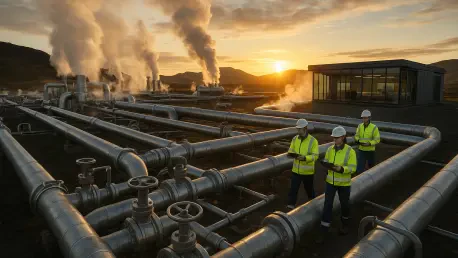
The strategic pivot toward geothermal energy projects serves as the cornerstone of the company’s plan to satisfy the ASX requirements for re-quotation. This shift necessitates a complete re-evaluation of the company’s technical capabilities and exploration licenses, ensuring that each asset contributes meaningfully to the new corporate identity. To facilitate this, Earth’s Energy has engaged with independent technical experts to validate the potential of its current portfolio, providing the data-driven evidence required for a comprehensive prospectus. This document will be the primary vehicle for the re-compliance process, detailing the financial and operational roadmap for the next two years. The transition involves a meticulous allocation of capital toward high-impact exploration activities, moving away from fragmented legacy projects that no longer fit the streamlined vision of the firm. By focusing on a singular, high-potential niche within the renewable sector, the company intends to provide a compelling narrative of growth and innovation that justifies its return to the public boards.
The conclusion of the 2026 corporate governance review marked a definitive end to the period of internal restructuring and set the stage for the next phase of the company’s evolution. Directors finalized a rigorous schedule for the submission of regulatory documents, which ensured that all necessary data points were ready for the Australian Securities Exchange’s evaluation. This proactive approach addressed the gaps in disclosure that previously hindered market confidence, effectively paving the way for a more stable financial future. Stakeholders were provided with a clear roadmap that emphasized the necessity of maintaining high standards of transparency through the re-compliance process. The company recognized that the successful execution of its geothermal pivot required not just technical expertise, but a continued commitment to the governance principles established during this hiatus. These actions solidified the foundation for a sustainable return to trading, providing a structured path for the organization to regain its competitive edge in the global energy market.