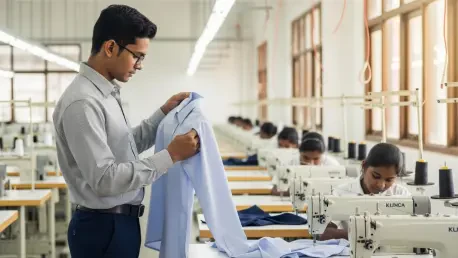

As global supply chains face unprecedented scrutiny from regulators and consumers alike, Sri Lanka is strategically positioning its long-standing commitment to ethical manufacturing as a powerful engine for economic growth and a critical differentiator in a fiercely competitive market. A recent high-level forum in Colombo underscored this pivot, bringing together industry leaders to affirm that social sustainability has evolved from a corporate ideal into a non-negotiable prerequisite for market access. The consensus from the discussions was clear: the nation’s proactive investment in responsible production, once seen as a value-added feature, is now the very foundation of its future export strategy. This shift is particularly timely, as major Western markets increasingly demand verifiable proof of ethical labor practices, pushing compliance from a backstage function to a front-and-center competitive advantage that promises to redefine the country’s role in the global apparel industry.
From Compliance to Competitive Edge
The global apparel landscape is undergoing a seismic shift, with voluntary ethical standards rapidly being replaced by legally mandated due diligence requirements in key export destinations like the United States and the European Union. Avedis Seferian, President and CEO of Worldwide Responsible Accredited Production (WRAP), emphasized during his keynote address that this transition represents a pivotal opportunity for Sri Lanka. The country’s early and sustained adoption of ethical frameworks, famously encapsulated by the “Garments Without Guilt” initiative, has cultivated a mature compliance ecosystem that has now become a significant economic asset. While competitors may scramble to adapt to new human rights and transparency legislation, Sri Lankan manufacturers can leverage a decades-long track record of verified ethical production. This established infrastructure not only de-risks supply chains for global brands but also provides a compelling business case for deeper investment, transforming regulatory hurdles into a distinct market advantage and ensuring continued access for Sri Lankan goods.
This perspective was strongly reinforced by local industry leaders, including Yohan Lawrence, Secretary General of the Joint Apparel Association Forum of Sri Lanka (JAAF), who framed sustainability as integral to the nation’s economic resilience. The dialogue at the forum consistently returned to the idea that ethical manufacturing should be viewed not as a cost of doing business but as a long-term strategic investment in brand reputation and market stability. Discussions highlighted how the growing demand for data-driven transparency is creating new imperatives for the industry. Global brands now require real-time, verifiable insights into every tier of their supply chains, a demand that Sri Lanka is well-equipped to meet through its adoption of digital traceability solutions. This capability to provide granular, trustworthy data on labor standards and environmental impact is becoming a primary factor in purchasing decisions, positioning Sri Lanka as a preferred partner for brands aiming to build resilient and responsible supply networks.
The Future of Manufacturing Is Responsible
The imperative for robust governance and verifiable compliance extends beyond meeting legislative demands; it is fundamentally reshaping business operations and financial strategy. The forum’s panel discussions revealed that structured frameworks and internationally recognized certifications do more than simply ensure adherence to emerging laws. They are instrumental in enhancing operational risk management, improving worker well-being, and fostering a more stable and productive workforce. Furthermore, a demonstrated commitment to social sustainability is increasingly a criterion for securing sustainable financing, opening new avenues for capital investment and business expansion. This holistic approach, where ethical practices are embedded into the core business model, creates a virtuous cycle of improved performance, enhanced reputation, and greater economic opportunity, solidifying Sri Lanka’s position as a hub for high-value, responsibly made apparel.
Ultimately, the forum confirmed that Sri Lanka’s unwavering focus on ethical manufacturing has prepared it for current global market dynamics. The discussions established that social sustainability is no longer an optional component of a business plan but a central pillar for growth and long-term viability. The nation’s proven capacity to deliver on complex compliance demands while maintaining high standards of quality and efficiency was identified as its most potent asset. As the global apparel sector moves irrevocably toward a future defined by transparency and accountability, Sri Lanka’s pioneering efforts in responsible production have provided it with a strategic head start, ensuring its continued relevance and leadership in an industry undergoing profound transformation.