
Frozen potato production is a high-energy, water-intensive industry that operates at a scale most consumers never fully visualize during a quick meal. As global demand for convenient food rises, the pressure on natural resources intensifies, forcing major processors to rethink every step of their supply chain from the soil to the dinner plate. Lamb Weston, a titan in the frozen potato sector, has positioned itself at the forefront of this transition by integrating aggressive sustainability targets into its long-term operational framework. These initiatives are grounded in the necessity of securing future crop yields amidst a changing climate and shifting regulatory landscapes. By 2026, the organization has accelerated its efforts to minimize environmental impacts through a multi-faceted strategy that addresses water usage, carbon emissions, and agricultural resilience. This approach reflects a trend where ecological stewardship is becoming indistinguishable from financial gain.
Operational Efficiency
Water: Processing
Processing a single pound of frozen potatoes requires a significant volume of water for cleaning, peeling, and cutting, making water management a critical pillar of industrial efficiency. Lamb Weston has implemented advanced filtration and recycling systems within its facilities to ensure that every gallon is utilized to its maximum potential before being treated and returned to the environment. These closed-loop systems are designed to capture water used in early production stages and repurpose it for cooling or non-contact industrial processes. Furthermore, the company has invested in real-time monitoring technology that allows plant managers to detect leaks or inefficiencies instantly, preventing unnecessary waste. By 2026, several high-capacity plants have achieved significant reductions in their freshwater intake, moving toward a goal of net-zero water discharge. This focus on local watershed health ensures that the company remains a responsible neighbor while protecting resources.
Energy: Emissions
The energy required to flash-freeze millions of pounds of potato products presents a formidable challenge for any organization committed to lowering its carbon footprint. To address this, Lamb Weston transitioned toward a more diversified energy portfolio, incorporating renewable sources like wind and solar to power its largest processing hubs. Modernizing refrigeration units with high-efficiency compressors and utilizing heat recovery systems has allowed facilities to capture thermal energy that would otherwise be lost to the atmosphere. This captured heat is then redirected to pre-heat water or maintain temperatures in other parts of the plant, lowering natural gas consumption. Beyond the factory walls, the company is optimizing its logistics network by leveraging data analytics to streamline transportation routes and maximize load capacity for every shipment. These operational refinements contribute to a cumulative reduction in greenhouse gas emissions, aligning growth with global climate goals.
Supply Chain Health
Soil: Stewardship
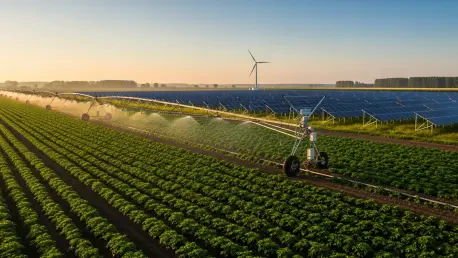
Sustainability in the potato industry begins long before the raw product reaches the factory, starting instead with the health of the soil in which the tubers grow. Lamb Weston works closely with a network of independent growers to implement regenerative agricultural practices that enhance carbon sequestration and improve biodiversity. These methods include the use of cover crops to prevent erosion, precision fertilization to minimize nitrogen runoff, and advanced irrigation scheduling that utilizes satellite data to provide water only when and where it is needed. By providing technical support and financial incentives to farmers, the organization ensures that the land remains productive for future generations while mitigating the environmental impact of large-scale monoculture. These efforts are particularly crucial as 2026 progresses, with soil health directly impacting the starch content of the potatoes. Maintaining a resilient supply chain requires proactive methods.
Waste: Circularity
The final stage of the sustainability journey involved tackling the physical waste generated by packaging and unutilized organic material during the production process. Engineers at Lamb Weston transitioned to bio-based and recyclable materials for secondary packaging, effectively reducing the volume of plastic that entered the landfill system. Simultaneously, the company established robust programs to divert potato scraps and peels into animal feed or anaerobic digesters for biogas production, which ensured that no part of the crop was truly wasted. The organization recognized that the industry needed to prioritize the development of fully compostable primary packaging while refining precision agriculture tools to eliminate surplus. These considerations involved deeper collaboration with retail partners to standardize waste reporting and improve consumer education regarding responsible disposal. By focusing on these steps, the organization demonstrated how industrial-scale food production met modern demands.