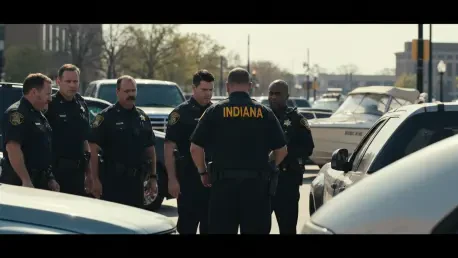

As we dive into the complex world of civil forfeiture, I’m thrilled to sit down with Marco Gaietti, a seasoned expert whose decades of experience in management consulting bring a unique perspective to legal and policy challenges. With a background spanning strategic management and operations, Marco has closely studied systemic issues like civil forfeiture, particularly in Indiana, where reporting discrepancies have raised serious concerns. In this interview, we explore the origins and evolution of civil forfeiture, its controversial applications, the impact of poor data reporting, and the broader implications for justice and public trust.
Can you walk us through what civil forfeiture is and how it differs from property seizure in a criminal case?
Absolutely, James. Civil forfeiture is a legal process where the government can seize property—cash, cars, even homes—by claiming it’s tied to a crime, without necessarily charging the owner with any wrongdoing. Unlike a criminal case, where a person is accused and has rights like access to a lawyer, civil forfeiture targets the property itself. It’s almost as if the property is “charged” with a crime. This stems from old maritime law, where the government needed a way to confiscate goods from absent owners, often overseas. In contrast, criminal seizures happen after a conviction, with stricter legal protections for the individual.
How did civil forfeiture grow to become such a widely used tool in the United States?
Its rise really took off during the 1980s with the war on drugs. The government saw it as a way to hit criminal enterprises by taking their assets—think drug money or vehicles used in trafficking. Laws like the Comprehensive Crime Control Act of 1984 expanded federal and state powers to use civil forfeiture, often sharing the proceeds with law enforcement. This created a financial incentive, and over time, it shifted from a niche tool to a common practice, sometimes applied in cases with little evidence of a crime.
What are some of the major issues that have emerged with how civil forfeiture is practiced?
The biggest issue is the potential for abuse. Innocent people can lose their property without ever being charged, let alone convicted. For example, there are cases where someone’s cash is seized during a routine traffic stop just because it seems “suspicious,” and they’re left to prove their innocence. Studies show a significant number of forfeitures—sometimes over half in certain areas—happen without criminal charges. It’s a system that can prioritize profit over justice, especially when law enforcement keeps a cut of the proceeds.
In Indiana specifically, what steps were taken to monitor civil forfeiture, and how effective have those efforts been?
Indiana passed a law requiring prosecutors to report detailed data on all forfeiture cases to create transparency for lawmakers. The idea was to track how often it’s used, the value of seized property, and case outcomes. But a recent study by the Institute for Justice found huge gaps—nearly 2,000 cases were missing from the official database between 2016 and 2023. That includes $10 million in unreported cash and 144 vehicles. So, while the intent was there, the execution has been deeply flawed.
Why do you think so many forfeiture cases in Indiana are slipping through the cracks in reporting?
A big factor is the use of private prosecutors in almost half of Indiana’s counties. These attorneys handle forfeiture cases and can keep up to a third of the proceeds, which creates a conflict of interest. In those counties, over 50% of cases go unreported, compared to just 14% in counties using government attorneys. On top of that, even when cases are reported, errors are rampant—about two-thirds of reported cases have mistakes in key details like the amount seized or whether the case was settled.
How does this inaccurate reporting shape public and legislative understanding of civil forfeiture in Indiana?
It paints a completely distorted picture. Official reports suggest only 0.2% of owners contest forfeitures, but the actual data shows over a third fight back. Similarly, reports claim just 4% of cases settle, while the real number is closer to 30%, often with owners getting some or all of their property back. This makes it look like prosecutors have ironclad cases, when in reality, many fall apart under scrutiny. Lawmakers relying on this data might think the system is working fine, when it’s anything but.
What broader impact does this have on trust in the justice system, especially for everyday citizens?
It erodes trust significantly. When people hear stories of property being taken without a crime, or see data that hides how often owners successfully fight back, they start to see the system as unfair or even predatory. In Indiana, the median cash seizure in uncontested cases is just $1,263—many people can’t afford to hire a lawyer for that amount, so they walk away. It’s not justice; it’s economics. And without accurate data, there’s no accountability to push for reform.
Looking ahead, what is your forecast for the future of civil forfeiture, both in Indiana and across the country?
I think we’re at a crossroads. In Indiana, this recent study could be a wake-up call for lawmakers to enforce stricter reporting and rethink the use of private prosecutors. Nationally, only a handful of states have eliminated civil forfeiture, but public awareness is growing. With more stories of innocent people losing property, there’s pressure for reform—potentially shifting back to criminal forfeiture, where constitutional protections apply. But change will depend on whether policymakers prioritize justice over revenue, and that’s a tough battle.