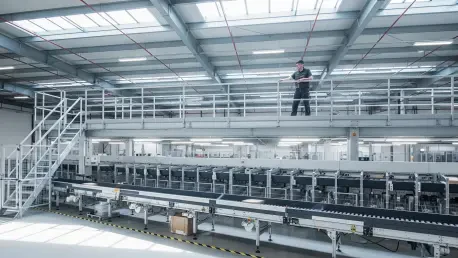

The logistics sector is undergoing a profound transformation where success is no longer defined by the accumulation of square footage but by how effectively a facility facilitates movement. Real estate investors and logistics coordinators are discovering that a massive concrete shell is no longer enough to sustain the breakneck pace of modern consumer expectations regarding fulfillment. In the current market, the focus has pivoted toward operational speed, transforming the warehouse from a static storage unit into a dynamic, problem-solving engine.
This shift is driven by the relentless pressure to deliver goods within 24 hours, making geographic location and internal layout critical components of a company’s competitive edge. Consequently, the traditional view of industrial property as a passive asset is fading. Developers now prioritize strategic facility placement that shortens the distance between the distribution hub and the end consumer, ensuring that the warehouse acts as a high-speed, functional asset within the supply chain.
Contextualizing the Modern Logistics Landscape
Historically, the “empty shell” model dominated industrial development, offering tenants a blank canvas that often required months of additional construction before becoming operational. However, this model is rapidly becoming obsolete as the UK e-commerce boom and global supply chain volatility demand immediate results. For third-party logistics providers, waiting for power upgrades or office installations is a luxury they can no longer afford while competing for tight delivery contracts.
The broader economic relevance of specialized facilities cannot be overstated. In an environment where every minute of downtime translates to lost revenue, the ability to secure a site that is ready for high-density processing is a matter of survival. This transition reflects a sophisticated response to the needs of modern retail, where the property itself acts as a facilitator for rapid growth and resilience against external market shocks.
Research Methodology, Findings, and Implications
Methodology
The investigation utilized a qualitative analysis of strategic developer-tenant partnerships to understand how collaborative efforts influence facility design and long-term scalability. Quantitative data collection focused on current warehouse automation trends and the specific time-to-market metrics for newly commissioned facilities. A consultative approach was also employed to evaluate how developers navigate the intricate web of UK-specific regulations and compliance for international clients.
Findings
A major discovery involves the rise of “plug-and-play” fit-outs, where developers install essential infrastructure like power grids and welfare facilities before a lease is signed. Research indicates a notable uptick in automation adoption, with the prevalence of advanced systems moving from 30% to 35% of facilities between 2026 and 2028. Furthermore, developers are increasingly acting as strategic consultants who mitigate entry risks for overseas operators by managing complex planning laws.
Implications
The transition from a simple landlord-tenant dynamic to a deep strategic partnership allows businesses to bypass construction delays and meet strict delivery contracts immediately. This structural shift moves the infrastructure burden to the developer, fostering a more stable economic environment. Moreover, 24/7 automated operations reduce reliance on manual labor, necessitating a shift in workforce skills toward technical oversight and system maintenance.
Reflection and Future Directions
Reflection
The move away from generic real estate toward bespoke industrial solutions proved to be a necessary progression for the sector. Integrating advanced technology into procurement strategies revealed complexities that required an agile approach to development. Proactive construction successfully addressed the urgency of modern retail, demonstrating that readiness was the most valuable commodity in the logistics market.
Future Directions
Future research could investigate the role of artificial intelligence in predicting the infrastructure needs of tenants before those needs are formally identified. Exploring the integration of sustainable green energy as a standard component will also be vital as regulatory environments become more stringent. Investigating the long-term viability of 24/7 automation across various global jurisdictions will provide a roadmap for further expansion.
The Dawn of the Bespoke Industrial Partnership
The research concluded that the traditional generic warehouse model failed to meet the rigorous demands of a high-speed, technology-driven marketplace. It was determined that cross-functional collaboration and forward-thinking property development became the primary drivers of competitive advantage. Developers who embraced their role as strategic consultants offered far more value than those who simply provided square footage, effectively redefining the standards of excellence. The findings showed that strategic infrastructure and expert consultancy have become the new benchmarks for success in the global logistics landscape.