


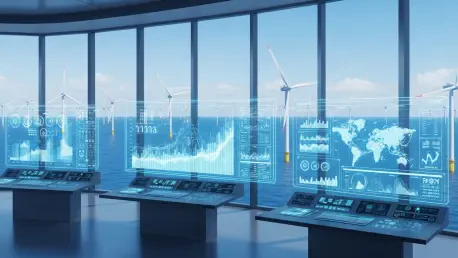

The global industrial ecosystem is currently witnessing a historic realignment where the economic viability of renewable infrastructure has finally begun to outweigh the entrenched reliance on fossil fuel energy sources. For several decades, the movement toward green energy was primarily categorized as a social or environmental initiative; however, it has recently transformed into a massive industrial pivot dictated by cold economic necessity and national security requirements. This analysis explores whether the global energy transition has reached a definitive point of no return by examining the interplay between technological breakthroughs, market forces, and the decoupling of economic growth from carbon intensity. By evaluating how industrial innovation and trade policies intersect, a clearer picture emerges regarding the momentum that is currently reshaping the international power dynamic.
From Coal-Fired Roots to a Renewables Revolution
To grasp the magnitude of the current momentum, it is essential to review the historical dominance of traditional fuels within the world’s major manufacturing centers. Many industrial hubs have long functioned as laboratories for large-scale energy experimentation, balancing the roles of major emitters with being the most aggressive investors in sustainable infrastructure. Historically, coal served as the undisputed backbone of industrial expansion and grid stability, but recent data indicates a fundamental structural shift is occurring. For the first time in modern industrial history, the contribution of coal to power generation in leading manufacturing economies has dipped below the 50% threshold, signaling a departure from a century of carbon-heavy tradition.
This decline is not a momentary fluctuation but the result of a decade of foundational changes where wind and solar were prioritized as the future of national energy security and industrial hegemony. In the current 2026 landscape, the transition is moving away from treating renewables as mere supplements to the primary grid. Instead, these technologies are being integrated as the primary engines of economic growth. The rapid expansion of solar and wind capacity during the last few years has created a new baseline for energy production, allowing nations to begin the slow process of decommissioning older, less efficient thermal plants while simultaneously meeting the needs of a modernizing society.
Driving Forces Behind the Industrial Pivot
The Paradox of Peak Demand and Green Expansion
The scale of the contemporary energy transition is immense, with global renewable installations projected to reach significant new milestones of over 4,300 gigawatts by the end of the decade. However, the market narrative remains complex due to a phenomenon known as the “demand paradox.” While clean energy capacity is expanding at an explosive rate, total fossil fuel consumption remains stubbornly high in several regions because of a massive spike in total electricity demand. This surge is largely driven by the rapid growth of artificial intelligence data centers and the widespread domestic adoption of electric vehicles, which require constant and reliable power sources.
As a result, a decoupling of capacity and actual consumption is becoming evident in major markets. Solar power is on a trajectory to overtake coal in terms of installed electricity capacity within the next few years, yet the absolute volume of coal used may plateau rather than drop immediately. This trend suggests that while the transition is happening, the massive appetite of the digital economy creates a temporary buffer for traditional fuels. Industry observers note that while the 2030 targets for renewable generation were once considered ambitious, current progress suggests that many of these goals will be met ahead of schedule, further accelerating the long-term displacement of carbon-heavy resources.
Beyond Power Plants: The Disruptive Impact of Electric Vehicles
The revolution in clean energy extends far beyond the utility grid and into the automotive sector, where innovation has outpaced traditional manufacturing models and changed consumer expectations. Leading electric vehicle manufacturers are now producing high-tech platforms that challenge established Western automakers in both software integration and manufacturing efficiency. This shift has triggered significant trade friction, resulting in protective measures and high tariffs intended to shield domestic markets from a flood of affordable, technologically advanced imports. In some jurisdictions, these tariffs have reached levels exceeding 100%, creating a fragmented global market for automotive technology.
Despite these protectionist barriers, major technology companies with deep pockets continue to utilize international hardware to advance their own autonomous and electric programs. By integrating high-quality, foreign-built electric minivans into their fleets, these tech giants demonstrate that the technical utility and cost-effectiveness of clean energy platforms often outweigh the financial burdens of aggressive trade policies. This indicates a broader trend where the private sector prioritizes the performance of electric platforms over political considerations, effectively ensuring that the transition to electric mobility remains a global phenomenon regardless of local regulatory hurdles.
Economic and Geopolitical Anchors of the Transition
Underpinning these sectoral changes is a broader economic “super cycle” in energy investment driven by three critical factors: the availability of low-cost renewable energy, an unprecedented rise in load growth, and a renewed focus on national energy security. Renewables have reached a point of scale where they are frequently the most cost-effective method for generating new power. Because roughly 70% of the world’s population resides in regions without significant hydrocarbon reserves, renewable energy offers the only viable path toward energy independence. This geographic reality has turned the transition into a matter of “cold logic” for national security and economic stability rather than just an environmental policy.
Building large-scale solar arrays and battery storage systems is now often faster and more capital-efficient than commissioning new natural gas or coal plants, which can take nearly a decade to clear regulatory and construction hurdles. This geopolitical overlay suggests that the transition is becoming increasingly market-driven. In an era of global volatility, the ability to generate power domestically using local natural resources provides a level of protection against the price fluctuations of international oil and gas markets. Consequently, the move toward a low-carbon economy is being anchored by the financial interests of both developing and developed nations alike.
Navigating the Future: Trends and Speculative Shifts
Looking ahead, several emerging trends are expected to shape the trajectory of this transition through 2030. The inconsistent nature of energy policy in some major economies presents a challenge where political rhetoric often clashes with market reality. While certain factions may advocate for a return to traditional drilling or the removal of environmental standards, the private sector is increasingly aligning with secular mega-trends that favor total electrification. Furthermore, the focus of the transition is expanding beyond carbon emissions to include the management of other vital resources like water.
Innovative technologies such as atmospheric water generation and advanced soil carbon management are emerging as necessary responses to the escalating environmental costs of the status quo. As artificial intelligence infrastructure continues to require compounded annual growth in energy consumption, the pressure to innovate will only intensify. Regulatory frameworks will likely evolve to incentivize “24/7” carbon-free energy, pushing the industry to solve the long-term storage challenges that currently limit the full potential of intermittent renewable sources.
Strategic Takeaways for a Changing Landscape
The transition to a low-carbon economy is no longer a speculative future scenario but a current industrial evolution that requires immediate strategic alignment. For businesses and professionals, the primary takeaway is that market-driven forces, specifically cost-competitiveness and energy security, are now the primary engines of change. To remain competitive in this shifting environment, organizations must align their capital allocation with these long-term trends rather than reacting to short-term political shifts. Success will likely depend on the ability to integrate electrification and digital efficiency into core operational models.
Best practices for the coming years include investing in decentralized energy solutions, monitoring the decoupling of energy capacity from consumption, and understanding the geopolitical risks associated with continued hydrocarbon dependence. As renewables become the most cost-effective method for generating power globally, the strategic advantage lies with those who can navigate the complex trade environment while leveraging the latest technological platforms. Companies that failed to adapt to these shifts faced increasing operational costs and regulatory scrutiny, while those that pivoted early secured a more stable and affordable energy future.
A Permanent Shift in the Global Power Dynamic
The global shift toward clean energy reached a level of maturity that made it appear increasingly unstoppable over the last several years. While rising energy demands from the digital sector and various political frictions provided significant headwinds, the convergence of technological maturity and economic necessity created a permanent shift in the global power dynamic. The story of sustainability moved from the fringes of activism to the very center of industrial strategy, proving that the transition was an economic force that transcended borders and ideologies. Ultimately, the move toward a low-carbon economy was driven by the inescapable reality that renewable energy became the most secure and affordable path forward for a global economy.
The successful organizations and nations prioritized the rapid deployment of storage technologies and the modernization of aging grid infrastructures to accommodate the influx of renewable power. Strategic insights gained during this period highlighted that energy independence was the ultimate hedge against geopolitical instability. Leaders in the sector utilized diversified supply chains and invested heavily in domestic manufacturing to mitigate the risks associated with trade disputes. By the time the industry matured, the focus had shifted toward total system efficiency, ensuring that the transition not only reduced emissions but also provided the foundation for the next century of industrial innovation.







