
Inflation and rising inflation rates have forced homeowners to re-evaluate their smart devices as strategic assets for tracking and reducing daily household consumption. This shift in perspective marks a significant turning point for an industry that has historically relied on the novelty of voice-controlled assistants and automated lighting to drive sales. Today, the relationship between American homeowners and their connected technology is defined by a striking paradox: while adoption rates have surged to nearly 78%, the actual utility of these devices remains wildly inconsistent. A substantial number of consumers report owning hardware that is either rarely used or has never been removed from its original packaging. This utility gap suggests that while the desire for a modernized, efficient home is nearly universal, the practical hurdles of installation and integration frequently prevent these tools from delivering on their promises. Consequently, the challenge for the modern household is no longer about acquiring the latest innovation, but rather about activating existing assets to solve real-world problems like escalating security concerns and rising energy costs. Moving from mere ownership to functional, value-driven usage is the primary goal for anyone looking to justify their investment in a connected living space.
Turning Anxiety into Actionable Security
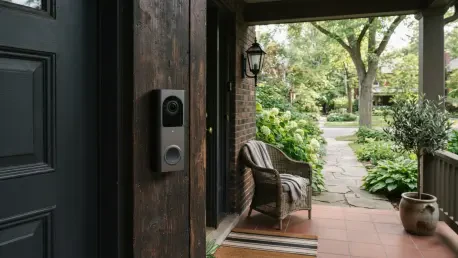
Security remains the leading catalyst for the adoption of smart technology, driven by a growing sense of vulnerability among homeowners. Current data indicates that nearly half of the population feels a heightened concern regarding property theft compared to just a few years ago. This anxiety is particularly focused on the doorstep, where the rise of e-commerce has made porch piracy a common and frustrating reality for one in five residents. Consequently, devices like video doorbells, smart locks, and high-definition outdoor cameras are no longer viewed as luxury additions but as essential components of a household defensive perimeter. However, a camera is only as effective as the logic behind its deployment. Homeowners are beginning to realize that true peace of mind requires moving beyond passive observation toward a more proactive approach. This involves strategically positioning hardware to cover high-traffic delivery zones and ensuring that lighting systems are synchronized with motion sensors to deter potential intruders before a crime occurs.
Beyond the hardware itself, the effectiveness of a security system depends heavily on a well-defined response plan and consistent maintenance. Many users discover that having a camera is insufficient if they do not receive actionable, real-time notifications or if their recording subscriptions have lapsed. To truly live up to the hype, a security ecosystem must provide the user with the ability to intervene immediately, whether through two-way audio or by remotely granting access to a secure delivery area. Integrating smart lighting and sirens that trigger during off-hours adds another layer of deterrence that passive systems lack. Homeowners are encouraged to audit their security settings regularly, verifying that fields of view remain unobstructed and that detection zones are optimized to ignore false positives like passing cars or swaying trees. By focusing on these operational details, residents can transform their technology from a simple digital witness into a powerful proactive shield that protects both their property and their sense of safety.
Offsetting Rising Costs Through Smart Management
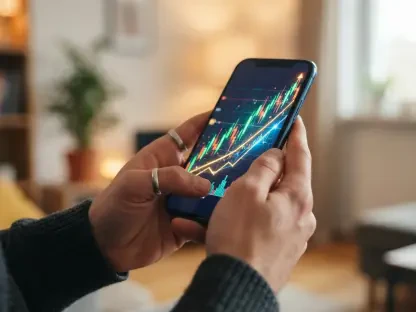
As utility bills continue to escalate due to market fluctuations and seasonal demands, the smart home is being repositioned as a vital tool for financial management. Many households are now experiencing monthly energy costs that exceed three hundred dollars during peak months, leading to a surge in the use of automated climate control and real-time energy monitoring. The ability to track consumption patterns down to the individual appliance level allows homeowners to identify where resources are being wasted. Automated thermostats contribute significantly to this effort by adjusting temperatures based on occupancy and current local utility rates. However, the mere presence of these devices does not guarantee savings; they require precise calibration to align with the actual daily routines of the household. When managed correctly, these systems act as a buffer against bill shock, providing a tangible return on investment that offsets the initial cost of the hardware within a relatively short period.
Effective energy management requires a holistic approach that looks at the entire house as an interconnected system rather than a collection of independent appliances. Homeowners are increasingly using smart technology to identify and eliminate vampire energy drains, which are the small but constant power draws from electronics that remain plugged in while not in use. By implementing smart plugs and central hubs that can depower non-essential systems during the night or when the house is empty, residents can achieve significant cumulative savings. Furthermore, integrating window sensors with the climate control system ensures that the air conditioning does not run while a door or window is open, preventing unnecessary waste. For those looking to maximize the efficiency of their property, the focus must be on using technology to create a self-regulating environment. This transformation of the home into a budget-conscious asset is one of the most practical ways to ensure that connected gadgets are serving a measurable purpose in the modern economic landscape.
Overcoming the Friction of Installation and Integration
One of the primary reasons smart home technology often fails to meet expectations is the friction associated with complex installation and fragmented software ecosystems. A significant percentage of homeowners have purchased high-end hardware only to leave it uninstalled because the wiring or network configuration proved too daunting for a DIY project. This challenge has fueled a shift toward professional installation services, as users seek the assurance that their devices are mounted correctly and synced to a reliable network. Beyond the physical setup, the cognitive load of managing multiple disparate apps for lighting, security, and climate control often leads to device fatigue. When technology feels like a series of chores rather than a convenience, it is frequently ignored. To overcome this, the industry is moving toward unified platforms that allow for centralized control, reducing the friction of daily use and ensuring that the various components of a smart home can communicate with one another effectively.
The frustration of dealing with incompatible gadgets has highlighted the importance of prioritizing an integrated ecosystem over individual features. A home that relies on half a dozen different manufacturers for its smart functions often suffers from a lack of cohesion, where one device’s settings might conflict with another. To bridge this gap, many residents are now opting for a single-hub approach or choosing products that strictly adhere to universal connectivity standards. This ensures that a single command can trigger a sequence of events, such as locking the doors, dimming the lights, and setting the alarm simultaneously. By reducing the number of steps required to interact with the system, homeowners increase the likelihood that they will actually use the technology they have purchased. Professional integrators play a key role in this transition by helping users design a streamlined network that functions as a natural extension of the house. Ultimately, a smart home only truly lives up to the hype when it operates invisibly and reliably in the background of daily life.
Adapting to the Needs of Caregivers and Travelers
The evolving demographics of the modern household are placing new demands on smart home technology, particularly in the realms of caregiving and remote property management. With a growing number of people responsible for the wellbeing of aging relatives, there is an increasing reliance on sensors that can provide emergency notifications or wellness checks without infringing on privacy. These systems go beyond simple video monitoring, using motion patterns and contact sensors to alert family members if a routine is disrupted or if a potential fall is detected. However, it is essential for caregivers to verify that their hardware is specifically designed for medical alerts rather than just general security. Establishing clear communication protocols and ensuring that the right people receive the right alerts at the right time is critical for these systems to be effective. This shift toward connected caregiving demonstrates how smart technology is transitioning from a convenience-based market to one focused on essential human health and safety.
Similarly, the rise of remote residency has allowed frequent travelers and those with second homes to manage their properties with a level of precision that was previously impossible. Whether it is monitoring for water leaks, verifying the arrival of a service provider, or adjusting the temperature before returning home, remote access provides a vital safety net. Travelers are increasingly using their systems to simulate occupancy by automating lighting and window treatments, which acts as a deterrent to potential intruders while the house is empty. To ensure reliability, it has become standard practice for users to test their remote access and update all permissions before departing on a trip. This proactive management allows for a sense of freedom and security, as homeowners can address issues from anywhere in the world through a single mobile interface. By tailoring their smart home configurations to match their specific lifestyle needs, whether as a caregiver or a frequent traveler, residents can ensure their technology provides a high degree of utility regardless of their location.
The Path Forward: Activating Your Household Assets
The evaluation of existing smart home ecosystems became a critical task for those looking to maximize their residential investments. Homeowners audited their hardware to determine which devices provided measurable value and which served as mere distractions. This process involved testing remote access for security cameras and recalibrating smart thermostats to match changing seasonal patterns and utility price hikes. By identifying and removing underutilized sensors, households reduced the digital noise in their management apps, leading to a more streamlined and responsive system. The transition from passive ownership to active management ensured that technology remained a functional asset. This shift in behavior allowed families to regain control over their environments, proving that a truly effective smart home was built on consistent maintenance rather than just the initial installation. The industry eventually stabilized as users prioritized reliability and interoperability over the allure of gimmicky new features.
Strategies for long-term integration focused on professional support and unified platforms to avoid the common pitfalls of DIY fragmentation. Homeowners who sought expert advice on camera placement and sensor sensitivity experienced fewer false alarms and more actionable notifications. This collaborative approach between consumers and technology providers helped bridge the adoption gap, ensuring that hardware did not sit idle in a box. The commitment to understanding the full capabilities of each device allowed users to implement wellbeing checks for elderly relatives and sophisticated energy-saving routines for when the property was vacant. By treating the smart home as an evolving infrastructure rather than a one-time purchase, the market moved toward a more sustainable and functional future. These deliberate steps ensured that the connected home lived up to its original promise of providing safety, efficiency, and peace of mind for every resident. The focus ultimately rested on creating a living space where technology worked invisibly in the background to improve the quality of daily life.