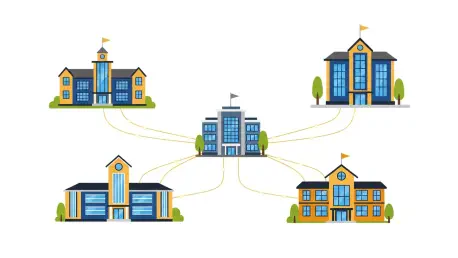

The complexity of managing a large-scale project within a Multi-Academy Trust often resembles an intricate architectural feat where every local school serves as a unique and essential structural pillar. While the MAT model is fundamentally built on the principles of shared services and collective strength, the actual execution of centralized projects, such as new management information systems or standardized digital learning platforms, frequently encounters significant roadblocks when top-down strategies collide with diverse school realities. Success in these environments depends less on the technical specifications of a plan and more on a sophisticated choreography that balances centralized oversight with the specific operational nuances of individual campuses. Leaders who recognize that a trust is a living ecosystem rather than a monolithic block often find that their initiatives achieve deeper penetration and longer-lasting stability. Ensuring that every rollout is realistic and sustainable requires a commitment to understanding how high-level goals manifest in the daily rhythms of the classroom.
Strategic Calibration: Moving Beyond Universal Solutions
A primary driver of project success within these organizations is the intentional rejection of generic strategies in favor of meticulous calibration that respects the distinct identity of each institution. No two schools within a trust are identical, as they often vary significantly in terms of their internal culture, leadership capacity, and the specific socioeconomic or geographical constraints they face. For instance, a small rural primary school operating with a lean administrative team deals with different staffing pressures compared to a large urban secondary school with a robust middle management structure. Effective trust leaders view structured conversations with headteachers as a critical risk-management tool rather than a mere courtesy before launching any major initiative. By treating these interactions as opportunities to identify potential friction points, central teams ensured that proposed changes did not inadvertently overwhelm local capacity or disrupt existing workflows that were already functioning well within specific contexts.
This collaborative framework helps manage the inherent tension that exists between the need for trust-wide coherence and the preservation of school autonomy. While certain non-negotiable elements, such as core safeguarding policies or unified financial reporting systems, are vital for institutional accountability, individual schools must retain the professional discretion to decide how these changes are best embedded within their specific communities. Finding this middle ground is essential for long-term health because excessive centralization often erodes staff morale and stifles the very local leadership that makes schools thrive. Conversely, too much autonomy prevents the trust from realizing the significant benefits of scale and shared expertise that the MAT model was designed to provide. Achieving the right balance required a shift in perspective where central directives were viewed as scaffolds that support local innovation rather than rigid cages that limit the professional judgment of educators on the ground.
Tactical Execution: Timing and Evidence-Based Scaling
The most successful trusts prioritize the quality of phasing over the sheer pace of implementation, often resisting external pressures to move faster than their existing infrastructure can support. Instead of opting for a high-risk rollout where every school undergoes a transition simultaneously, disciplined organizations utilize pilot programs to test initiatives in a handful of schools with varying backgrounds. This measured approach allowed central teams to refine training protocols and identify practical challenges in a controlled environment before expanding the scope of the project. When school leaders observe that a peer has successfully navigated a major change and realized tangible benefits, it builds an internal level of credibility that is impossible to achieve through mandates alone. This evidence-based methodology significantly increased buy-in across the rest of the organization because it demonstrated a clear proof of concept and a genuine commitment to ironing out technical issues beforehand.
Furthermore, project timelines must be meticulously aligned with the natural rhythm of the academic year to prevent unnecessary stress on the workforce. Trust leaders must account for critical periods such as exam seasons, national inspection windows, and complex budget planning cycles when scheduling the launch of major transitions. A project that is technically sound and logically structured can still fail if it is forced upon staff during a high-stress period when their primary focus must remain on student outcomes. In several cases, the most strategic decision a trust leader made was to delay a project by a term or even an entire academic year to protect the operational bandwidth of the schools involved. This level of restraint ensured that the staff possessed the necessary mental space and time to implement the change effectively, transforming the rollout from a perceived burden into a supported professional development opportunity that strengthened the overall teaching environment.
Organizational Resilience: Human Capital and Future Readiness
Effective communication serves as the indispensable linchpin for any successful trust-wide deployment, shifting the focus from the technical mechanics to the overarching strategic purpose behind the change. Because ambiguity almost always leads to frustration and resistance, communication strategies must be both consistent and intentional, creating an environment of psychological safety where school leaders feel empowered to provide candid feedback. When staff members feel that their local challenges are being acknowledged and that the proposed change serves a clear, student-centered purpose, they are far more likely to support the initiative despite the inevitable growing pains. Transparent messaging regarding the expected benefits and the potential hurdles of a new system helped to manage expectations and reduced the anxiety often associated with institutional shifts. This approach fostered a culture of collective ownership where the success of the project was seen as a shared victory.
Even the best strategies faltered without adequate central capacity and a commitment to ruthless prioritization across all levels of the organization. Trusts invested in dedicated project management expertise to shoulder the administrative and technical burden of rollouts, which allowed school-based staff to remain focused on classroom instruction and student welfare. Equally important was the institutional willingness to retire outdated or redundant initiatives before introducing new ones, as schools possessed a finite amount of professional energy and attention. Layering new projects on top of legacy systems without decommissioning the old ones created a cluttered environment that inevitably led to staff burnout and reduced efficiency. Success was found in the discipline of doing fewer things better, ensuring that every active project received the full support and resources required to provide a stable and permanent foundation for future educational achievements.
The evolution of school leadership necessitated a transition toward more agile implementation frameworks that prioritized long-term sustainability over short-term metrics. By analyzing past projects, it became clear that the integration of feedback loops directly into the planning phase allowed for real-time adjustments that saved countless hours of corrective labor later in the cycle. Future initiatives benefited from the adoption of modular rollout strategies that allowed schools to opt into certain components of a project based on their current readiness and local needs. Trusts established permanent internal task forces that bridged the gap between technical departments and academic leaders, ensuring that every digital or administrative shift was vetted through the lens of classroom impact. The path forward was defined by transforming project management from an occasional disruptive event into a continuous process of refinement that honored the unique strengths of every school within the collective trust.