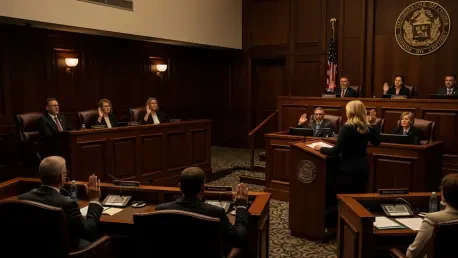

The Children’s Trust of Alachua County recently entered a new phase of institutional development following a productive Board of Directors meeting that solidified its roadmap through the decade. This session served as a turning point, marked by a change in leadership, the formal adoption of a multi-year strategic roadmap, and a commitment to enhanced financial oversight. These developments signal a move toward greater organizational maturity and a more focused approach to serving the region’s youth in a manner that is both transparent and highly effective. The meeting’s proceedings highlighted a transition toward long-term stability and a renewed sense of momentum, reflecting a board that is increasingly comfortable with its governing role and the complexities of its mandate. By addressing governance, future planning, and internal fiscal capacity, the board laid the groundwork for the next several years of operation, ensuring that the initial promises made to the taxpayers are not only met but exceeded through professional management and strategic vision. This evolution is particularly important as the organization shifts from its foundational years into a more established role within the community’s social fabric, requiring more sophisticated internal controls and a clearer articulation of its long-term goals for families.
Governance and Leadership Evolution
Maintaining Structural Integrity Through New Appointments
A significant highlight of the recent session was the formal induction of Melissa Walker to the Board of Directors, a move that restores a vital connection between local initiatives and state-level child welfare resources. Presided over by Chair Mary Chance, the ceremony officially designated Walker as the representative for the Florida Department of Children and Families, filling a position that is essential for coordinating the broad spectrum of services available to the area’s youth. This appointment fills a critical vacancy left by the retirement of Cheryl Twombly in late 2025, ensuring that the institutional knowledge and the specific lens of state-level child protective services continue to inform local decision-making and policy development. The inclusion of such a high-level official is not merely a formality but a strategic necessity, as it allows the Trust to align its local funding and programs with the broader mandates and resources of the state, creating a more seamless safety net for the most vulnerable members of the population.
The process of maintaining this structural integrity is a continuous effort that requires the board to balance legal requirements with the practical needs of the community. When a member with the experience of Cheryl Twombly retires, the board must work diligently to ensure that the transition does not result in a lapse of oversight or a loss of strategic momentum. By quickly moving to swear in Melissa Walker, the Trust demonstrated its commitment to administrative continuity and its ability to navigate the complexities of multi-agency cooperation. This transition also provides an opportunity to reassess how the Trust interacts with the Department of Children and Families, potentially opening new avenues for collaborative projects that address systemic issues such as foster care stability and emergency intervention. The board’s focus on maintaining a full and active membership is a testament to its understanding that effective governance relies on the diverse perspectives and professional backgrounds of each individual member.
Ensuring Diverse Representation and Expertise
The composition of the board is strictly defined by Alachua County Ordinance 18-08, which mandates a balanced ten-member body to ensure that no single interest group dominates the decision-making process. The structure includes five gubernatorial appointees and five local representatives drawn from key sectors of public life, including the school system, the county commission, the judiciary, and social services. This mandated diversity is designed to prevent a siloed approach to child welfare, forcing leaders from different disciplines to collaborate on comprehensive solutions. Currently, the board consists of nine active members, with one remaining vacancy awaiting action from the Governor’s office. This empty seat represents more than just a missing vote; it is a missing piece of the diverse mix of expertise required for holistic community support, and the board remains eager to see it filled by a qualified individual who can contribute to the ongoing mission.
The presence of a juvenile court judge, a school board member, and a county commissioner on the same governing body ensures that the Trust’s initiatives are grounded in the realities of the legal system, the educational environment, and the broader economic landscape of the county. Each of these representatives brings a unique set of data and anecdotal evidence to the table, which helps the board to identify gaps in service that might not be apparent from a single perspective. For instance, the intersection of school attendance data and juvenile justice reports can highlight specific geographic areas or demographic groups that require targeted intervention. This multidisciplinary approach is what sets the Children’s Trust apart from other funding entities, as it possesses the authority and the broad-based membership to tackle issues from multiple angles simultaneously. The current pursuit of filling the final gubernatorial seat underscores the Trust’s dedication to fulfilling its original legal mandate while preparing for the increased demands of a growing population.
A Vision for 2027-2030
Strategic Goals for Health and Education
The board recently reached a major milestone by unanimously approving the 2027-2030 strategic plan, a document shaped by years of community engagement and expert consultation. The first major pillar of this plan focuses on health and nurturing environments, moving beyond basic medical care to emphasize a comprehensive model that includes pre- and postpartum care, early childhood health, and specialized support for children with disabilities. This holistic approach aims to ensure that every child in Alachua County is raised in a safe and supportive medical and emotional environment from the very beginning of their life. By focusing on the “whole child,” the Trust recognizes that physical health is inextricably linked to cognitive development and emotional stability, making early intervention in the domestic environment a top priority for the next four years. This strategy is expected to reduce the long-term strain on social services by addressing health issues before they become chronic or debilitating.
The second pillar of the roadmap addresses educational success and academic readiness, which the board views as the primary engine for future economic mobility and community prosperity. By investing in early learning and providing ongoing support throughout the K-12 experience, the Trust intends to provide the resources necessary for students to meet and exceed academic milestones that are often predictors of later success. This focus reflects a consensus that intellectual development is a fundamental requirement for long-term individual growth, and that the community has a collective responsibility to ensure that every student has access to high-quality tutoring, literacy programs, and after-school enrichment. The strategic plan specifically targets the achievement gap, aiming to provide additional resources to underserved populations who may lack the support systems available to their peers. This commitment to education is designed to create a more equitable landscape where a child’s potential is not limited by their zip code or their family’s socioeconomic status.
Strengthening Safety and Organizational Capacity
The final two pillars of the strategic plan focus on community safety and institutional sustainability, acknowledging that a child’s ability to learn and stay healthy is severely compromised in an insecure environment. The Trust aims to develop safe spaces and proactive prevention strategies to mitigate risks like violence and neglect, working closely with neighborhood organizations to create “hubs” of safety and activity. These efforts are not just about physical security; they are about fostering a sense of community belonging and providing youth with positive alternatives to high-risk behaviors. By funding programs that keep children engaged during the critical after-school hours and over the summer months, the Trust is making a long-term investment in the social fabric of the county. This proactive stance on safety is a departure from reactive models of the past, focusing on building resilience within the youth population rather than simply responding to crises as they occur.
Simultaneously, the plan emphasizes capacity building, both for the Trust itself and for its local partners, to ensure that service providers have the infrastructure and staffing necessary to deliver high-quality programs effectively. The approval of this roadmap was met with enthusiasm, symbolized by board members using noisemakers to celebrate the milestone, a rare display of festive energy in a formal government setting. To ensure the plan remains relevant and responsive to the community’s needs, the consulting firm C Robinson Associates will continue to gather community feedback through stakeholder interviews and focus groups. This ongoing engagement ensures that the Trust’s initiatives remain grounded in the actual needs and aspirations of the families it serves, rather than being dictated solely by top-down administrative decisions. By strengthening the operational capacity of smaller non-profits and community groups, the Trust is essentially magnifying its own impact, creating a network of efficient providers capable of sustaining their work for years to come.
Fiscal Responsibility and Oversight
Enhancing Transparency Through Internal Audits
To bolster its financial management and prepare for the increased scrutiny that comes with a maturing public institution, the board approved the creation of a new staff accountant position. This decision followed a recommendation from the Chief Financial Officer, Molly Greenwald, who identified an immediate need for greater internal support in audit preparation and financial compliance. As the Trust’s budget and the number of its funded programs have grown, the complexity of its financial reporting has increased exponentially, requiring a dedicated professional to manage day-to-day accounting tasks. By hiring a staff accountant to maintain records and adhere to complex governmental accounting standards, the Trust is taking proactive steps to protect its long-term fiscal health and ensure that every taxpayer dollar is accounted for with precision. This role is crucial for maintaining the “clean” audit status that the organization has strived for since its inception.
This new role is designed to provide the board and the public with clear, verifiable information regarding the use of taxpayer funds, which is essential for maintaining community trust. In an era where public institutions are often viewed with skepticism, the Trust’s move toward internal financial specialization sends a strong message about its commitment to transparency. The staff accountant will not only handle routine bookkeeping but will also be instrumental in developing more sophisticated financial reporting tools that can track the return on investment for various funded programs. This data-driven approach to finance will allow the board to make more informed decisions about where to allocate resources in the future, based on which programs are delivering the most significant measurable benefits to children. The decision to hire now, rather than waiting for a future budget cycle, reflects the urgency the board feels regarding financial accountability and the high stakes involved in managing public money.
Sustainable Financial Management and Accountability
The new staff accountant position is expected to be funded through existing resources without impacting current community programs, a move that the CFO assured the board was fiscally sound. With a starting salary range between $52,784 and $66,935, the position is competitively priced to attract a professional with the specialized skills required for government and non-profit accounting. This move toward a more robust internal controls framework underscores the Trust’s commitment to accountability and its evolution into a highly professionalized governmental entity. By internalizing these functions rather than relying solely on external contractors or the overextended schedules of high-level executives, the Trust is building a foundation for sustainable growth. This administrative strengthening is a necessary prerequisite for the ambitious goals set out in the 2027-2030 strategic plan, as a vision is only as strong as the fiscal infrastructure that supports it.
In the long term, this focus on financial rigor will likely lead to greater efficiency and a more streamlined grant-making process. As the internal accounting team becomes more adept at managing the complexities of local and state funding streams, the Trust can provide better guidance to its partner agencies, helping them to improve their own financial reporting and compliance. This creates a virtuous cycle of accountability that benefits the entire community, ensuring that public funds are used as effectively as possible to improve the lives of children. The board’s unanimous support for this expansion of the fiscal department indicates a shared understanding that professional administration is the backbone of successful public service. As the Children’s Trust moves forward, these steps toward enhanced oversight and strategic clarity will be the benchmarks by which its success is measured, providing a clear path for future boards to follow in their pursuit of community-wide youth well-being.
The Children’s Trust of Alachua County concluded its latest series of transitions by establishing a framework that prioritized both visionary planning and administrative precision. The board moved past the initial challenges of organizational setup to focus on a long-term strategy that sought to integrate health, education, and safety into a cohesive service model. To build on this momentum, the organization should now prioritize the full implementation of the internal audit functions and begin the rigorous process of monitoring the first-year benchmarks of the 2027-2030 plan. Future considerations should include a formal review of agency capacity-building efforts to determine if local providers were meeting the elevated standards for financial and operational performance. By maintaining this focus on both the broad goals and the technical details of governance, the Trust took the necessary steps to remain a credible and effective steward of the community’s investment in its youth.