
A sudden, unexplained spike in model inference latency during peak traffic hours can trigger a high-stakes scramble for any MLOps team, transforming a stable production environment into a frantic search for the proverbial needle in a haystack of logs. For years, diagnosing these critical
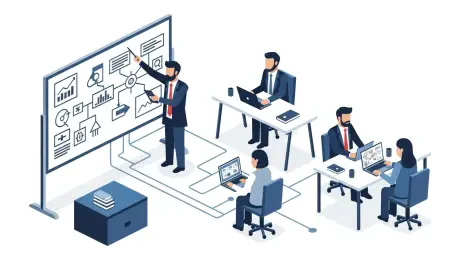
In an environment where digital agility defines success, legacy institutions like chambers of commerce face a pivotal choice: adapt or risk becoming obsolete. The Cyprus Chamber of Commerce and Industry (CCCI) is decisively embracing this challenge, initiating a sweeping digital transformation

The latest integration of artificial intelligence into daily work tools has taken a significant leap forward, with Microsoft embedding powerful new automation capabilities directly into its Teams platform. The introduction of AI Workflows, driven by the sophisticated Microsoft 365 Copilot, promises

With decades of experience in management consulting, Marco Gaietti has become a leading voice on the intersection of business management and human resources. He specializes in guiding organizations through complex transformations, particularly as artificial intelligence reshapes strategic
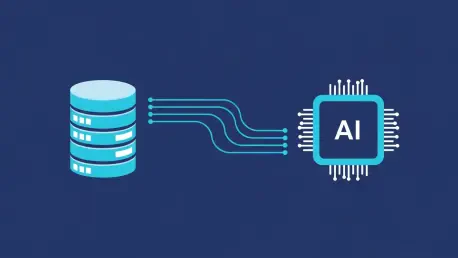
The world's most prestigious law firms are sitting atop digital goldmines of proprietary knowledge, yet they have struggled to connect this invaluable asset to the very artificial intelligence designed to leverage it. This central paradox highlights a critical disconnect: the most powerful
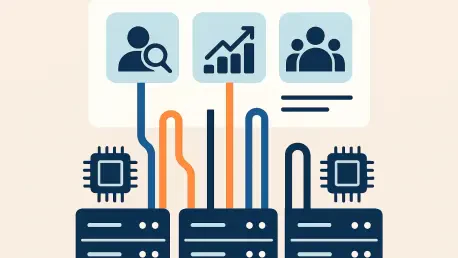
Oracle's ambitious plan to invest between $45 and $50 billion in AI cloud infrastructure is not just a headline about data centers and servers; it is a foundational shift with direct and profound consequences for enterprise technology. This review explores the evolution of this strategy, its key