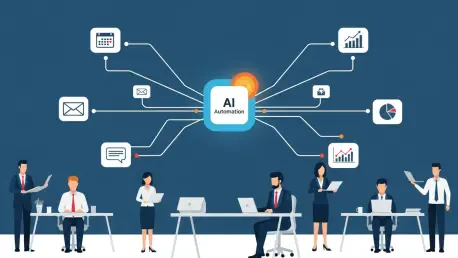
For many small and medium-sized businesses, the path to expansion is often obstructed by a relentless barrage of manual, repetitive tasks that consume valuable time while contributing little to the bottom line. This persistent operational drag, from chasing leads to managing disparate data streams,
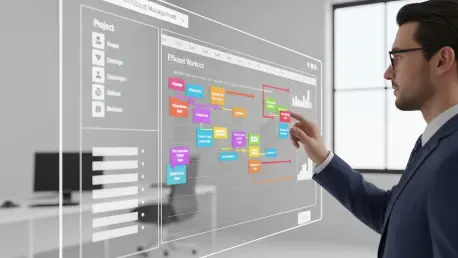
The successful delivery of a project can often mask underlying issues of budget overruns and resource strain, creating a deceptive picture of efficiency that only crumbles upon post-completion analysis. Time tracking software represents a significant advancement in project management and

The journey of temperature-sensitive goods, from life-saving vaccines to fresh produce, is a race against time where a single degree of deviation can mean the difference between usability and waste. An astonishing 40% of these vital supplies are believed to be lost somewhere along the value chain,

A quiet but fundamental inversion is reshaping how enterprise technology is acquired, moving the center of gravity away from formal committees and toward the front lines of daily operations. The traditional, linear model where a recognized need triggers a structured procurement process is becoming

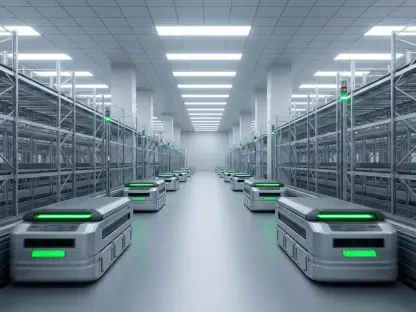
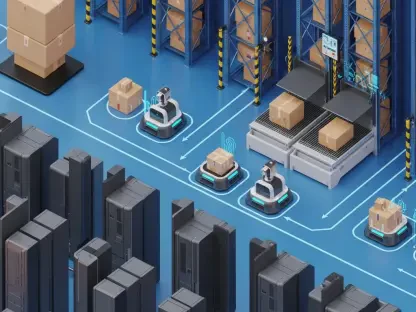
The relentless demand for faster, more accurate order fulfillment has pushed traditional warehouse operations to their breaking point, demanding a fundamental shift toward intelligent, integrated systems. In response to this industry-wide challenge, storage technology supplier META-Regalbau is
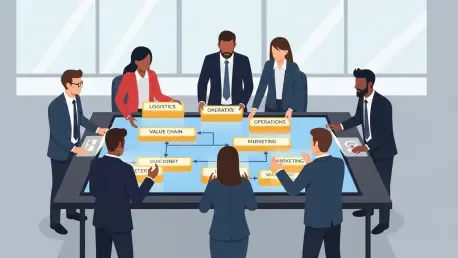
Every single activity within an organization, from a single line of code written by a developer to a routine customer service call, holds the latent potential to either strengthen or weaken its competitive advantage in the marketplace. Many companies find it incredibly difficult to harness this