
The digital transformation of the healthcare sector has evolved far beyond the simple digitization of records to a point where persistent, high-fidelity wireless connectivity is as vital as the batteries powering the life-saving hardware itself. This shift marks a significant departure from the previous decade when data transmission was often viewed as a secondary convenience rather than a fundamental clinical necessity. Today, the immense strain on global healthcare systems has necessitated a transition toward decentralized care models that rely heavily on remote monitoring and sophisticated wearable technologies. These devices must function flawlessly outside controlled hospital environments, bridging the gap between patient homes and clinical centers. As the complexity of medical data increases, the demand for seamless integration into existing healthcare workflows has become paramount. Consequently, engineering standards for these interfaces have risen to match the requirements of physical medical components.
The Evolution: Transitioning to Embedded Medical Connectivity
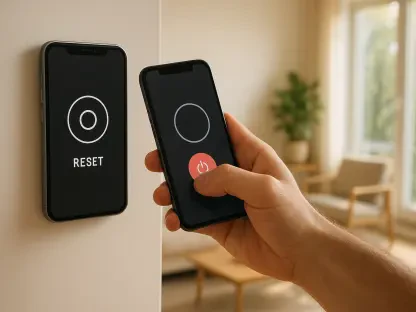
A fundamental shift in medical device architecture is currently unfolding as manufacturers move away from tethered connectivity models that rely on external consumer hardware. Historically, many wearable devices depended on a patient’s smartphone or home Wi-Fi network to relay critical health information to providers, but this approach introduced too many points of failure. Software updates, inconsistent Bluetooth settings, and varying signal strengths often disrupted the transmission of vital signs, creating unacceptable risks in clinical scenarios. By integrating cellular IoT connectivity directly into the device hardware, manufacturers are creating an always-on environment that effectively removes the technical burden from the end-user. This transition to embedded solutions ensures that the device maintains a persistent link to the network regardless of the patient’s technical proficiency or local infrastructure. This architectural independence is essential for maintaining high uptime.
The implications of robust, embedded connectivity are perhaps most evident in high-stakes medical applications such as continuous cardiac monitoring and automated insulin delivery. In these contexts, real-time data analysis is not merely a feature but a life-saving requirement that can drastically reduce mortality rates by identifying cardiac events before they become catastrophic. When connectivity is woven directly into the clinical care pathway, it enables healthcare providers to perform immediate interventions based on streaming biometric data. This level of responsiveness was previously unattainable with non-connected or intermittently connected devices that required manual data uploads. Modern healthcare ecosystems now operate with a near-zero tolerance for connectivity gaps, as any latency in data transmission could delay a critical medical response. Consequently, the focus has shifted toward building resilient communication protocols that prioritize medical data packets.
Security Frameworks: Maintaining Integrity Across Global Networks
As the network of interconnected medical devices expands, the necessity for sophisticated security protocols has become a central focus for engineering and regulatory teams alike. The increase in the number of entry points for data creates a larger attack surface that must be defended against sophisticated cyber threats and unauthorized access. To mitigate these risks, manufacturers are increasingly adopting private network architectures and end-to-end encrypted channels that isolate medical data from public internet traffic. These dedicated access points ensure that sensitive patient information is protected by multiple layers of security before it ever reaches a cloud-based analytics platform. Adhering to these rigorous standards is essential for maintaining compliance with international data privacy regulations and building long-term trust with clinical institutions. By prioritizing the integrity of the data transmission process, manufacturers ensure that information used is secure.
Ensuring that medical devices maintain connectivity across international borders is a significant logistical challenge that requires a unified approach to service delivery. Patients in 2026 are more mobile than ever, and their healthcare must follow them across geographic regions without any interruption in monitoring or treatment. This requirement necessitates a seamless global connectivity platform that can automatically navigate different regulatory frameworks and roaming agreements between various telecommunications providers. Continuity of care depends on the ability of a device to switch between local networks without requiring user intervention or complex configuration changes. Such a system allows a patient traveling from North America to Europe to remain under the constant supervision of their home clinical team. This global reach not only improves patient outcomes but also simplifies the supply chain for manufacturers, who can deploy a single hardware SKU that functions reliably.
Strategic Pathways: Navigating the Integration of Smart Systems
The strategic initiatives undertaken throughout early 2026 solidified the role of connectivity as a foundational element of modern medical device design. Engineering teams moved beyond reactive troubleshooting and instead implemented proactive network management strategies that anticipated potential disruptions before they affected patient care. Decision-makers prioritized the integration of multi-carrier redundancies and edge computing capabilities to ensure that devices remained operational even in challenging environments. These advancements transformed the landscape of remote patient management, allowing for a more equitable distribution of healthcare resources across diverse populations. To build upon this success, clinical leaders emphasized the standardization of data formats to enhance interoperability between different device manufacturers and hospital systems. Future development addressed the longevity of hardware cycles, ensuring that connected devices received updates.
The broader healthcare community also recognized that the success of these technological integrations depended on the willingness of patients to adopt new routines. Medical professionals observed a shift in patient engagement as individuals became more proactive in managing their chronic conditions through data-driven insights. This cultural transition was supported by the development of more intuitive user interfaces that simplified complex medical data into actionable wellness information. Consequently, the industry witnessed a reduction in hospital readmissions as patients received better care within their own homes, supported by the invisible safety net of continuous connectivity. Educational programs were launched to bridge the digital literacy gap, ensuring that all segments of population could benefit from medtech advancements. By 2027, the standard of care had effectively shifted toward a model of perpetual health oversight. Human-centric design was necessary.