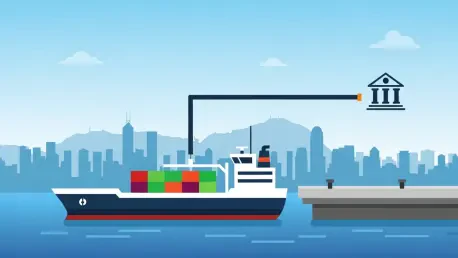

A New Digital Blueprint for Global Commerce
Hong Kong has officially fired the starting gun on a race to modernize one of the oldest and most paper-intensive sectors in finance. On January 19, 2024, the Hong Kong Monetary Authority (HKMA) released its landmark Project CargoX Recommendation Report, a comprehensive roadmap designed to transition the city’s trade finance ecosystem into a fully digital, data-driven powerhouse. This ambitious multi-year plan signals a decisive shift away from centuries-old manual processes, aiming to enhance efficiency, reduce fraud, and cement Hong Kong’s status as a premier global trade hub. This article will explore the core components of this strategy, analyze its potential impact on small and medium-sized enterprises (SMEs), and examine the broader implications for the future of international trade.
From Paper Trails to Digital Highways: The Push for Modernization
For decades, international trade has been shackled by a reliance on physical documents like bills of lading, letters of credit, and invoices. This paper-based system is not only slow and costly but also opaque and prone to human error and fraud. The operational friction inherent in this model has created a persistent “trade finance gap,” where smaller businesses, despite being creditworthy, are often denied the capital needed to fulfill export orders. Lacking the extensive credit histories that larger corporations possess, SMEs have struggled to navigate the cumbersome documentation requirements of traditional lenders. It is against this backdrop of inefficiency and financial exclusion that the HKMA’s new digital initiative emerges as a critical and timely intervention.
Deconstructing Hong Kong’s Three-Pillar Strategy
The “Data” Pillar: A Lifeline for Small and Medium-Sized Enterprises
At the heart of Hong Kong’s plan is a strategic focus on financial inclusion, driven by the “Data” pillar. The report proposes integrating government-held cargo and trade data with the HKMA’s Commercial Data Interchange, a centralized financial data platform. This move is a game-changer for SMEs. By granting banks secure access to a wealth of verified, historical transaction records, the initiative allows lenders to build a more accurate and holistic credit profile for smaller exporters. This data-driven approach replaces outdated assessment models, enabling banks to confidently extend financing to a previously underserved segment of the market and directly address the structural barriers that have long hindered SME growth.
The “Infrastructure” and “Connectivity” Pillars: Building a Seamless Trade Network
Beyond empowering SMEs, the roadmap aims to overhaul the very mechanics of trade. The “Infrastructure” pillar focuses on promoting and standardizing paperless trade capabilities, creating the foundational technology for a fully digital workflow. This is complemented by the “Connectivity” pillar, which outlines an ambitious plan to establish cross-border digital trade links with key partners. Mainland China and the ASEAN region have been identified as initial priorities, reflecting their critical importance to Hong Kong’s economy. Together, these pillars aim to create an interoperable digital ecosystem where transactions are faster, more secure, and transparent, positioning Hong Kong as the central node in a burgeoning network of digital trade corridors.
Public-Private Synergy: The Engine of Implementation
The HKMA has made it clear that this transformation cannot be achieved by regulators alone. The report, which was developed by a 24-member expert group including banks and cargo data providers, is fundamentally built on public-private collaboration. The government’s commitment to lead pilot trials with partners like CargoX lends significant credibility to the initiative and signals strong regulatory backing for enterprise-level blockchain solutions. This endorsement was immediately reflected in the market, with the CXO token, associated with the CargoX platform, rising over 5% following the announcement. This synergy is crucial, as it combines regulatory oversight with private-sector innovation to ensure the plan is both practical and effective.
The Future of Trade Finance: A Regional and Global Ripple Effect
The successful execution of the pilot programs will be the ultimate test of Hong Kong’s vision. If successful, this initiative is poised to do more than just transform the local market; it will create a powerful blueprint for other major financial centers to follow. The ripple effect could inspire similar digitization efforts across Asia, potentially leading to a network of interconnected, interoperable digital trade ecosystems. This shift could fundamentally reshape global supply chains, making them more resilient, efficient, and inclusive. As demonstrated by CargoX’s concurrent efforts to build a digital trade corridor between China and the UAE, Hong Kong’s plan is part of a larger global trend toward a more connected and digitized commercial world.
Key Takeaways and Strategic Imperatives
The HKMA’s roadmap presents a clear and actionable path forward. The core takeaways are threefold: a targeted strategy to solve the SME trade finance gap through data sharing, a foundational investment in paperless infrastructure, and a collaborative approach to building cross-border connectivity. For businesses, particularly SMEs, the imperative is to begin embracing digital tools and preparing for a paperless trade environment. For financial institutions, the plan necessitates investment in data analytics and technology to capitalize on the new information streams made available through the Commercial Data Interchange. Proactive adaptation will be key to thriving in this modernized ecosystem.
A Defining Moment for Hong Kong and Global Trade
In conclusion, Hong Kong’s plan to digitize trade finance represents a pivotal moment, not just for the city but for the future of global commerce. By tackling the deep-seated inefficiencies of a paper-based system, the initiative promises to unlock immense value, foster greater financial inclusion for SMEs, and reinforce Hong Kong’s role as a leading innovator in international finance. The journey ahead will require sustained commitment and collaboration, but the blueprint has been laid. This bold strategy is a clear call to action for the entire industry to move beyond the legacy of the past and build a more efficient, transparent, and accessible future for global trade.