
The airline’s digital sandbox allows developers to test new passenger-facing applications via APIs without risking the stability of core flight operations. This structural decoupling represents a seismic shift in how long-haul carriers approach the intersection of heavy machinery and software engineering, effectively treating the aircraft as a programmable platform rather than a static transport vessel. In the current landscape of 2026, the global aviation industry has moved beyond simple recovery, now facing a hyper-competitive environment where operational efficiency and personalized passenger engagement are the only viable paths to sustainable profitability. ZIPAIR has emerged as a quintessential example of this transition, leveraging its position as a digital-first carrier to bypass the technical debt and rigid organizational hierarchies that have historically stifled innovation within the legacy airline sector. By constructing its entire operational framework around data-centricity and modularity, the carrier has demonstrated that a low-cost structure does not necessitate a diminished user experience, but rather a more focused and technologically integrated one.
Defining a New Strategic Identity
Building Agility Through a Modern Foundation
A fundamental component of the carrier’s success is its departure from the monolithic mainframe systems that still plague many established international airlines. Instead of layering new interfaces over fifty-year-old codebases, the organization built a cloud-native technology stack designed for high-frequency updates and deep modularity. This architecture allows the internal engineering teams to treat airline services as a collection of microservices, where booking engines, loyalty modules, and check-in protocols operate independently yet communicate through standardized protocols. Such an approach enables the airline to iterate on its digital offerings at a pace comparable to Silicon Valley startups, deploying security patches, feature enhancements, and new payment integrations in a matter of hours rather than months. This level of technical agility is critical for navigating the market volatility and rapid shifts in consumer expectations that characterize the current travel industry, ensuring the airline remains resilient against external disruptions.
The strategic decision to embrace a “clean slate” philosophy has essentially immunized the airline against the technical debt that typically accumulates over decades of operation. By avoiding proprietary legacy systems that require specialized, aging talent pools for maintenance, the carrier attracts modern software engineers who can apply the latest advancements in machine learning and distributed systems to the aviation context. This modern foundation also facilitates a more transparent data pipeline, where information flows seamlessly between the commercial offices and the flight deck. Consequently, every decision, from route optimization to personalized marketing campaigns, is grounded in real-time telemetry rather than historical estimations. This shift from a reactive to a predictive operational model is what truly differentiates a market challenger from an incumbent, allowing the airline to proactively adjust its capacity and service levels based on high-fidelity data signals that were previously inaccessible to the broader industry.
Harmonizing Customer and Employee Experiences
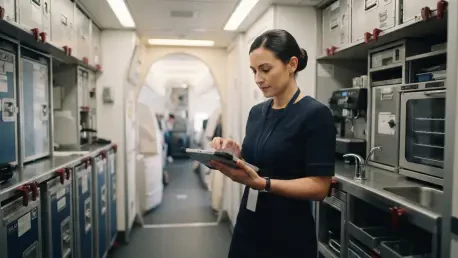
The organizational culture at ZIPAIR is built on the realization that a superior passenger experience is impossible to maintain if the workforce is burdened by inefficient, antiquated tools. This philosophy, often described as a “sustainable flywheel,” posits that by automating the mundane and high-stress administrative tasks associated with ground and cabin operations, the airline can unlock the full potential of human hospitality. In 2026, the frontline staff are equipped with intuitive digital assistants that handle complex logistics such as real-time baggage reconciliation, passenger manifest updates, and inventory tracking. When these logistical friction points are removed, cabin crew members are no longer merely task-oriented laborers; they become brand ambassadors who have the psychological bandwidth to focus on empathetic engagement and individualized care. This reduction in cognitive load not only improves the quality of service provided to the passengers but also significantly enhances employee retention and job satisfaction across the organization.
Furthermore, this harmonization of experiences extends to how the airline manages communication during irregular operations, such as weather delays or mechanical issues. By utilizing the same digital foundation that powers the passenger-facing app, the staff can provide instant, accurate updates to travelers, eliminating the information asymmetry that often leads to frustration and conflict at the boarding gate. This level of transparency builds a deep sense of trust between the airline and its customers, which is a rare commodity in the low-cost carrier segment. The focus on employee empowerment through technology creates a positive feedback loop where satisfied staff members deliver high-quality service, leading to increased passenger loyalty and, ultimately, a more robust bottom line. By treating the employee experience as a prerequisite for customer satisfaction, the carrier has managed to foster a culture of excellence that is reinforced by the very digital tools designed to make the airline more efficient.
Revolutionizing In-Flight Connectivity and Content
The Transition to a 100% BYOD Model
One of the most significant departures from traditional long-haul service is the complete removal of seatback In-Flight Entertainment (IFE) hardware. This bold strategic move was predicated on the understanding that the modern traveler already carries a high-resolution, personalized entertainment center in their pocket or laptop bag. By pivoting to a “Bring Your Own Device” model, the airline has aligned its service with the actual behaviors of 2026 travelers, who prefer to consume content from their own curated libraries or streaming subscriptions. To support this, the carrier provides free, high-speed satellite connectivity through advanced low-earth orbit constellations, ensuring that the transition from ground to air is digitally seamless. This approach transforms the aircraft cabin from a digital isolation chamber into a fully connected environment where passengers can stream 4K video, attend virtual meetings, or socialise on digital platforms with the same low latency they experience at home.
The elimination of physical IFE screens also provides substantial secondary benefits that ripple through the airline’s entire operational model. Beyond the obvious reduction in initial capital expenditure and ongoing maintenance costs, the removal of heavy screens, wiring, and onboard servers drastically simplifies the aircraft’s internal configuration. This digital-first entertainment strategy reflects a deep understanding of consumer psychology, as it prioritizes autonomy and freedom over the forced consumption of a limited onboard media selection. Passengers are empowered to use their own devices, which they are already comfortable with, while the airline focuses on providing the robust bandwidth necessary to facilitate those personal choices. This shift not only caters to the tech-savvy demographic but also sets a new industry standard for how low-cost carriers can offer a premium digital experience without the traditional overhead associated with full-service legacy airlines.
Data Synchronization and Operational Safety
High-speed connectivity on the aircraft is far more than a passenger amenity; it is a critical tool for enhancing operational safety and flight deck efficiency. In the current era, pilots utilize persistent, high-bandwidth satellite links to receive real-time, high-resolution weather data and turbulence forecasts that are far more granular than the intermittent updates of the past. This constant stream of information allows flight crews to make dynamic adjustments to their flight paths, navigating around localized weather cells and optimizing altitudes for smoother air. Such proactive management directly improves the safety margins of each flight while simultaneously reducing the physical stress on both the aircraft and its occupants. The integration of real-time telemetry also means that ground-based maintenance teams can monitor the health of aircraft systems during the flight, allowing for predictive maintenance scheduling that minimizes ground time and prevents unexpected technical delays.
The synchronization of data across the aircraft also extends to the cabin management systems, where the crew can monitor service requests and inventory levels through interconnected handheld devices. This allows for a leaner, more efficient staffing model where the crew can prioritize their actions based on real-time needs rather than performing repetitive manual checks. For instance, if a passenger orders a meal via their personal device, the request is immediately routed to the galley, and the inventory is updated across the entire network. This level of precision eliminates the need for heavy paper menus and manual record-keeping, further reducing the weight of the aircraft and the administrative burden on the crew. The result is a highly coordinated environment where every person and system on board is working with the same set of real-time data, creating a safer, more efficient, and more responsive flight experience for everyone involved.
Enhancing Value Through Frictionless Service
Digital Self-Service and Mobile Ordering
The removal of traditional friction points in the passenger journey is a cornerstone of the airline’s service philosophy, with a heavy emphasis on digital self-service. By moving the entire onboard retail and dining experience to a mobile self-ordering platform, the carrier has effectively eliminated the noisy and intrusive cart service that has long been a staple of commercial aviation. Passengers are no longer interrupted by cabin announcements or physical obstructions in the aisle; instead, they can browse menus, select items, and process payments at their convenience using their own devices. This shift creates a much quieter and more serene cabin environment, particularly during long-haul night flights, as the crew only moves through the cabin to deliver specific orders. This model provides the traveler with a sense of control and privacy that is often lacking in the economy class experience, turning a standard flight into a more personalized and dignified journey.
This mobile-centric approach also allows the airline to implement dynamic pricing and real-time inventory management, maximizing ancillary revenue while ensuring that passengers are only presented with available options. The backend system can automatically suggest pairings or highlight promotions based on the time of flight or the passenger’s previous preferences, creating a sophisticated retail experience that mirrors modern e-commerce standards. For the airline, this means a significant reduction in waste, as meals and retail items are managed with high precision, and the digital nature of the platform allows for instant updates to the product catalog without the need for printing new materials. By empowering the passenger to manage their own service needs, the carrier has created a frictionless ecosystem where efficiency and convenience coexist, allowing the crew to focus their energy on specialized service tasks and ensuring the highest standards of safety are maintained at all times.
Structural Efficiency and Environmental Impact
The digital innovations implemented by the carrier have profound implications for the physical weight and environmental footprint of the aircraft. By stripping away seatback screens, the hundreds of miles of copper wiring required to power them, and the heavy localized servers used to store media, the airline has reduced the weight of each aircraft by several hundred kilograms. In the physics-driven world of aviation, weight is the primary variable in fuel consumption; even a small reduction in mass leads to a significant decrease in the carbon emissions generated over the life of the airframe. This structural efficiency is a direct result of the digital-first mindset, proving that technological progress can be a primary driver of environmental sustainability. As the industry moves toward more stringent carbon-neutral targets, the carrier’s lean cabin design provides a viable roadmap for how long-haul aviation can minimize its ecological impact while maintaining a high level of service.
Beyond the immediate fuel savings, this lean approach also simplifies the recycling and decommissioning processes at the end of the aircraft’s lifecycle, as there is far less electronic waste to manage. The reduction in physical complexity also translates to fewer points of failure, which decreases the frequency of unscheduled maintenance and the associated environmental costs of ferrying parts and technicians across the globe. The airline’s commitment to sustainability is thus woven into its technological architecture, demonstrating that digital innovation and environmental responsibility are not separate initiatives but are, in fact, mutually reinforcing. By optimizing the aircraft for the digital age, the organization has created a model of structural efficiency that benefits the planet as much as it benefits the balance sheet. This holistic view of sustainability ensures that the airline remains a leader in the transition toward a more responsible and resource-efficient global aviation network.
A Disciplined Framework for Technology Investment
Problem-First Mapping and Scalability
A central tenet of the airline’s innovation strategy is a disciplined framework that prioritizes problem-solving over the adoption of “hype” technologies. Every proposed technical initiative undergoes a rigorous evaluation process known as problem-first mapping, which ensures that the solution is designed to address a specific, measurable pain point for either the passenger or the operational staff. This prevents the common industry pitfall of investing in flashy but low-value gadgets that ultimately add complexity without improving the core business. By focusing on the “why” before the “how,” the airline ensures that its limited R&D resources are always directed toward high-impact projects, such as reducing check-in times or optimizing fuel burn through better data modeling. This disciplined approach ensures that every dollar spent on technology is an investment in the airline’s long-term competitive advantage rather than a speculative gamble on unproven trends.
Scalability and “reversibility” are also key requirements for any new technological deployment within the organization. The use of modular, API-driven architectures ensures that the airline is never locked into a single vendor’s ecosystem, allowing it to remain flexible as the technological landscape evolves. Reversibility is a particularly crucial concept, as it allows the airline to test a new feature and quickly retract it if it does not meet the desired performance metrics, without causing permanent disruption to the underlying infrastructure. This flexibility is essential in an era where new AI models and data protocols emerge every few months. By building a system that is designed to be changed, the airline has future-proofed its operations against obsolescence. This structural adaptability allows the carrier to stay at the cutting edge of innovation, constantly refining its digital tools to better serve its passengers and its workforce in a rapidly changing world.
Rapid Validation and Minimal Financial Risk
To maintain its competitive edge, the carrier has adopted a methodology of rapid validation that favors small-scale pilot programs and Minimum Viable Products (MVPs) over massive, multi-year IT contracts. In the traditional airline model, a major software upgrade could take years to implement and cost tens of millions of dollars, often becoming obsolete by the time it is fully deployed. ZIPAIR avoids this by testing new digital features in real-world environments within weeks, gathering immediate feedback from users and frontline staff. This iterative process allows the company to identify and fix flaws early, or to pivot away from a concept entirely if it fails to deliver the expected value. By keeping the scope of initial projects narrow, the airline minimizes its financial risk while maximizing its learning speed, creating a culture where experimentation is encouraged but strictly governed by data-driven results.
This approach to innovation also enables the airline to respond with incredible speed to emerging market trends or shifting regulatory requirements. For example, when a new digital health protocol or payment standard is introduced, the carrier can rapidly develop and test an integration within its sandbox environment before rolling it out to the entire fleet. This speed-to-market is a significant competitive advantage, as it allows the airline to offer the latest conveniences to its passengers long before its larger, more bureaucratic competitors can navigate their internal approval processes. By decoupling the innovation cycle from the traditional rigid corporate structures, the carrier has created a lean, high-velocity organization that is uniquely equipped to handle the demands of the 2026 travel market. This disciplined financial and operational focus ensures that the airline’s digital transformation remains a source of strength rather than a drain on its resources.
Cultivating an Agile Ecosystem and Future Readiness
Collaborative Partnerships and Architectural Decoupling
In the current technological landscape, no single organization can innovate in a vacuum, and ZIPAIR has mastered the art of collaborative development through strategic partnerships with startups and tech scaleups. To facilitate these collaborations without compromising the safety and reliability of its mission-critical systems, the airline employs a strategy called architectural decoupling. This involves creating a secure, cloud-based “sandbox” that provides external developers with access to non-critical data through standardized APIs. Within this environment, third-party innovators can build and test new passenger-facing applications, such as augmented reality cabin guides or personalized destination recommendations, without any risk to the flight control or safety systems. This allows the airline to benefit from the specialized expertise and rapid development cycles of the global startup community while maintaining absolute control over its core operational stability.
This open innovation model has allowed the carrier to integrate cutting-edge tools much faster than if it had attempted to build everything in-house. By acting as a platform for innovation, the airline fosters an ecosystem where fresh ideas can be rapidly validated and scaled. These partnerships are built on a shared understanding of the specific problems that need to be solved, ensuring that the resulting technologies are practically useful rather than just theoretically interesting. The architectural decoupling also means that if a partnership ends or a specific technology becomes outdated, the airline can simply disconnect the API and move to a different provider without having to redesign its entire backend. This modular approach to partnerships ensures that the carrier remains at the center of a vibrant and evolving technological ecosystem, constantly pulling in the best ideas from around the world to enhance its service and operations.
Empowering the Workforce Through Digital Literacy
A cornerstone of the airline’s future-readiness is its investment in the digital literacy of its entire workforce, from the executive suite to the cabin crew. The organization recognizes that even the most advanced technological systems are ineffective if the people operating them do not understand their underlying logic and capabilities. To address this, the carrier has broken down the traditional silos between IT and operations, providing structured education and training programs that demystify system architecture and emerging tech trends for non-technical staff. When a flight attendant understands how the mobile ordering system interacts with the ground-based logistics chain, they are far better equipped to troubleshoot issues and suggest meaningful improvements to the workflow. This shared language of technology empowers employees at all levels to contribute to the airline’s innovation cycle, turning every member of the team into a potential source of operational insight.
This commitment to digital fluency also fosters a culture of adaptability and continuous learning, which is essential for success in the fast-paced 2026 aviation environment. As new technologies like autonomous baggage handling or advanced biometric boarding systems are introduced, the workforce is already prepared to integrate them into their daily routines. This proactive approach to training reduces the friction often associated with technological change and ensures that the airline can realize the full ROI of its digital investments. By treating its employees as active participants in the digital transformation rather than passive users of new tools, the carrier has created a resilient and forward-thinking organization. This human-centric approach to technology ensures that the airline’s digital infrastructure is always supported by a knowledgeable and empowered workforce, creating a powerful combination of high-tech efficiency and high-touch service.
Preparing for the Era of Generative AI
As the industry moves deeper into 2026, ZIPAIR is actively positioning itself to capitalize on the seismic shift in travel retailing driven by Generative AI and autonomous agents. The airline envisions a transition away from the traditional, rigid website funnels where passengers must manually navigate through dates, routes, and seat maps. Instead, the carrier is evolving into a “composable retail engine” that can interact directly with a passenger’s personal AI agent. In this future, a traveler might simply express an intent—such as “find me the best value flight to Tokyo for a family of four with high-speed WiFi”—and the airline’s systems will provide a dynamic, real-time offer tailored specifically to that request. By moving toward intent-based commerce, the carrier aims to capture the next generation of digital travelers who demand a more conversational and frictionless booking experience.
To support this transition, the airline is developing sophisticated contextual recommendation algorithms that can process vast amounts of real-time data to generate personalized offers. These systems go beyond simple “previous purchase” tracking, instead using AI to understand the context of a journey and suggest relevant services at the exact moment they are needed. For example, if a traveler is booked on a long-haul flight that arrives early in the morning, the system might proactively offer a lounge pass or a seamless hotel transfer through a partner network. This level of predictive service requires a deep integration of data across all touchpoints, which the airline’s modular foundation is uniquely designed to support. By preparing for a world where AI agents handle the complexity of travel planning, the carrier is ensuring its relevance in a digital landscape where the primary interface is no longer a screen, but a conversation.
The digital evolution of ZIPAIR demonstrated that a clean-slate approach was essential for dismantling the legacy barriers that historically hindered aviation innovation. By treating connectivity as an operational necessity rather than a luxury, the airline successfully transitioned the cabin into a synchronized, data-rich environment that benefited both passengers and crew. This strategic shift away from hardware-heavy interiors toward a flexible, software-defined service model allowed for a level of agility that established carriers struggled to match. The airline’s journey highlighted the critical importance of fostering digital literacy across all ranks, ensuring that technological tools were paired with human intuition to drive superior results. Ultimately, the industry realized that the successful airline of the future was not just a transportation provider, but a sophisticated retail and data platform capable of adapting in real-time to the shifting intentions of the modern traveler. Moving forward, carriers must prioritize architectural modularity and AI integration to remain competitive in an increasingly automated global market.