
The global maritime sector is currently grappling with the dual pressures of increasingly stringent environmental mandates and the volatile economic reality of fluctuating fossil fuel prices. As container terminals across the globe transition from traditional diesel-reliant operations toward integrated, low-emission energy systems, the demand for reliable and scalable electrification has never been more urgent for port operators. This shift is not merely a response to regulatory oversight but is increasingly seen as a vital prerequisite for building future-proof infrastructure capable of sustaining long-term commercial viability. By addressing the massive carbon footprint of heavy machinery, industry leaders like Paul Vahle are demonstrating that the path to decarbonization is paved with modular engineering and automated energy delivery. The adoption of these technologies represents a fundamental reimagining of how energy flows through a port, moving away from centralized fuel depots toward decentralized, high-capacity electrical grids that can support the next generation of automated logistics.
Revolutionizing Crane Operations: The Modular Approach
Converting Rubber Tyred Gantry cranes from diesel-mechanical drives to fully electric systems represents one of the most effective strategies for immediate carbon reduction in terminal environments. By utilizing the modular TriMotion Compact system, terminal operators are now capable of replacing traditional diesel units with high-efficiency electric power configurations that significantly lower operational costs. Each crane converted through this method can save approximately 300 tons of carbon dioxide annually, providing a clear and measurable path toward meeting sustainability targets while simultaneously reducing the noise pollution that often plagues port-adjacent communities. This modular architecture allows for a seamless integration into existing terminal layouts, ensuring that the transition to green energy does not require a complete overhaul of the current physical infrastructure. The reliability of these electrified systems ensures that heavy-duty lifting remains consistent, providing the high torque and steady power delivery required for modern high-volume container handling.
To manage the intense energy demands inherent in these heavy-duty cycles, the integration of immersion-cooled battery storage systems has become a critical component of the modern electrified port. These sophisticated energy units act as dynamic buffers that stabilize the local power grid, effectively absorbing energy during regenerative braking and discharging it during periods of peak load demand. This peak-shaving capability is essential for terminals that operate under constrained grid conditions, allowing for the deployment of multiple electric cranes without overwhelming the existing utility infrastructure. Furthermore, these battery systems allow cranes to operate temporarily independent of the main grid, which is particularly useful during aisle changes or complex hybrid maneuvers where a direct tethered connection might be impractical. By maintaining a constant state of readiness and optimizing energy consumption patterns, these storage solutions ensure that the transition to electric power enhances rather than hinders the overall efficiency and throughput of the container terminal.
Streamlining Energy Delivery: The PowerDock Infrastructure
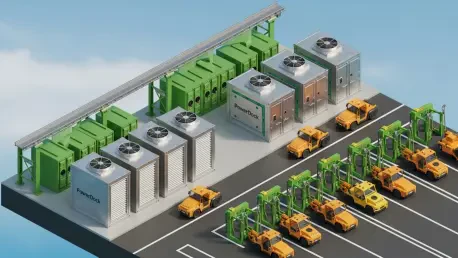
The logistical challenge of maintaining a fully electric fleet of terminal vehicles is being addressed through the implementation of standardized charging infrastructure like the PowerDock system. By focusing on the concept of opportunity charging, where vehicles are automatically replenished during scheduled downtime or brief operational pauses, operators can maintain high availability without the need for lengthy manual charging sessions. This approach integrates energy management directly into the terminal’s existing process chain, ensuring that vehicles remain in constant motion rather than sitting idle at a central charging station. The automated nature of these systems removes the risk of human error and minimizes the physical wear and tear associated with traditional plug-in connections. As fleets grow in size and complexity, the ability to scale these charging points becomes a decisive factor in the successful electrification of the entire ground support operation, providing a blueprint for how massive logistics hubs can operate entirely on renewable energy.
Beyond the ground-based machinery, the expansion into advanced shore power solutions is fundamentally changing how vessels interact with port infrastructure while docked. A successful installation in the Port of Hamburg serves as a primary example, where vessels are now supplied with clean electricity through specialized systems designed to accommodate significant tidal movements. This technology eliminates the need for noise-polluting onboard diesel generators, which have historically been a major source of localized emissions and acoustic disturbance during extended stays in port. The sophisticated cable management systems employed in these shore power setups are engineered to withstand the harsh marine environment while providing a safe and reliable connection for a wide variety of vessel types. By bridging the gap between the ship and the shore, these innovations represent a unified strategy to provide scalable and economically viable solutions. This comprehensive approach to electrification ensures that every aspect of the maritime supply chain is moving toward a more sustainable and quiet future.
Implementing Actionable Strategies: Next Steps for Port Operators
The transition toward fully electrified port environments reached a significant milestone as the technical feasibility of these modular systems was firmly established across major global shipping hubs. Port authorities and private terminal operators who prioritized early adoption of grid-stabilizing battery storage and automated charging stations found themselves better positioned to handle the rising costs of traditional energy. Moving forward, the focus must shift toward the deep integration of software-driven energy management systems that can predict load requirements and optimize charging schedules in real time. Investing in standardized interfaces like the PowerDock system provided a foundation for interoperability, allowing different types of electric terminal equipment to share the same infrastructure seamlessly. This interoperability was key to reducing the total cost of ownership and accelerating the return on investment for large-scale green initiatives. The success of these implementations showed that the technical barriers to a carbon-neutral port were largely overcome by innovative engineering.
Future considerations for terminal expansion should now prioritize the deployment of shore power and modular crane electrification as standard features rather than optional upgrades. The historical data gathered from early installations in cities like Hamburg proved that these systems could withstand rigorous operational demands while delivering substantial environmental benefits. Decision-makers were encouraged to conduct comprehensive energy audits to identify specific bottlenecks in their current infrastructure where immersion-cooled storage could provide the most significant grid relief. By adopting a phased approach to electrification, terminals managed to minimize operational disruptions while steadily decreasing their carbon footprint. These proactive steps ensured that the maritime industry did not just meet the regulations of the day but actually exceeded them, setting a new global standard for industrial sustainability. The transition was defined by a shift from experimental pilot programs to the widespread adoption of proven, scalable technologies that redefined the relationship between maritime logistics and the environment.