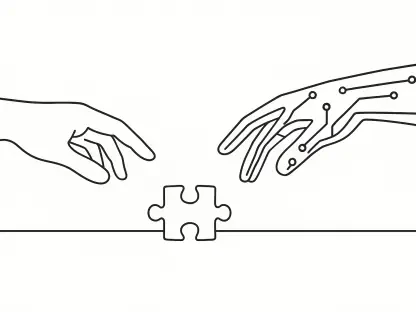

Heirs who have spent their lives operating within a parental safety net present a high risk to the long-term preservation of a family’s complex financial architecture. This reality often catches high-net-worth families off guard, as they frequently mistake a robust legal document for a guarantee of generational continuity. While a trust can protect assets from external creditors or tax authorities, it remains vulnerable to the internal decisions of those tasked with its oversight. In the current economic climate of 2026, where global markets demand agility and discernment, the reliance on mere paperwork is increasingly dangerous. Many families invest millions in tax planning but neglect the psychological readiness of the next generation, creating a scenario where vast resources are placed into the hands of individuals who lack the internal framework to handle them. This gap between structural readiness and personal maturity represents the primary reason why even the most ironclad trusts can collapse within a single generation after the grantor’s passing.
The Psychological Gap in Wealth Management
The Limits of Technical Planning: Why Paperwork Is Not Enough
Technical perfection in estate planning is often viewed as the ultimate goal, with families spending years refining distribution schedules and minimizing potential liabilities through sophisticated legal vehicles. However, these structural triumphs are frequently rendered moot when the human element is introduced into the equation without proper vetting. The core issue lies in the fact that a trust document is a static tool, whereas an heir is a dynamic and often unpredictable variable. When an heir experiences sudden wealth syndrome, the sheer magnitude of the inheritance can lead to a state of clinical paralysis or, conversely, reckless behavior that bypasses the intended safeguards. Without a foundation of behavioral maturity, the technical brilliance of a trust serves only to delay the inevitable mismanagement of assets. Advisors must recognize that a plan that performs flawlessly in a theoretical vacuum will likely encounter catastrophic friction when faced with the realities of human emotion and unrefined judgment.
Furthermore, the focus on technical details often creates a false sense of security that blinds grantors to the actual risks at hand. By prioritizing tax optimization above all else, families may inadvertently strip their heirs of the agency required to learn through smaller, managed risks during the grantor’s lifetime. This “fortress” approach to planning assumes that as long as the money is protected legally, the family legacy is safe. Yet, history has shown that the preservation of wealth is less about the shielding of assets and more about the cultivation of stewardship. In 2026, the complexity of global finance requires heirs to possess not just wealth, but the specific temperament to navigate shifting tides without succumbing to the pressures of external influences or internal insecurities. If the psychological capacity of the recipient does not match the scale of the assets, even the most innovative legal protections will eventually crumble under the weight of poor decision-making and a lack of vision.
The Phenomenon of the Invisible Brake: Identity and Resistance
The “Invisible Brake” is a subtle yet powerful psychological resistance that prevents an heir from assuming a role of genuine authority and stewardship. This phenomenon occurs when an individual’s internal identity remains tethered to a child-like state of dependence, even after they have reached legal adulthood. It is not necessarily a lack of intelligence or financial literacy that causes this brake to engage; rather, it is a fundamental conflict between the heir’s self-perception and the heavy expectations placed upon them by their family’s legacy. For many, the sudden shift from being a beneficiary to a decision-maker triggers an unconscious fear of failure or a lingering desire to defer to a parental figure who may no longer be available for guidance. This paralysis can manifest as procrastination, excessive caution, or a complete withdrawal from management responsibilities, leaving the trust’s governance in a state of limbo where effective action becomes impossible due to these deep-seated emotional barriers.
Addressing this invisible resistance requires a move beyond traditional financial education toward a deeper understanding of identity and expectation management. An heir might hold an advanced degree in business or law, yet still “freeze” when confronted with the actual power to alter the family’s financial trajectory. This occurs because the emotional stakes of managing a legacy often outweigh the intellectual components of the task. The fear of being perceived as an impostor or an unqualified steward can lead to a defensive posture where the heir avoids making any moves that might attract criticism. In these cases, the “brake” is not something external that can be removed with more training; it is an internal safeguard against the perceived threat of losing one’s identity within the shadow of the grantor’s success. Recognizing this dynamic is essential for any family that wishes to ensure their trust remains a vehicle for growth rather than a source of generational stagnation or psychological distress for recipients.
Behavioral Strategies for Long-term Wealth Preservation
Beyond Financial Literacy: Cultivating Behavioral Stewardship
Traditional fixes for wealth mismanagement, such as annual family meetings or basic financial literacy workshops, often fail because they treat the symptoms rather than the underlying cause. While these programs are useful for establishing a shared vocabulary and teaching the basics of a balance sheet, they rarely cultivate the deep-seated maturity needed to withstand the pressures of managing significant capital. Knowing how to read a financial statement is fundamentally different from having the emotional fortitude to make a difficult decision that affects multiple generations. Many current programs overlook the necessity of behavioral coaching, assuming that information alone is sufficient to transform a passive beneficiary into a proactive steward. This gap in the educational process often results in heirs who are technically proficient but emotionally unprepared for the volatile nature of wealth ownership. Consequently, assets remain at risk despite the thousands spent on retreats that focus on academic knowledge over character.
Age-based distributions are another traditional tool that frequently falls short of its intended purpose. Many trust documents are structured to release funds when an heir reaches specific milestones, such as 25, 30, or 35, under the assumption that maturity is a function of time. However, experience suggests that an heir who lacks psychological readiness at a younger age is likely to remain unprepared a decade later if their behavioral patterns have not been intentionally challenged. Simply delaying the inevitable release of capital does not solve the problem; it merely increases the volume of assets available for potential mismanagement when the gates finally open. Instead of relying on the passage of time, successful families are beginning to utilize readiness-based triggers that require the heir to demonstrate specific behavioral competencies before gaining greater control over their inheritance. This shift ensures that maturity is an active achievement rather than a passive byproduct of aging.
Indicators of Readiness: Identifying Key Success Markers
Advisors can often predict the future success of a trust by paying close attention to the specific language an heir uses when discussing family assets and their response to conflict. A prepared heir tends to speak about wealth in terms of stewardship, signaling a separation between their personal identity and the money they manage. Conflict management serves as another critical indicator; a prepared heir demonstrates the ability to hold a dissenting view while still respecting the governance process. They do not resort to ultimatums or attempt to sabotage the system when things do not go their way. In contrast, an unprepared heir often views an adverse decision as a personal slight and may use family leverage to circumvent the established rules. The capacity to accept a “no” from a trustee without causing a systemic breakdown is a reliable sign that an individual possesses the maturity required for long-term stewardship and the preservation of a multi-generational legacy in 2026.
Autonomy is a cornerstone of effective stewardship, yet it is often the most difficult trait to cultivate in heirs who have grown up with a persistent financial safety net. A prepared heir typically has a proven track record of making independent decisions and taking full responsibility for the results. This history of accountability is essential because it builds the internal resilience needed to manage a trust’s assets without constant external validation. Heirs who have never faced the consequences of a poor choice are at high risk because they may lack the fundamental understanding that capital is finite. For these individuals, the trust often feels like an extension of parental support rather than a serious financial responsibility. Evaluating an heir’s level of genuine autonomy involves looking beyond their external accomplishments to see if they can stand on their own when the safety net is intentionally removed. Those who embrace governance indicate a level of maturity that is vital for long-term security.
Legacy Through Action: The Impact of a Holistic Approach
Case studies of multi-generational wealth transfers revealed that the quality of technical work was consistently identical in both successful and failed outcomes. The critical variable that determined the longevity of a trust was the psychological state and behavioral readiness of the heirs. Families that prioritized a holistic approach, addressing both structural and human elements, experienced lower rates of litigation and asset dissipation. These successful transfers were characterized by heirs who viewed themselves as stewards rather than owners and possessed the emotional intelligence to navigate family governance. The conclusion drawn was that the strength of a trust resided not in the ink on the paper, but in the character of the people who held the document. Proactive families who treated readiness as a continuous process were able to preserve their wealth and relationships. This holistic method ensured that wealth remained a constructive force for the family’s future, rather than a catalyst for its eventual decline or internal discord.
Looking forward, the shift toward integrating behavioral coaching and readiness assessments into the core of estate planning offered a clear path toward more stable legacy transfers. The data showed that proactive families who treated readiness as a continuous process rather than a one-time event were able to preserve their wealth across generations. These families utilized legacy audits to predict potential risks and implemented psychological architecture to foster autonomy and accountability in their heirs. The conclusion drawn from these experiences was that the most effective strategy involved a deep commitment to preparing heirs for the burdens of stewardship long before the actual transfer occurred. This approach provided heirs with the necessary tools to handle pressure and make decisions that aligned with the long-term mission of the family. By focusing on behavior rather than just knowledge, families successfully turned potential risks into sustainable assets that flourished even in the face of economic uncertainty.