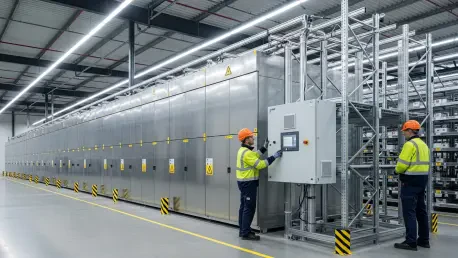

A single spark in a facility handling organic powders or chemical vapors can trigger a chain reaction that transforms an efficient logistics hub into a catastrophic scene within mere seconds. As global supply chains rely increasingly on high-density storage and rapid throughput, the risk of explosive atmospheres has grown alongside the sheer volume of materials being processed daily. ATEX regulations, comprised of two distinct European Union directives, provide the essential framework for controlling these hazards by mandating strict equipment standards and workplace safety protocols. These guidelines do not merely serve as a bureaucratic hurdle; they represent a sophisticated approach to risk management that considers the physical properties of substances and the mechanical behavior of equipment. By classifying environments based on the likelihood of an explosive atmosphere, facility managers can implement targeted safety measures that protect both personnel and infrastructure. This systematic categorization ensures that every motor, sensor, and light fixture is engineered to prevent ignition, even under fault conditions, maintaining operational continuity in high-risk zones.
Engineering Resilience: The Mechanics of Zone Classification
Effective risk mitigation begins with a granular analysis of the warehouse floor, where engineers distinguish between permanent hazards and occasional risks. In environments where flammable gases or dust are present, the division into zones—such as Zone 0 for constant presence and Zone 2 for rare occurrences—determines the level of protection required for all electrical and mechanical components. This rigorous zoning process forces organizations to evaluate their ventilation systems and dust extraction units to ensure that concentrations of volatile substances remain well below the lower explosive limit. Modern sensor technology plays a pivotal role here, providing real-time monitoring of atmospheric conditions and triggering automated shutdowns if dangerous thresholds are crossed. These systems must be intrinsically safe, meaning they operate with such low energy that they cannot generate a spark or heat up enough to ignite the surrounding air. Such precision in engineering ensures that the very tools used to monitor safety do not become the catalysts for a disaster.
The rapid integration of Autonomous Mobile Robots and automated storage and retrieval systems has introduced new complexities into the realm of explosive atmosphere safety. Unlike stationary machinery, mobile units transit through various zones, requiring a versatile approach to ATEX certification that accounts for changing environmental conditions. Manufacturers now design these robotic systems with sealed housings, pressurized enclosures, and non-sparking materials to ensure they meet the stringent requirements of Zone 1 or Zone 21 classifications. Integrating these advanced platforms involves a holistic review of the entire facility’s electrical grid and wireless communication infrastructure to prevent electromagnetic interference from compromising safety circuits. Furthermore, the use of lithium-ion batteries in these robots demands specialized thermal management systems to prevent runaway reactions in sensitive areas. By adhering to these rigorous standards, companies can leverage the efficiency of high-tech automation without compromising the fundamental safety of their workforce or the integrity of their inventory.
Sustaining Compliance: Maintenance and Training Protocols
Maintaining a safe warehouse environment requires more than just installing certified equipment; it demands a continuous commitment to rigorous inspection and preventive maintenance schedules. Specialized technicians must perform detailed examinations of all ATEX-rated components to identify wear, corrosion, or seal degradation that could potentially expose internal circuitry to the external atmosphere. These inspections are not merely suggestions but are legally mandated requirements that significantly influence a company’s insurance premiums and liability exposure in the event of an incident. Documentation serves as the backbone of this process, with digital logs providing a clear audit trail of every repair and modification made to safety-critical systems. This level of oversight ensures that the original safety integrity of the equipment remains intact throughout its operational lifecycle. Furthermore, the training of staff is equally vital, as workers must understand the nuances of the zones they operate in and the specific behaviors required to prevent accidental ignition.
The transition toward digitized and highly automated warehouse environments necessitated a fundamental shift in how explosive risks were managed through the lens of ATEX standards. Organizations that prioritized the early integration of these safety frameworks found themselves better positioned to adopt cutting-edge technologies without the need for expensive retrofitting. It was determined that the most successful implementations involved a combination of hardware redundancy and advanced software analytics to predict potential hazards before they manifested physically. Looking ahead, facility managers should consider conducting comprehensive site audits to identify areas where aging infrastructure might no longer meet the evolving ATEX criteria. Investing in modular safety systems allowed for greater flexibility as production needs changed, ensuring that safety remained a scalable asset rather than a static constraint. By formalizing these procedures and adopting a philosophy of continuous improvement, the industry established a benchmark for operational excellence.