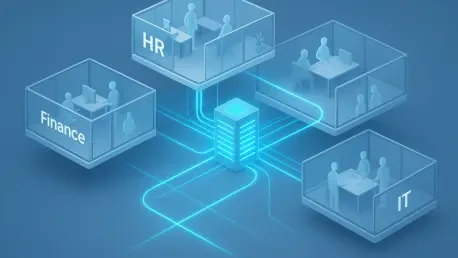

Integrating human resources data with finance and IT systems allows for more precise labor budgeting and the automated provisioning of software access for new employees. This technological convergence marks a departure from the siloed administrative functions of the past, creating a unified operational environment that mirrors the complexity of the global market. In the current economic landscape, where traditional employment models have been replaced by a hybrid mix of full-time staff, specialized contractors, and on-demand gig workers, the need for architectural flexibility has never been more pronounced. The emergence of elastic human resources technology provides the digital framework necessary to manage this fluid workforce without the friction inherent in legacy software. By leveraging a modular approach to talent management, organizations can now treat their human capital as a dynamic asset that can be scaled or reconfigured in real-time to meet fluctuating demand. This shift represents a fundamental reimagining of the corporate structure, moving away from rigid hierarchies and toward a more responsive, ecosystem-based model that prioritizes agility and continuous adaptation over static record-keeping.
The Historical Evolution: From Compliance to Intelligence
The history of human resources management can be viewed as a steady progression toward greater operational efficiency and predictive intelligence. In the earliest stages, HR was a purely traditional function, relying heavily on manual labor and physical paper records to manage the most basic aspects of employment. This era was characterized by a primary focus on compliance, payroll accuracy, and the maintenance of personal files, with almost no capacity for strategic planning or sophisticated data analysis. Organizations operated within stable, local markets where the workforce was largely static and the pace of change was manageable through standard administrative procedures. The limitations of this manual approach became evident as businesses began to expand globally, creating a demand for more robust systems that could handle the increasing volume of employee data and the complexities of diverse regulatory environments across different geographic regions.
As technology matured, organizations transitioned into the era of digitized systems, which replaced filing cabinets with electronic databases. This transition significantly increased the speed of administrative tasks, yet the underlying logic of the software remained focused on replicating paper-based processes in a digital format rather than reimagining the work itself. The subsequent introduction of cloud-based Human Capital Management platforms marked a major shift toward decentralization, allowing employees and managers to access services from any location. This supported the early requirements of a mobile workforce but still centered on managing static organizational structures. It was only with the recent integration of advanced analytics that the focus shifted toward data-driven management, where historical trends started to inform decision-making. Today, the move toward artificial intelligence represents the final stage of this evolution, where systems no longer just track the workforce but actively optimize it for future challenges.
The Core Foundations: Building Scalable Human Capital Systems
Dynamic scalability stands as the primary feature that distinguishes modern elastic systems from the rigid legacy software of previous decades. This capability ensures that the human resources technology stack expands or contracts in perfect synchronization with the current size and operational needs of the organization. In a climate where corporate growth can occur rapidly through mergers, acquisitions, or sudden market surges, the underlying technology must act as a support system rather than a restrictive bottleneck. This flexibility allows enterprises to onboard thousands of new workers across different continents while maintaining a consistent level of service and data integrity. Furthermore, scalability is not just about growth; it also involves the efficient contraction of resources during market downturns, ensuring that the organization remains lean and fiscally responsible without losing its core operational capabilities or institutional knowledge.
Modern HR operations are further defined by an intelligent layer that extends far beyond simple task automation. Instead of merely completing repetitive administrative cycles, these sophisticated tools provide real-time decision support to help professionals solve complex human capital problems. This evolution allows leaders to pivot away from low-value maintenance work and dedicate their expertise to high-level strategy, culture building, and talent development. By utilizing software that can handle the intricacies of document verification, regulatory reporting, and cross-border payroll, the enterprise gains a level of operational consistency that was previously unattainable. The goal is to create a frictionless environment where the digital infrastructure anticipates the needs of the business, allowing the human element of the workforce to focus on innovation and value creation in a highly competitive global marketplace.
The Technological Drivers: Cloud-Native Architectures and Connectivity
Cloud-native infrastructure serves as the essential backbone for global workforce mobility and rapid organizational scaling. Unlike older on-premise systems, cloud-native platforms utilize microservices that can be updated or modified independently without requiring the entire system to be taken offline. This architectural choice is critical for global companies that must maintain uniform corporate standards while simultaneously adapting to localized legal requirements, tax codes, and payroll cycles. The modular nature of these platforms means that new features, such as advanced sentiment analysis or updated recruiting modules, can be deployed instantly to keep pace with industry trends. This continuous delivery model ensures that the organization is always working with the most current tools, eliminating the costly and disruptive upgrade cycles that defined the software industry for the last twenty years.
The strategic use of Application Programming Interfaces is equally critical for connecting human resources technology with other vital enterprise systems, such as finance, operations, and IT. This deep level of integration allows data to flow seamlessly across the entire corporate ecosystem, ensuring that various departments are perfectly aligned in their objectives and resource allocation. For example, when a new talent acquisition is finalized, the IT department can be automatically triggered to provision hardware and software access, while the finance department receives an immediate update to the labor budget. This interconnectedness eliminates the manual entry of data and reduces the risk of errors that often occur when information is siloed in separate applications. By creating a unified digital environment, the organization achieves a higher degree of operational transparency, allowing leadership to see the direct relationship between human capital investment and overall business performance.
The Role of AI: Enhancing Workforce Intelligence and Foresight
Artificial intelligence serves as the central processing brain for the modern elastic human resources system, interpreting massive datasets to uncover hidden trends and correlations. It has the capacity to detect subtle patterns in employee behavior and engagement that a human observer might overlook, such as early indicators of burnout or the initial signs of organizational disengagement. By identifying these issues before they escalate, the system allows for early intervention and the implementation of more effective retention strategies. This proactive approach to talent management is a significant shift from the reactive models of the past, where leaders often only addressed problems after an employee had already decided to leave. The ability to monitor the organizational health in real-time provides a level of stability that is crucial for maintaining productivity in high-stress industries.
Predictive analytics are also being utilized to forecast future hiring requirements based on a combination of internal business growth targets and external market trends. By looking ahead, companies can avoid the intense stress of reactive hiring cycles and ensure that they have the necessary talent in place exactly when it is needed for a new project or expansion. This foresight is particularly valuable in specialized sectors where the competition for niche skills is high and the time-to-hire can be lengthy. Furthermore, sentiment analysis tools help the organization gauge the overall morale of the workforce by analyzing communication patterns and feedback in real-time. This provides leadership with a constant pulse on the company culture, allowing them to make informed adjustments to policies or management styles. The integration of these intelligent tools transforms human resources from a back-office function into a forward-looking strategic powerhouse.
The Digital Experience: Personalization and Conversational Interfaces
The introduction of generative intelligence and virtual assistants has brought conversational interfaces to the forefront of the modern workplace experience. These sophisticated tools provide continuous support to employees who may have questions regarding their benefits, career development paths, or specific company policies. By offering a 24/7 self-service model, organizations ensure that their global workforce has access to accurate information regardless of their time zone or location. For managers, these AI-driven assistants can summarize team performance data, suggest personalized development plans, and even offer advice on how to improve team engagement. This level of support reduces the administrative burden on human resources departments, allowing them to focus on more complex interpersonal issues that require a high degree of emotional intelligence and nuanced judgment.
Workforce simulation and predictive modeling allow executive leadership to test various future scenarios in a virtual environment before implementing them in the real world. Organizations can model the potential impact of a merger, a major restructuring, or a significant shift in technology through advanced “what-if” simulations. These simulations help the company transition from a reactive state to a highly proactive one, preparing the leadership team for a wide range of potential outcomes and market disruptions. By understanding the possible consequences of a strategic decision on the workforce, companies can design better change management programs and minimize the disruption to their operations. This data-driven approach to planning ensures that the organization remains resilient and capable of navigating the uncertainties of the global economy with a high degree of confidence and clarity.
The Enterprise Impact: Strategic Talent Acquisition and Planning
Elastic workforce planning shifts the traditional focus from fixed annual budgets to a model of continuous capacity management. Managers are now empowered to quickly identify teams that are underutilized and redeploy them to high-priority projects where their skills can generate the most value. This ensures that the cost of labor is always closely aligned with the most important strategic objectives of the business, maximizing the return on human capital investment. In a fast-moving environment, the ability to shift resources instantly is a competitive necessity, allowing the company to seize new market opportunities as they arise. This dynamic allocation of talent also provides employees with more diverse opportunities for growth, as they are often moved into different areas of the business to solve new and interesting challenges.
Intelligent talent acquisition further enhances this agility by using advanced algorithms to identify passive candidates and predict which individuals will be the most successful fit within the specific company culture. This changes the fundamental nature of recruitment from a manual search into a predictive science, resulting in significantly faster hiring cycles and better long-term retention rates. By analyzing the traits and performance of top-performing employees, the system can find external candidates who share similar characteristics, increasing the likelihood of a successful hire. This level of precision in recruitment is especially important when the organization is scaling quickly or looking for highly specialized technical expertise. By automating the initial stages of the search and vetting process, the talent acquisition team can spend more time building meaningful relationships with high-potential candidates.
The Skills Revolution: Continuous Learning and Development
A dedicated focus on the continuous revolution of skills allows organizations to launch targeted reskilling programs the moment a specific gap is identified within the workforce. As new technologies and methodologies change the way work is performed, keeping the internal talent pool relevant has become a top strategic priority for the modern enterprise. Elastic technology provides the granular data needed to ensure that employees are constantly learning the most valuable skills for their current and future roles. This proactive approach to development not only helps the company maintain its competitive edge but also increases employee engagement and loyalty. Workers who feel that their career progression is being actively supported and that they are being prepared for the future of their industry are much more likely to remain with their current employer over the long term.
Operational excellence in the areas of payroll and regulatory compliance is maintained through high levels of intelligent automation. When an employee’s status changes due to a promotion, a transfer, or a change in geographic location, the system can update payroll records and tax withholdings instantly without human intervention. This significantly reduces the risk of costly errors and ensures that the company remains in full compliance with the increasingly complex web of local and international labor laws. During major organizational shifts, such as a large-scale restructuring or a change in corporate strategy, elastic technology provides critical change management intelligence. Leadership can see exactly how different groups within the organization will be affected by the proposed changes, allowing for more transparent and effective communication. This data-driven strategy leads to smoother organizational transitions and much less disruption for the staff involved.
The Competitive Edge: Agility and Optimized Labor Costs
The ability to scale organizational capacity without requiring a linear increase in administrative headcount is a major strategic benefit for growing companies. By automating a high volume of routine tasks, the human resources team can remain small, agile, and focused on high-level strategic initiatives. This creates a highly efficient operational model where human expertise is applied only where it is most impactful, such as in leadership coaching, organizational design, and complex problem-solving. This efficiency directly contributes to the overall profitability of the enterprise by lowering the overhead costs associated with managing a large and diverse workforce. Furthermore, it allows the company to reinvest those savings into other areas of the business, such as research and development or market expansion, driving further growth and innovation.
Increased agility and resilience allow a modern company to respond to sudden market changes or competitive threats much faster than its peers. In a volatile and unpredictable economy, the ability to pivot the entire organization’s workforce strategy in a matter of days can be the primary difference between long-term success and failure. Elasticity ensures that internal processes and technological limitations never hold the organization back from seizing a new opportunity or responding to a global crisis. Additionally, improved employee engagement is a direct byproduct of the personalization and reduced friction found in these advanced systems. When workers feel that the technology they use daily is designed to support their success and simplify their lives, they are more productive and committed to the company’s mission. This leads to lower turnover rates and a more stable, knowledgeable, and motivated workforce.
The Implementation Journey: Overcoming Technical and Ethical Barriers
Transitioning to an elastic human resources model often involves navigating the challenges of legacy debt, where older software systems are not naturally compatible with modern cloud services. Many organizations still rely on fragmented databases and monolithic applications that were never designed to work with real-time APIs or advanced artificial intelligence. Modernizing these systems requires a carefully phased approach that prioritizes data migration and integration without disrupting the daily operations of the business. Companies must often invest in middleware or specialized integration platforms to bridge the gap between their old systems and the new agile framework. This technical transformation is a necessary step to unlock the full potential of workforce intelligence and to ensure that the organization remains competitive in a digital-first economy.
Data quality and governance represent another major hurdle for organizations moving toward an AI-powered workforce model. Artificial intelligence is only as effective as the quality of the data it uses for its learning and prediction processes; incomplete, outdated, or inaccurate records can lead to flawed recommendations and poor executive decision-making. Therefore, establishing strong data management practices and clear governance frameworks is a mandatory first step for any company embarking on this journey. Furthermore, ethical concerns regarding privacy and the potential for algorithmic bias must be addressed proactively to maintain the trust of the workforce. If an AI system is trained on biased historical data, it may inadvertently favor certain demographic groups or penalize others in hiring and promotion decisions. Organizations must implement transparent and explainable AI models to ensure that all decision-making processes remain fair, equitable, and legally defensible.
The Strategic Blueprint: Actionable Steps for Implementation
The shift toward a self-optimizing workforce model required a significant departure from traditional management philosophies and a deep commitment to technological modernization. Organizations that successfully transitioned to this framework initially prioritized the consolidation of their data sources into a single, unified platform. This foundational step ensured that every department was working from the same set of facts, which eliminated the confusion and errors associated with manual data entry and fragmented record-keeping. The implementation of robust API layers facilitated a seamless flow of information between HR, finance, and IT, allowing for the real-time provisioning of resources and more accurate labor budgeting. This integrated approach provided the transparency necessary for leadership to make informed decisions about resource allocation and strategic talent investments.
The development of advanced AI workforce agents marked a turning point in the management of the entire employee lifecycle. These specialized agents were tasked with handling everything from the initial recruitment and onboarding processes to ongoing learning, development, and performance monitoring. This automation created a friction-free experience for employees and a highly efficient operation for the company, where the administrative side of human resources gradually moved into the background. Leadership teams focused their efforts on becoming architects of organizational intelligence, using the predictive power of the system to anticipate future skills gaps and market shifts. The focus remained on building a resilient culture that embraced continuous learning and adaptation, ensuring that the workforce was always prepared for the challenges of a rapidly changing global economy. This proactive and data-driven strategy ultimately defined the success of the modern agile enterprise.