
The modern industrial supply chain is characterized by extreme volatility that often pushes fixed building footprints beyond their physical limits. This reality has forced a paradigm shift in how manufacturers and retailers perceive seasonal inventory overflow, which was once viewed strictly as an operational burden. In 2026, the complexity of global logistics means that a surplus of stock is frequently the result of proactive strategic moves, such as hedging against price hikes in raw materials like steel or electronics. Recent data from the U.S. Census Bureau indicates that the manufacturers’ inventories-to-sales ratio has hovered around 1.47, a clear signal that warehouses are fuller than ever before. To navigate this landscape, businesses must stop treating overflow as an emergency and start treating it as a predictable part of their growth cycle. By identifying the intersection between consumer demand and production schedules, companies can leverage storage constraints as a moment to optimize their entire logistical flow.
Transitioning from Reactive to Proactive Management
A successful strategy for managing seasonal overflow begins with the transition from a reactive posture to a proactive framework. Rather than waiting for the warehouse floor to become impassable, logistics managers in 2026 are utilizing advanced analytics to predict when stock levels will breach their physical limits. This shift requires a deep understanding of the variables that drive inventory surges, such as marketing cycles, raw material availability, and shifts in consumer behavior. By establishing a formalized response plan, companies can move quickly to secure additional storage assets before the peak season reaches its zenith. This foresight prevents the desperate scramble for space that often results in high-cost, short-term fixes that disrupt the broader supply chain. The goal is to create a seamless extension of the existing facility that maintains safety standards and labor efficiency throughout the duration of the inventory peak, ensuring that every square foot of the operation remains productive and organized.
Establishing a Strategic Framework: Key Variables
Establishing a strategic framework involves a structured evaluation of duration, accessibility, and budget. When an organization identifies a looming storage crisis, the first question must be how long the surplus is expected to persist. Temporary peaks driven by holiday surges require significantly different lease structures compared to extended periods of stock accumulation caused by raw material hedging or global trade fluctuations. Furthermore, the frequency of access is a critical logistical factor that many facility managers overlook during the initial planning phase. High-frequency items, which require constant retrieval by ground-level personnel, necessitate different site placements and configurations than items intended for deep, long-term storage. By conducting a thorough analysis of these specific operational requirements, a company can ensure that its storage strategy aligns with its overarching production goals. This level of detail helps avoid logistical bottlenecks that occur when high-turnover goods are buried in the back of a unit.
Avoiding Capital Traps: The Efficiency Factor
A disciplined approach also involves a rigorous analysis designed to avoid the “idle space” trap that often follows permanent warehouse expansions. Many organizations historically over-extended their capital by building new facilities to accommodate peak volumes, only to find those buildings sitting mostly empty once the seasonal demand subsided. In 2026, where real estate costs remain high and construction timelines are often delayed, such fixed-asset heavy strategies are increasingly difficult to justify. Instead, modern logistics managers are focusing on balancing the immediate costs of temporary on-site storage against the potential revenue losses incurred by a cramped facility. When aisles are congested, labor productivity drops significantly because workers spend more time maneuvering around obstacles than fulfilling orders. By integrating temporary modular units into the footprint, businesses maintained their efficiency levels while preserving capital for other strategic investments. This ensures the business remains lean and agile regardless of seasonal shifts.
Implementing On-Site Portable Storage Solutions
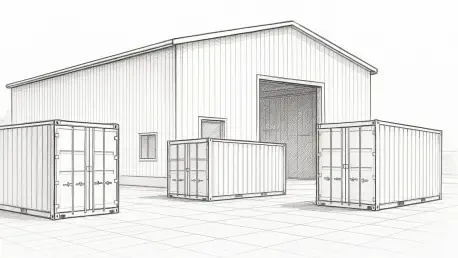
Implementing on-site portable storage solutions is the most direct method for alleviating pressure on a central distribution center. This approach allows a company to keep its inventory within arm’s reach, reducing the transportation costs and lead times associated with third-party logistics warehouses. In the competitive industrial sector of 2026, the speed of fulfillment is a primary differentiator, making it essential to have excess stock immediately available for pick-and-pack operations. Portable storage units, including high-cube containers and customized trailers, offer a level of flexibility that traditional buildings simply cannot match. They can be deployed within days and removed just as quickly once the overflow period has concluded. This rapid scalability is vital for manufacturers who may experience sudden, unexpected surges in demand or shipments of raw materials. By choosing the right mix of portable assets, a facility manager can effectively expand their usable square footage without the long-term commitment of a lease.
Evaluating Providers: Regional and Modular Excellence
Evaluating the capabilities of top-tier providers is essential for finding a partner that matches the specific needs of the operation. Companies like Eagle Leasing have established a strong presence in the Northeast and Midwest, specializing in regional density through dozens of branch locations. Their strength lies in providing high-utility assets such as 20-foot and 40-foot containers that function as direct extensions of a warehouse. For many manufacturers, the ability to customize these steel units with specialized lighting and internal shelving systems is a significant advantage. This level of localization allows a standard shipping container to be transformed into a highly functional workspace or an organized parts bin. Meanwhile, providers like WillScot focus on modularity and “configurable space,” offering climate-controlled environments that are essential for sensitive inventory. Having a provider with a wide geographic footprint ensures that delivery and pickup are handled with minimal disruption to the daily workflow.
Specialized Equipment: Catering to Diverse Needs
Specialized storage requirements often dictate the choice of provider, particularly for manufacturers dealing with perishable or temperature-sensitive goods. United Rentals leverages its massive industrial network to offer robust solutions such as refrigerated units and precision-engineered containers. These assets are vital for industries like pharmaceuticals or food processing, where environmental control is non-negotiable for product integrity. Beyond simple storage, these providers offer logistical support services, including professional placement and leveling of units, which is crucial in tight industrial yards. The variety of equipment available—from 10-foot containers for small urban sites to massive modular offices—allows for a truly customized approach to inventory management. Effective deployment is especially critical when a facility is already at 95% capacity and space for maneuvering a delivery truck is limited. By selecting a partner with a diverse fleet, a business can ensure that its most sensitive materials are protected against the elements and potential theft.
Operational Resilience and the Path Forward
In the preceding months of 2026, the most successful industrial leaders demonstrated that seasonal inventory overflow was a catalyst for innovation rather than a source of failure. They recognized that the ability to deploy flexible storage assets directly influenced their bottom line and employee morale. By establishing partnerships with diversified providers and prioritizing geographic proximity, these organizations avoided the pitfalls of congestion and safety hazards. The shift toward a hybrid storage model provided the necessary buffer to navigate price hikes and supply chain disruptions without compromising on delivery speed. Moving forward, the priority for logistics professionals must be the integration of real-time inventory tracking with on-demand storage deployment. This integration will likely involve the use of predictive analytics to trigger container deliveries before a warehouse reaches critical mass. The lessons learned from this year’s peak seasons showed that foresight and flexibility were the most valuable tools in the warehouse manager’s arsenal.