
When a manufacturer fails to provide a clear pathway for transferring device ownership, the hardware is effectively compromised and should be replaced for safety. This principle has become central to residential security in 2026, where moving into a new home involves as much digital reconfiguration as it does physical labor. Modern properties are now ecosystem-driven environments where thermostats, security cameras, and lighting systems are deeply integrated into a previous occupant’s personal cloud. The danger lies in the digital shadow left behind; without a formal ownership transfer, a former resident might still have the capability to view camera feeds or adjust door locks from a remote smartphone. This transition period represents a critical window of vulnerability that many homeowners overlook in the rush of relocation. Because there is no visible indication of whether a device is currently tethered to an external account, a zero-trust approach is required. Every piece of hardware must be treated as a potential surveillance tool until its digital history is completely purged and its ownership is verified.
Verification: Identifying and Vetting Inherited Smart Devices
The first step in establishing a secure living space involves a meticulous inventory of all Internet-of-Things hardware, from obvious voice assistants to more obscure sensors like smart leak detectors. Homeowners must systematically attempt to register each inherited device through the official manufacturer’s application to determine its current status. If the registration process is blocked because the unit is already linked to another user, it confirms that the previous owner’s account remains active. This digital tether is not merely a convenience issue; it is a profound privacy risk that grants an unknown party administrative rights over the home’s internal systems. In some cases, high-end smart homes feature centralized hubs that manage hundreds of data points, making it necessary to cross-reference the physical device list with the hub’s internal directory. This process ensures that no ghost devices remain on the network, quietly collecting data or providing a backdoor for unauthorized remote access.
Scrutinizing guest access and shared permission lists is equally vital, as these settings often survive even if the primary account is deactivated. Many smart ecosystems allow for secondary users, such as former contractors or housekeepers, who may still possess digital keys to the property. New residents should navigate the settings of every inherited platform to identify and prune any unfamiliar email addresses or profiles listed in the authorized users section. This level of diligence extends to checking for geofencing rules that the previous owner might have established. Such rules could automatically trigger physical changes in the house, like opening a garage door or disabling an alarm, based on the GPS location of a previous resident’s phone. By purging these automated routines, the new homeowner ensures that the house responds exclusively to their presence and commands. This phase of verification is essential for transforming a house from a shared digital space into a private, secure sanctuary for the current occupants.
Implementation: Finalizing Infrastructure Resets and Gateway Security
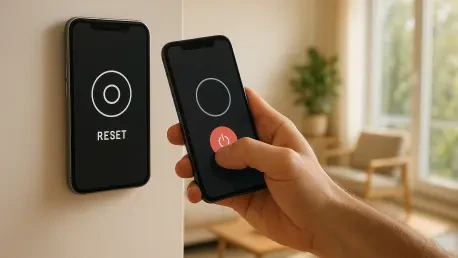
Executing a comprehensive factory reset on all critical infrastructure is the most effective way to ensure a clean slate for the home’s digital environment. For devices like smart locks, video doorbells, and interior cameras, a software reboot is often insufficient; a manual hardware reset is required to wipe local storage and revoke all cloud-based permissions. This process typically involves interacting with physical reset buttons to return the device to its out-of-the-box state, thereby deleting all saved facial recognition data, voice profiles, and biometric scans from the previous owners. For complex systems that include professional monitoring, the homeowner must confirm with the provider that the previous service contract was terminated and that no legacy credentials can access the monitoring dashboard. This physical-to-digital reset ensures that the current residents are the sole gatekeepers of their security data, preventing any accidental or malicious oversight that could lead to a breach of privacy or a lapse in home defense.
The transition into a secure smart home environment demanded a methodical approach that prioritized digital hygiene as much as physical protection. Successful homeowners recognized that the network router served as the most vital gateway, and they frequently chose to replace the unit entirely to eliminate any hidden configurations or persistent security vulnerabilities. By installing new hardware and establishing fresh encryption protocols, residents created a robust foundation for their connected ecosystem. Furthermore, legal safeguards became a standard part of the process, with buyers including clauses in closing documents to ensure sellers formally revoked all digital ownership before the keys changed hands. This holistic strategy addressed the complexities of property transfers, moving beyond simple lock changes to comprehensive digital reclamation. Ultimately, the industry moved toward standardized handover protocols that provided clear pathways for data erasure. These actions ensured that the smart home remained a private refuge, successfully ending the risk of residual access.