
The South African plastics manufacturing landscape is currently navigating a pivotal era where the traditional approach to workforce development has moved far beyond basic compliance to become the very foundation of industrial survival. In an environment defined by rapid technological shifts and fierce international competition, companies are discovering that their physical assets are only as effective as the people operating them. This realization has sparked a nationwide movement among manufacturers to prioritize human capital as a core strategic asset rather than an overhead expense. Industry leaders from organizations such as Plastics SA are actively championing this change, arguing that the only way to remain relevant in a global market is to cultivate a workforce that is both technically proficient and highly adaptable. By embedding continuous learning into the corporate culture, the sector aims to build a resilient ecosystem that can withstand economic fluctuations and take advantage of new manufacturing opportunities throughout the region.
Addressing the Strategic Risk of Knowledge Loss
One of the most pressing challenges currently facing the South African plastics industry is the looming departure of a generation of veteran technicians who hold the majority of the sector’s practical expertise. These seasoned professionals possess a deep, intuitive understanding of polymer behavior and machine nuances that cannot be easily captured in a standard operating manual or digital database. As these individuals approach the end of their careers, the industry faces a significant risk of institutional amnesia, where decades of accumulated problem-solving wisdom could vanish overnight. To counter this, forward-thinking plants are implementing structured knowledge-sharing initiatives that pair aging experts with younger apprentices in high-stakes production environments. This proactive approach ensures that the specific art of plastics manufacturing—knowing exactly how a resin reacts under varying thermal conditions—is passed down through direct mentorship rather than being lost to time.
In response to this demographic shift, the industry is transitioning away from sporadic, one-off training workshops toward more integrated and permanent development frameworks. These programs are designed to create a continuous pipeline of competency that sustains production quality even as personnel changes occur at the leadership and technical levels. By formalizing the transfer of skills, companies are essentially building a safety net that protects their operational integrity against the volatility of the labor market. This systematic method of development also fosters a culture of mutual respect between different age groups, as younger employees gain access to invaluable insights while veterans see their legacy preserved through a succeeding generation. Such strategies are not merely about filling empty roles; they are about maintaining the technical DNA of a company, ensuring that the precision required for high-grade plastic manufacturing remains consistent regardless of individual turnover.
Navigating Technical Shifts and the Green Economy
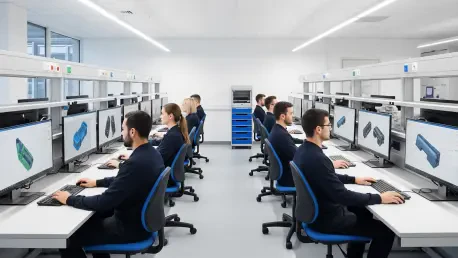
The modern factory floor in South Africa is no longer a place of simple mechanical repetition but has become a sophisticated hub of digital automation and data analytics. This technological evolution requires a new breed of worker who possesses hybrid skills, combining a traditional understanding of polymer science with the ability to manage complex software-driven systems. There is currently a critical shortage of specialized machine setters and thermoplastic welders who can operate within these high-tech environments while adhering to the rigorous quality standards demanded by global supply chains. As manufacturers invest in advanced robotics and Internet of Things integration, the gap between existing skills and future requirements continues to widen. To address this, training programs are being overhauled to include modules on digital literacy and real-time data interpretation, ensuring that operators can troubleshoot sophisticated equipment and optimize production cycles using the latest tools.
Compounding these technical challenges is the global shift toward a circular economy, which places immense pressure on the plastics sector to incorporate recycled materials into high-performance products. Processing recycled resins is significantly more complex than working with virgin materials, as variables like contamination and degraded polymer chains require a much higher degree of technical oversight. Workers must now understand the molecular implications of using post-consumer waste and how to adjust manufacturing parameters to ensure structural integrity and aesthetic consistency. This transition toward sustainability is driving a demand for specialized training in green chemistry and advanced material sorting technologies. By equipping the workforce with the knowledge needed to handle circular production models, the South African industry is positioning itself as a leader in sustainable manufacturing. This expertise helps companies meet strict regulations and opens up new markets for eco-friendly products.
Developing Integrated Pathways: Building a Sustainable Future
The South African plastics sector recognized that long-term stability required clear occupational learning pathways that offered employees a transparent roadmap from entry-level roles to leadership positions. This structural approach replaced fragmented training sessions with recognized qualifications that provided genuine upward mobility and professional recognition for the workforce. By identifying future trainers and technical leads several years in advance, manufacturers successfully implemented succession plans that treated human development as a top-tier corporate priority. These initiatives included digital outreach and open-house events that showcased the industry as a modern, clean environment suited for the next generation of engineers. These efforts ensured that the industry remained attractive to young talent, providing a steady flow of candidates into a sector that was once perceived as stagnant but had evolved into a centerpiece of the regional technological economy through dedicated investment.
The vision for industrial excellence relied on an integrated model that combined digital simulations with technical coaching and robust public-private partnerships. These efforts aligned educational standards with the practical requirements of modern plants, preparing the workforce for the realities of complex manufacturing. Ultimately, while automation changed the nature of the work, the sector prioritized skilled human judgment as its most valuable asset. The industry established a blueprint for resilience that focused on continuous evolution and the proactive empowerment of its people through specific certifications and hands-on exposure. By fostering a collaborative environment where academia and industry worked in tandem, South Africa created a sustainable model for workforce growth. This transformation proved that the key to overcoming global economic pressures lay in the ability to adapt human skills at the same pace as mechanical and digital innovation.