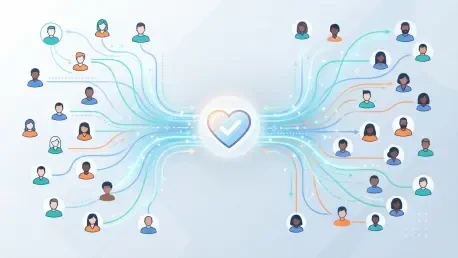

Shortening the feedback loop between employee sentiment and executive action requires a seamless flow of data between HR systems and survey tools. For years, HR professionals struggled with the fragmented nature of corporate data, where employee sentiment lived in one silo and official records, such as department codes or hire dates, resided in another. This disconnect often resulted in surveys that felt impersonal or required staff to manually re-enter information the company already possessed. In the current landscape of 2026, the demand for real-time responsiveness has reached a critical point where traditional manual data exports are no longer viable. Organizations now prioritize agility, seeking ways to connect qualitative voices with quantitative records to gain a complete picture of the workforce. By eliminating the friction of data silos, leaders can move away from generic strategies and toward targeted interventions that respect the specific needs of different employee groups across the global enterprise.
Seamless Connectivity: Integrating HR Data and Sentiment
Technical Infrastructure: The Role of Unified Platforms
The recent launch of dedicated integrations for Human Resource Information Systems has fundamentally changed how companies manage employee experience data. By partnering with the integration platform Merge, SurveyMonkey facilitated a direct link to major systems like BambooHR, allowing for a bidirectional flow of information. This technical bridge enables the automatic synchronization of workforce data, including hiring trends, departmental shifts, and turnover rates, with the qualitative feedback gathered through various surveys. Rather than treating an employee survey as an isolated event, this system integrates the feedback directly into the broader employee lifecycle. This approach ensures that the data used for analysis is always reflective of the current organizational structure. By leveraging a unified platform, HR departments can focus on interpreting results rather than performing the tedious manual tasks associated with stitching together disparate data sets from multiple unlinked software providers.
Operational Efficiency: Eliminating Manual Data Management
One of the primary strategic benefits of this integration is the significant reduction in administrative overhead for human resources professionals. By automating the synchronization process to occur every twenty-four hours, the system ensures that participant lists are always up to date without manual intervention. This automation is particularly valuable in high-growth companies where new hires join and departures occur on a frequent basis. Previously, keeping survey contact lists accurate was a labor-intensive process that was prone to human error, often leading to missed feedback or invitations sent to former employees. Now, the integration handles these updates seamlessly, allowing HR teams to launch surveys with the confidence that they are reaching the right people at the right time. This move toward automated data management represents a broader trend in the industry where technology handles the logistical burden, freeing human experts to engage in high-level strategy and cultural development.
Strategic Analysis: Leveraging Granular Insights for Growth
Targeted Interventions: Slicing Sentiment by Demographics
The ability to perform highly nuanced contextual analysis of employee responses is perhaps the most impactful result of connecting feedback with HRIS data. By pulling specific fields directly from the HRIS, such as job titles, geographic locations, and tenure, leadership can move beyond aggregate scores and identify localized cultural trends. For example, a decline in morale might be isolated to a specific regional office or a particular career level, rather than reflecting the entire organization. This level of granularity allows for the development of bespoke action plans that address the unique challenges of different workforce segments. Furthermore, the integration removes the need for employees to provide repetitive demographic information, which historically acted as a barrier to completion. By respecting the employee’s time, companies observe a marked increase in participation rates. This richer data set enables executives to make decisions with confidence, knowing insights are current.
Proactive Retention: Moving Beyond the Exit Interview
Shifting from a reactive to a proactive management style is a core theme of the current advancements in workforce analytics. Rather than waiting for exit interviews to understand why employees are leaving, leaders can now use real-time sentiment data to identify slipping engagement levels before they result in resignations. This transition transforms the HR function into a strategic partner that can perform active interventions based on data-driven triggers. When survey responses are linked to tenure and department data, patterns often emerge that highlight where additional support or leadership training is required. This proactive approach not only improves overall organizational health but also contributes to significant cost savings by reducing turnover and high recruitment expenses. By treating employee feedback as a continuous pulse rather than a snapshot, companies can foster a culture of transparency. This ensures every voice is heard in a context that makes feedback immediately useful for maintaining a stable work environment.
Actionable Strategies: Sustaining Long-Term Organizational Health
The successful implementation of automated HRIS integrations represented a shift from reactive observation to proactive organizational management. Organizations that adopted these tools moved away from static annual reviews and toward a continuous listening model that aligned with the pace of modern business. By ensuring that employee feedback was always connected to live workforce data, leadership teams were able to identify turnover risks and engagement gaps before they escalated into systemic issues. The key takeaway for executives was that data-driven decision-making required more than just collecting opinions; it required the infrastructure to make those opinions actionable in real-time. Moving forward, the focus turned to refining these data flows to include more diverse metrics, ensuring that the voice of the employee remained central to corporate strategy. To replicate this success, the first step involved auditing current data silos and prioritizing integrations that maximized human insights.