
The global automotive landscape has witnessed a dramatic shift where traditional showrooms and television commercials are no longer sufficient to capture the attention of a digitally native generation. BMW has recognized this evolution by aligning its highly anticipated Neue Klasse electric vehicle platform with the cultural juggernaut that is the Spider-Man franchise, creating a narrative that bridges the gap between high-performance engineering and heroic storytelling. This partnership is not merely a branding exercise but a strategic integration that leverages the iconic imagery of the Marvel universe to explain complex technological advancements. By positioning the new EV lineup alongside a character known for agility, intelligence, and a strong sense of responsibility, the German automaker is attempting to humanize the transition to electrification. The campaign represents a significant departure from conventional luxury marketing, focusing instead on themes of connectivity and urban navigation that resonate with modern metropolitan drivers.
Cinematic Strategy: The Synergy of Agility and Technological Innovation
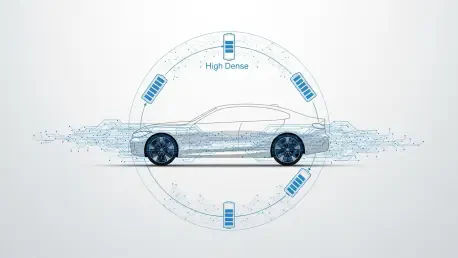
At the core of this collaboration lies a deep connection between the characteristics of the Spider-Man character and the fundamental pillars of the Neue Klasse architecture. Just as Peter Parker utilizes cutting-edge technology and enhanced reflexes to protect his environment, the latest BMW electric models utilize advanced software and high-density battery systems to provide a dynamic driving experience. This narrative synergy allows the automaker to showcase its new sixth-generation eDrive technology in a way that feels organic rather than purely technical or dry. The agility of the vehicles is highlighted through digital content featuring the hero navigating dense urban environments, mirroring the car’s precision handling and rapid acceleration. Furthermore, the integration of the vehicle’s operating system into the storyline suggests a future where the car is not just a tool for transportation but a sophisticated companion. This approach successfully reframes the electric motor’s silent power as a stealthy, efficient asset for the modern adventurer.
The implementation of this marketing strategy extended far beyond traditional media, utilizing augmented reality and interactive digital platforms to engage consumers in a multi-sensory journey. Users were invited to explore the interior of the Neue Klasse models through a specialized mobile application that projected the superhero’s holographic tech onto the vehicle’s minimalist dashboard. This immersive experience allowed potential customers to interact with the new BMW iDrive system, which features a Panoramic Vision display that spans the entire width of the windshield. By gamifying the exploration of the vehicle’s interface, the brand effectively lowered the barrier to entry for those unfamiliar with electric vehicle infrastructure. The campaign also featured a series of high-production short films that integrated the car’s safety features into high-stakes rescue scenarios, demonstrating the real-world utility of autonomous driving aids and 360-degree sensor arrays. This digital-first approach ensured that the message reached a global audience across various social ecosystems.
Brand Transformation: Impact on Market Perception and Future Mobility
Redefining the perception of luxury mobility was a primary goal for this ambitious project, moving away from the static opulence of the past toward a more dynamic and sustainable future. The Neue Klasse platform represents a total reimagining of how vehicles are built, emphasizing recycled materials and a circular economy that aligns with the hero’s mission to protect his world. By showcasing these eco-conscious innovations through the lens of a popular superhero, the brand managed to make sustainability feel exciting and aspirational rather than restrictive. This transition was particularly evident in the way the campaign highlighted the vehicle’s use of mono-materials, which simplifies the recycling process at the end of the car’s life cycle. Industry analysts noted that this strategy helped the company appeal to younger demographics who prioritize environmental impact as much as performance when making purchasing decisions. The partnership successfully positioned the electric transition as a bold leap forward in design philosophy rather than a forced response to regulation.
The collaboration between the Munich-based automaker and the iconic franchise established a new benchmark for cross-industry partnerships in the modern era. By the conclusion of the initial launch phase, the initiative successfully shifted consumer sentiment, demonstrating that high-end electric mobility could be both technically superior and culturally relevant. The campaign proved that storytelling is a vital component of technological adoption, providing a relatable context for the shift toward software-defined vehicles. Moving forward, the industry must recognize that success depends on integrating hardware with digital lifestyles and shared values. Manufacturers should consider how immersive narratives can demystify complex systems like solid-state batteries or autonomous driving. The lessons from this rollout suggested that automotive brands must evolve into tech-centric companies. This experience paved the way for integrated collaborations that prioritize emotional connection, ensuring that drivers remain engaged with the revolution in sustainable transportation.