
Introduction
The expansion of a retail empire often relies on invisible gears turning behind the scenes to deliver fresh food from farm to table with nearly surgical precision. Aldi has officially reached a significant operational milestone at its Bardon Distribution Center in Leicestershire, marking the transition into a high-tech era for fresh produce handling. As the largest automated warehouse in the United Kingdom, this facility is now tasked with managing the delicate logistics of fruits and vegetables using the most advanced systems available in the industry.
The objective of this article is to explore the technological and strategic significance of the Bardon hub, answering common questions about its scale and its role in the broader grocery market. Readers can expect to learn about the specialized automation used for perishables, the environmental standards of the facility, and how this investment supports the long-term growth of British retail operations. By understanding these components, one gains insight into the future of efficient, large-scale food distribution.
Key Questions or Key Topics Section
What Makes the Bardon Distribution Center a Milestone for British Retail?
Managing fresh produce requires a delicate balance of speed and temperature control to minimize waste and ensure quality. Traditional manual systems often struggle with the sheer volume required to supply a national network of stores, especially when dealing with items that have short shelf lives. The Bardon facility addresses these logistical hurdles by providing a massive, centralized hub that streamlines the movement of goods from suppliers to store shelves.
This site encompasses 1.3 million square feet, making it a colossus in the logistics sector and a centerpiece of a 500 million pound investment. It forms a critical part of a larger 1.6 billion pound commitment to UK operations through 2027. By integrating such scale, the retailer ensures that high-demand items like avocados and ginger are processed with minimal human intervention, reducing the time these items spend in transit and maximizing their availability for the consumer.
How Does the Facility Utilize Automation to Maintain Produce Quality?
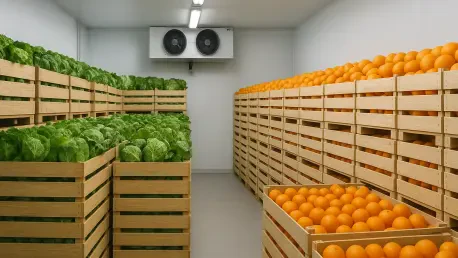
Perishables have a strictly limited shelf life, meaning every hour saved in the warehouse translates to an extra day of freshness for the customer. To manage this complexity, Aldi partnered with Cimcorp to implement sophisticated automation across three distinct temperature-controlled zones. This specialized environment includes dedicated spaces for bananas and chilled storage for items like carrots, ensuring each product type is kept at its optimal temperature.
High-bay racking and automated shuttles move more than 6,000 pallets every day within the facility. When the site reaches full capacity by 2027, it is expected to process over 1.5 million kilograms of produce daily. This level of precision ensures that the supply chain remains resilient, allowing for high-volume handling without the risks of damage or delay associated with manual sorting and picking processes.
In What Ways Does This Hub Contribute to Environmental Sustainability?
Large-scale industrial buildings are typically associated with high energy consumption and significant carbon footprints. However, modern logistics demands a shift toward more responsible infrastructure to meet corporate environmental goals. The Bardon site distinguishes itself by being the lowest carbon density warehouse within the Aldi South Group, setting a new standard for sustainable industrial design in the region.
The facility is powered significantly by renewable energy, featuring an impressive installation of 19,000 solar panels on its roof. This focus on green infrastructure aligns with a broader strategy to reduce the environmental impact of food distribution. By optimizing transport routes from a central, energy-efficient hub, the operation reduces fuel consumption and minimizes energy waste, proving that massive industrial scale can coexist with modern sustainability practices.
What Does This Investment Mean for the Future of the Grocery Market?
The grocery sector is increasingly competitive, with pricing and availability serving as the primary factors for customer loyalty. Significant infrastructure investments allow retailers to lower their operational costs over time, which can then be passed on to the consumer in the form of lower prices. This project supports an aggressive expansion plan to reach 1,500 stores across the United Kingdom while meeting rising demand for fresh goods.
There is a specific target to increase fruit and vegetable sales by 14% by late 2027, a goal that relies heavily on the efficiency of the Bardon hub. The site eventually supports approximately 1,000 employees, blending human expertise with robotic efficiency to manage nearly seven million pallets annually. This strategic pillar ensures that the company remains a dominant force in the market by maintaining a lean and highly effective supply chain.
Summary or Recap
The Bardon facility stands as a testament to the power of automated logistics in the modern grocery era. It successfully integrates massive scale with environmental consciousness and technological precision to solve the unique challenges of fresh food distribution. The primary takeaway is that the future of retail depends on the ability to move perishable goods rapidly and sustainably through a digitized supply chain.
By centralizing operations in such a sophisticated hub, the retailer secures its ability to offer high-quality produce at competitive prices. This development serves as a blueprint for how automation can enhance food security and operational efficiency. Those interested in the intersection of technology and commerce should look toward these types of investments as the new benchmark for excellence in the global logistics industry.
Conclusion or Final Thoughts
The establishment of the Bardon distribution hub demonstrated that long-term infrastructure investments were essential for stabilizing food supply chains in a volatile market. It proved that sustainability and industrial efficiency did not have to be mutually exclusive goals for large-scale operations. Stakeholders looked toward these technological advancements as a necessary evolution for meeting the rising consumer demand for high-quality, affordable fresh food.
This transition into automated produce handling offered a clear vision of how specialized technology could reduce waste and improve the shelf life of everyday essentials. The project reflected a broader commitment to innovation that balanced economic growth with environmental responsibility. Moving forward, the industry considered how similar levels of automation could be implemented across various sectors to further refine the speed and reliability of global commerce.