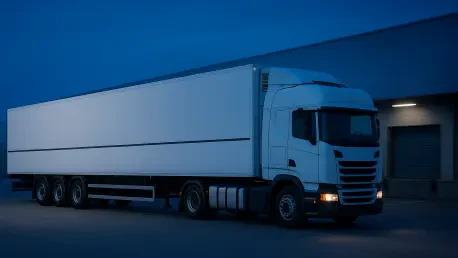

The global cold chain is currently undergoing a radical transformation as logistics providers move away from traditional single-level hauling toward high-capacity double-deck refrigerated trailers that offer unparalleled volumetric efficiency. This shift is not merely a matter of adding space but involves a sophisticated re-engineering of how temperature-controlled goods move through the supply chain. By stacking pallets on two levels, operators can effectively double their load capacity, which directly addresses the mounting pressure of rising fuel costs and the urgent need for carbon reduction.
This evolution represents a significant leap from the static shelving systems of the past. Modern double-deck technology allows for the transport of up to 54 pallets in a single trip, a feat that once required two separate vehicle movements. As the industry moves deeper into the 2026-2029 operational cycle, the focus has shifted toward refining the thermal performance and structural durability of these high-volume assets.
Core Components and Technical Features
Moving Deck Systems and High-Capacity Engineering
The heart of the modern double-deck trailer lies in its moving deck mechanism, which allows the secondary floor to be raised or lowered to accommodate different cargo heights. This flexibility is essential for mixed-load operations where pallet dimensions are rarely uniform. Manufacturers like Tiger Trailers have pioneered reinforced chassis designs that support the immense weight of a fully loaded second tier without compromising the vehicle’s center of gravity or overall road safety.
Engineering these trailers requires a delicate balance between weight and strength. High-tensile steel and lightweight composites are used to keep the unladen weight low, ensuring that the additional payload capacity does not lead to frequent axle overloads. The hydraulic lifting systems are now more robust than ever, featuring synchronized controls that ensure the deck remains level during operation, preventing cargo shifts that could jeopardize the structural integrity of the trailer walls.
Advanced Temperature Control and Refrigeration Units
Maintaining a consistent thermal environment across two separate levels is a complex thermodynamic challenge. Systems such as the Thermo King A500 have been optimized to handle the specific airflow requirements of a double-deck configuration. Unlike standard trailers, these units must push cold air through specialized ducting to ensure the lower deck receives the same cooling intensity as the upper tier, preventing “hot spots” that could spoil perishable goods.
Performance metrics for these units focus on pull-down speed and fuel efficiency. By utilizing variable-speed compressors and electronic throttling valves, the refrigeration system can adjust its output based on the exact needs of the load. This precision is vital for the pharmaceutical sector, where even a one-degree deviation can result in the loss of high-value shipments. The integration of telematics allows for real-time monitoring of both decks, providing an audit trail for quality assurance.
Innovations and Emerging Trends in Fleet Procurement
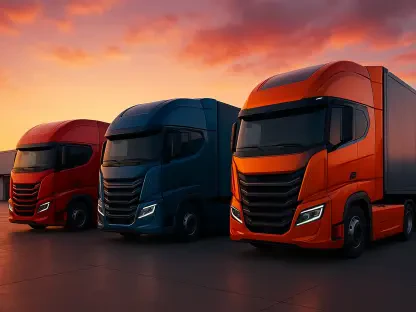
The logistics landscape is currently favoring integrated procurement strategies that pair high-capacity trailers with fuel-efficient tractor units. A prominent example is the combination of double-deck trailers with the Renault Trucks T480, a vehicle designed for low total cost of ownership. This “smart procurement” approach looks at the entire vehicle combination as a single aerodynamic and mechanical entity, rather than separate components, to maximize every drop of fuel.
Industrial partnerships are also evolving, with fleet operators working closely with manufacturers to create bespoke vehicle specifications. These collaborations ensure that the trailer dimensions are optimized for specific regional infrastructure, such as loading dock heights and bridge clearances. By involving manufacturers early in the fleet planning process, companies can secure long-term maintenance contracts that guarantee maximum uptime for these specialized and high-value assets.
Real-World Applications and Sector Impact
In the United Kingdom, Romac Logistics has set a benchmark for high-volume retail distribution by deploying a massive fleet of 100 double-deck trailers. These vehicles are primarily used for “trunking” operations, which involve moving large quantities of goods between major distribution centers. By utilizing a 54-pallet configuration, the company has drastically reduced the number of individual vehicle movements required to restock supermarkets, effectively streamlining the entire temperature-controlled network.
The impact of this technology extends beyond simple logistics efficiency. It has allowed retail chains to centralize their distribution hubs, as the lower cost per pallet moved makes longer-distance transport more economically viable. Furthermore, the reduction in vehicle movements has a direct positive impact on local traffic congestion and air quality, making it a preferred solution for companies under intense environmental scrutiny.
Operational Challenges and Mitigation Strategies
Despite the obvious benefits, operating double-deck trailers introduces unique technical and regulatory hurdles. The height of these trailers, often reaching over 16 feet, restricts them to specific routes to avoid low bridges and overhead obstacles. Additionally, the increased weight of the second deck and its cargo requires meticulous management of axle loads. Operators must utilize advanced weighing systems to remain compliant with strict road regulations and avoid heavy fines.
To mitigate these risks, manufacturers are increasingly integrating telematics and route-planning software that is specifically tailored to high-clearance vehicles. Drivers are trained in specialized loading techniques to ensure the weight is distributed evenly across all axles. Furthermore, the industry is seeing a push toward lightweight refrigeration power sources, such as electric or hybrid units, to offset the weight of the trailer’s internal decking machinery.
Future Outlook and Technological Trajectory
The future of refrigerated transport is moving toward full electrification and increased automation. We are likely to see the widespread adoption of axle-mounted generators that capture energy during braking to power the refrigeration unit, eliminating the need for diesel altogether. Breakthroughs in “smart decking” will likely include automated loading systems that sync with warehouse robotics to speed up turnaround times and reduce the risk of human error during complex loading sequences.
As the industry moves toward net-zero targets, the ability of double-deck trailers to move more cargo with a smaller carbon footprint will make them an essential component of the global supply chain. We can also anticipate the development of modular decking systems that can be easily reconfigured or removed, allowing a single trailer to serve multiple roles throughout its operational life.
Summary and Final Assessment
The integration of double-deck technology successfully reshaped the logistics landscape by proving that sustainability and high-volume throughput were not mutually exclusive goals. Logistics providers that invested in these specialized trailers saw a marked improvement in their operational resilience and a reduction in the total cost per pallet moved. The strategic shift toward moving decks facilitated a more adaptable fleet that handled varying load profiles with minimal downtime.
The partnerships between vehicle manufacturers and logistics firms established a new standard for fleet scalability. The focus on aerodynamic efficiency and advanced thermal management ensured that the industry met its immediate environmental obligations while preparing for a more automated future. Ultimately, the adoption of these high-specification trailers provided the necessary infrastructure to support the growing demands of modern commerce in an increasingly carbon-conscious world.