
CEO Sam Altman argues that concentrating scarce resources like DRAM within cloud data centers is essential for maximizing the efficiency of AI technology. This technical assertion serves as the backbone of a newly launched strategic initiative by OpenAI, arriving just as the dust settles from the latest U.S. midterm elections. Led by Chief Global Affairs Officer Chris Lehane, the company is embarking on a comprehensive public relations and policy campaign designed to recalibrate the regulatory landscape and public perception of artificial intelligence. This push comes at a critical juncture, as the organization looks toward the 2028 presidential election as a defining moment for the future of synthetic intelligence. By positioning itself as a proactive leader in the safety space, the company hopes to secure a favorable environment for growth while addressing the concerns of lawmakers who remain wary of the rapid pace of technological advancement today in the US.
Establishing a Federal Framework for Safety
Implementation of Mandatory Speed Limits
A core component of this strategic outreach involves the introduction of “speed limits,” which are mandatory safeguards intended for the most advanced frontier models. These regulations seek to ensure that human operators maintain meaningful control over technology as its capabilities grow beyond current benchmarks. OpenAI plans to press Congress more aggressively on these specific safeguards, advocating for a federal framework that balances the need for rapid domestic innovation with the requirements of national security. This approach represents a shift from general self-regulation toward a more structured, legally binding environment that could define how AI is developed through the end of the decade. By championing these standards, the company aims to move past the ambiguity of the current legal climate, providing developers with clear boundaries that facilitate investment. This effort is not just about safety but about creating a predictable marketplace for all of the industry.
Global Governance and Democratic Values
Beyond the domestic legislative push, the campaign emphasizes the establishment of global AI standards that are rooted firmly in democratic values. The leadership argues that the United States must take a definitive lead in defining the international rules of engagement for the industry to prevent a fragmented or adversarial regulatory environment. This involves deep collaboration with international bodies to ensure that ethical oversight remains a priority as hardware capabilities expand. By focusing on high-level policy, OpenAI intends to bridge the gap between technical efficiency and the global geopolitical struggle for technological supremacy. The strategy suggests that without American leadership, the vacuum will be filled by frameworks that may not prioritize individual liberties or safety protocols. Consequently, the company is intensifying its lobbying efforts to ensure that the technological foundations are built upon a consensus that favors transparency and security in the long run.
Infrastructure Rebranding and Community Engagement
Transitioning to Compute Campuses
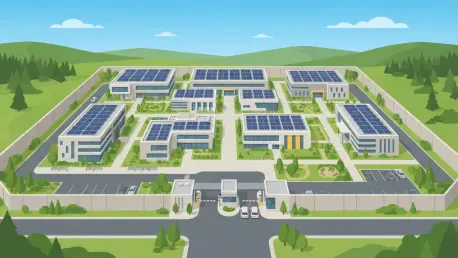
To address growing domestic skepticism regarding the environmental footprint of large-scale technology, the company is implementing a significant rebranding effort for its physical assets. The familiar term “data center” is being phased out in favor of “compute campuses,” a shift intended to convey the massive scale and transformative economic role these facilities play within their host regions. This change is far from cosmetic; it is a calculated response to public concerns about resource consumption and the perceived isolation of tech infrastructure. By framing these facilities as campuses, the company highlights their role as centers of innovation and employment rather than mere warehouses for servers. This narrative shift aims to normalize the presence of massive AI infrastructure in rural areas, presenting them as essential engines of the modern economy. The objective is to secure long-term public support for the expansion of the physical grid required for training next models.
Local Legislation and Community Compacts
Complementing the rebranding was the introduction of “community compacts” and proposed state-level legislation designed to give local residents a voice in construction projects. These measures were crafted to ensure that host communities received meaningful economic benefits, such as grid improvements and job training programs, in exchange for hosting these large-scale operations. This grassroots approach reflected a broader consensus within the organization that widespread adoption required both federal safety boundaries and a localized sense of ownership over the technology’s physical presence. Looking back, it became clear that the success of the initiative depended on its ability to integrate high-level lobbying with genuine community outreach. By offering concrete solutions to local concerns, the company successfully fostered an environment where technological growth was seen as a collective benefit. These actions established a precedent for how future projects could navigate the public need easily.