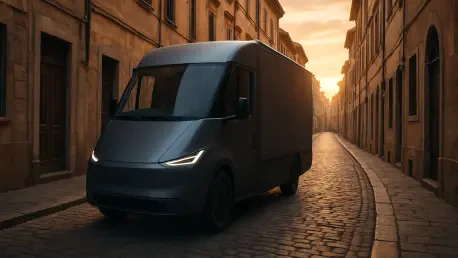

The rhythmic hum of a precision-engineered electric truck gliding through the narrow cobblestone streets of Warsaw signals a quiet but profound shift in the way the global population receives its essential packages. The traditional image of a delivery driver simply dropping a parcel at a doorstep is becoming obsolete in an era where global commerce moves at the speed of a click. The recent Geopost Delivery Excellence Challenge in Warsaw served as a microcosm of this transformation, proving that modern delivery is no longer just about speed. It has become a high-stakes discipline where technical precision, environmental stewardship, and human safety intersect to redefine excellence on the open road.
Beyond the Last Mile: A New Paradigm in Logistics
The operational backbone of the logistics industry is undergoing a radical shift that extends far beyond the final few yards of a journey. Modern delivery standards now require a blend of athletic physical readiness and data-driven navigation to meet the pressures of a 24-hour economy. By hosting an international competition that simulated high-pressure urban scenarios, Geopost demonstrated that the role of the driver is being elevated into a specialized craft that demands both mental acuity and physical resilience.
The Convergence of Global Demand and Local Responsibility
As international logistics swells to 2.2 billion parcels annually at Geopost, supply chain pressure has reached a boiling point. The industry faces a critical crossroads where rising consumer expectations for rapid fulfillment must be balanced against the urgent need for carbon neutrality and workforce protection. This evolution matters because the standards set by industry leaders ripple through the global economy, influencing urban planning, environmental policy, and the labor standards of millions of professionals worldwide.
Decoding the Pillars of Delivery Excellence
Geopost’s approach treats safety as a proactive discipline. Participants are evaluated on pre-trip warm-ups and inspections, ensuring driver well-being is prioritized. Under the leadership of Marie-Ange Debon, the organization integrated ergonomic initiatives into the daily workflow to mitigate physical strain. Driving in modern cities requires skills akin to an elite athlete, testing precision and emergency response.
Sustainability is now a core metric of performance. The shift toward eco-driving—characterized by smooth acceleration and road anticipation—is mandatory for the modern professional. For the first time, Geopost utilized an entirely electric fleet for its challenges, including long-distance trucks. This focus on driver behavior as a primary tool for carbon reduction is central to reaching Net Zero emissions by 2040.
Perspectives From the Frontline of Innovation
Chairwoman and CEO Marie-Ange Debon highlighted that the commitment to health and safety is a strategic investment in the longevity of the workforce. By prioritizing preventative measures, the organization aims to protect both the mental and physical health of its drivers, recognizing them as the essential face of the brand. These insights offer a blueprint for an industry where technical skill is inseparable from corporate values and worker longevity.
The recognition of winners like Phil Coulter and Mathias Klingebiel underscores a vital truth: the most efficient drivers are also the most environmentally responsible. Their success demonstrated that high-performance logistics and low-carbon footprints are mutually reinforcing goals. These champions proved that mastery over a heavy vehicle requires a delicate touch that honors both the tight delivery schedule and the health of the planet.
Implementing the Geopost Framework for Modern Logistics
To replicate these high standards, logistics organizations and individual professionals adopted a structured framework focused on holistic performance. They standardized pre-trip preventive measures by moving beyond basic checklists and incorporating physical readiness routines. This strategy ensured drivers remained physically prepared for the unique demands of the road, which reduced workplace injuries and enhanced focus behind the wheel. Organizations also prioritized the transition to electric and eco-centric fleet operations for both short-haul and long-distance transport.
They coupled this hardware transition with software and training that tracked eco-driving metrics to ensure the fleet operated at maximum energy efficiency. By fostering a culture of continuous professional competition, they used international challenges and internal certifications to reward excellence. These entities recognized safety and sustainability as prestigious achievements, driving a bottom-up commitment to higher delivery standards that stabilized the global supply chain. Ultimately, this approach provided a clear roadmap for stabilizing global commerce while protecting the environment.