
The cobblestone streets of Milan and the historic corridors of Rome are witnessing a major transformation as venture capital firms redirect billions of euros from traditional industrial staples toward high-stakes technological frontiers. This shift is not a mere trend but a fundamental restructuring of the Italian economy, which has long been defined by its small-to-medium enterprise backbone and artisanal manufacturing. In the current landscape of 2026, the Italian venture capital market has matured significantly, moving beyond a fragmented ecosystem to become a cohesive engine for digital sovereignty. Major players like CDP Venture Capital have spearheaded initiatives that bridge the gap between institutional stability and startup agility. Consequently, the nation is positioning itself as a hub for specialized technologies that leverage Italy’s historical strengths in design and precision engineering, now enhanced by the power of predictive algorithms and sustainable material science for global competitiveness in an increasingly digital world.
Strategic Investments: Bridging Artificial Intelligence and Green Technology
Large-scale investments are currently flowing into startups that develop sovereign large language models specifically designed for the nuances of Italian industry and administrative sectors. For example, firms are prioritizing platforms that integrate computer vision into high-end fashion manufacturing, allowing brands like Gucci to automate quality control while maintaining the hallmark of excellence. This integration of artificial intelligence is not limited to software; it extends into robotics where Italian engineering heritage provides a unique competitive edge. Venture capitalists are moving away from general-purpose consumer applications to focus on industrial AI that addresses the demographic challenges of a shrinking workforce. By funding enterprises that specialize in edge computing and predictive maintenance for machinery, investors are ensuring that the core of Italy’s export economy remains globally competitive in an increasingly automated and data-driven global marketplace today.
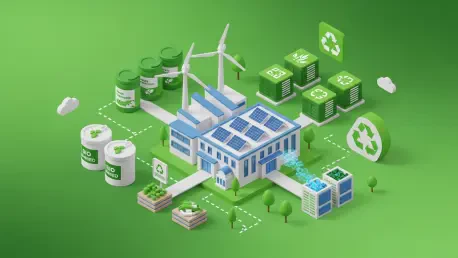
Parallel to the digital revolution, the Italian venture capital space is experiencing a surge in climate-tech and circular economy investments, driven by European Union mandates and a shift in consumer behavior. Startups focusing on long-duration energy storage, such as CO2-based battery systems, are receiving substantial backing from funds looking to solve the intermittency issues of renewable energy. This focus on sustainability extends deep into the agricultural sector, where precision farming and bio-based fertilizers are being deployed to protect the nation’s rich viticulture and olive production from climate impacts. Investors are no longer treating environmental, social, and governance criteria as a secondary compliance checkbox but as a core component of their financial risk assessment. By backing companies that innovate in waste-to-value technologies and sustainable packaging, venture capital is playing a pivotal role in de-risking the green transition for traditional businesses.
The evolution of the Italian investment landscape successfully demonstrated that aligning financial capital with societal challenges was the most effective path toward long-term resilience. Investors who prioritized cross-sector collaboration between traditional manufacturing and agile tech firms found the greatest success in navigating the complexities of 2026. Moving forward, it was clear that founders needed to emphasize demonstrable scalability and hardware-software integration to capture the attention of tier-one funds. The strategic focus shifted toward building interconnected ecosystems rather than isolated unicorns, ensuring that innovation permeated every level of the domestic value chain. Leaders in the space advocated for increased transparency in carbon reporting and the adoption of decentralized energy models as standard practices. These efforts ultimately laid the groundwork for a more diversified and technologically advanced economy that balanced its heritage with the demands of a sustainable future.