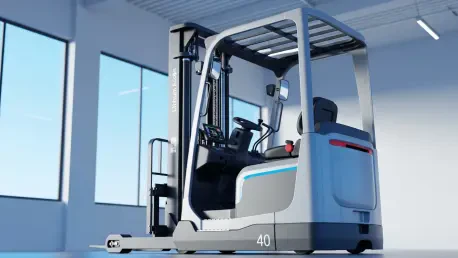

The sudden shift toward integrated lithium-ion systems in industrial machinery marks a definitive end to the bulky, boxy designs that have dominated warehouses for decades. For years, the physical constraints of lead-acid battery packs forced engineers to design forklifts around a massive central weight, sacrificing operator comfort and spatial efficiency in the process. However, the introduction of the Linde Ei model series demonstrates that moving away from these legacy power sources allows for a fundamental reimagining of the forklift architecture. By integrating the energy source directly into the chassis, designers have moved past the era of simply swapping one battery type for another and have instead embraced a purpose-built electric platform. This evolution addresses the growing demand for machinery that can handle load capacities between 1.4 and 2.0 tons while maintaining a compact footprint that thrives in high-density storage environments. This technical transition signifies a broader movement toward energy systems that are as versatile as the vehicles they power.
Engineering for Operator Comfort and Accessibility
The elimination of the traditional battery compartment serves as the primary catalyst for a dramatic improvement in operator ergonomics, particularly regarding the available workspace within the cabin. Without the need to accommodate a swappable battery box, the internal layout of the Linde Ei series provides approximately 35 percent more legroom than previous generations of electric forklifts. This additional space is not merely a luxury; it significantly reduces the physical fatigue associated with long shifts, allowing operators of various heights to find a natural and comfortable seating position. Furthermore, the redesigned chassis allows for a remarkably low entry step of just 40 centimeters, which represents a class-leading achievement in reducing the repetitive strain on drivers who must mount and dismount their vehicles hundreds of times per day. These changes suggest that the integration of power systems is as much about human-centric design as it is about electrical engineering.
Safety and visibility are intrinsically linked to this new design philosophy, as the slimmer profile of the integrated system allows for a more streamlined mast and overhead guard structure. When the energy storage is no longer a bulky obstacle, the driver line of sight to the fork tips and the surrounding warehouse environment improves substantially, which is critical for preventing collisions in narrow aisles. The inclusion of standard safety systems, such as Linde Curve Assist, further complements this physical redesign by automatically adjusting speed during turns based on the steering angle. Additionally, the Linde Load Assist system provides real-time monitoring of lift heights and load weights to prevent tipping, ensuring that the enhanced performance of the 48-volt drive system does not come at the cost of operator safety. By combining structural visibility with active electronic safeguards, the industry is moving toward a standard where technology actively compensates for human error.
Maximizing Uptime through Energy Flexibility
The transition to integrated lithium-ion technology effectively dismantles the operational bottlenecks associated with traditional lead-acid battery maintenance and charging protocols. In the past, companies were forced to invest heavily in dedicated, ventilated battery rooms to manage the hazardous gases produced during charging, but the Ei series requires no such infrastructure. These maintenance-free energy systems support opportunity charging, which enables operators to plug in their vehicles during short breaks or shift changes to maintain a consistent state of charge throughout the day. This capability is particularly transformative for logistics hubs operating on a two-shift basis, as it eliminates the need for time-consuming battery swaps and the expensive inventory of spare batteries. By treating the forklift more like a modern mobile device that is charged as needed, facilities can streamline their workflows and redirect the floor space previously reserved for battery rooms toward revenue-generating storage.
Performance in challenging environments remains a key differentiator for these integrated systems, as evidenced by their ability to operate reliably in temperatures as low as minus 20 degrees Celsius. This resilience makes the new series an ideal choice for cold storage applications where traditional battery performance often degrades rapidly due to the extreme thermal stress. The vehicles utilize sophisticated asynchronous motors and a 48-volt drive system to ensure that the power delivery remains consistent even when moving heavy loads in refrigerated zones. Moreover, the lack of moving parts and the sealed nature of the lithium-ion cells reduce the overall maintenance requirements, leading to lower total cost of ownership over the vehicle lifespan. As industrial operations become more specialized, the demand for versatile machinery that can transition seamlessly between ambient and sub-zero environments without losing efficiency is driving the adoption of these permanently integrated energy solutions.
Connected Infrastructure: The Digital Shift
As part of the digitally connected 12XX generation of hardware, these forklifts function as sophisticated data hubs that provide fleet managers with unprecedented visibility into their daily operations. Through integrated wireless data transmission, performance metrics and error codes are sent directly to management software, allowing for proactive maintenance scheduling before a component failure leads to downtime. This connectivity extends to over-the-air software updates, which enable the vehicles to receive the latest system optimizations and functional improvements without the need for a technician to visit the site. Such a shift toward software-defined hardware means that the forklifts can evolve over time, adapting to new warehouse management protocols or safety regulations as they are introduced. This digital integration ensures that the investment in new equipment remains relevant and productive throughout its entire service life in a rapidly changing technological landscape.
The implementation of integrated battery technology demonstrated that the traditional separation of the vehicle and its energy source was a limitation rather than a necessity. Companies that adopted these specialized electric platforms realized significant gains in both floor space efficiency and operator health, validating the move away from legacy lead-acid systems. Moving forward, logistics providers should evaluate their existing infrastructure to determine how the elimination of dedicated charging rooms could facilitate facility expansion or workflow reconfiguration. Strategic investments in connected fleet management systems will become essential to fully leverage the data provided by these new vehicle generations. It is also recommended that organizations prioritize training for maintenance staff to handle the shift from mechanical battery swaps to electronic diagnostics and software-managed energy systems. By embracing these integrated solutions, the industry secured a path toward a more sustainable and ergonomic future in material handling operations.