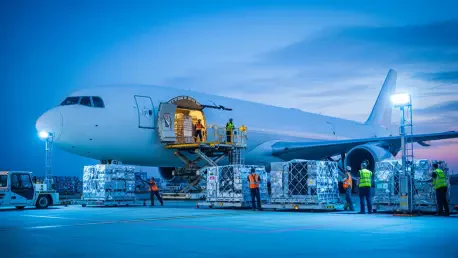

A single grounded freighter or a missed connection in the global logistics network can now trigger a chain reaction that destabilizes quarterly earnings and erodes investor confidence in ways that were previously overlooked by the C-suite. While corporate risk management strategies traditionally focused on volatile currency markets or geopolitical shifts, the integrity of the aviation ecosystem has emerged as a primary variable for maintaining operational continuity. In a landscape where high-value components and perishables travel across continents in hours, even a minor safety-related delay can halt production lines thousands of miles away. This shift reflects a maturing understanding that aviation safety is no longer just a technical department’s concern but a central pillar of corporate resilience. Executives are beginning to realize that the reliability of their air transit partners is just as vital as their digital security, forcing a total reassessment of how safety protocols intersect with the bottom line.
Phase 1: Identifying the Economic Consequences of Flight Delays
The financial burden of a safety incident extends far beyond insurance claims or mechanical repair bills, often manifesting in the form of liquidated damages and long-term brand erosion. When an aircraft is sidelined due to a procedural oversight, the immediate impact on just-in-time manufacturing schedules can be catastrophic, leading to missed delivery windows that jeopardize high-value contracts. These disruptions create a ripple effect, forcing logistics managers to seek expensive alternative shipping methods on short notice, which further squeezes profit margins and complicates inventory management. By viewing aviation safety through the specific lens of business continuity, leadership teams can better appreciate how a robust system prevents cascading failures. This perspective shifts safety from a line-item expense to a protective mechanism for the bottom line, ensuring that the movement of goods remains predictable despite the inherent complexities of air travel.
Phase 2: Protecting the Bottom Line Through Systematic Safety
Implementing a comprehensive Safety Management System serves as an essential buffer against the unpredictability of international commerce. Such systems are designed to identify latent hazards before they manifest as active failures, providing a structured approach to risk that aligns with broader corporate governance goals. For businesses that rely on air freight for their core operations, the maturity of a carrier’s safety culture is a direct indicator of their reliability as a partner in the supply chain. Organizations that prioritize these systems ensure that safety protocols are not just regulatory checkboxes but are integrated into the daily workflow of every employee involved in transit. This holistic approach reduces the frequency of minor procedural delays that, while individually small, can aggregate into significant annual losses. Ultimately, a well-executed safety strategy provides the stability needed to navigate the margins of the marketplace without fear of sudden disruption.
Phase 3: Analyzing Current Trends in Procedural and Ground Safety
Recent data analysis from various safety reports indicates that the most significant threats to modern aviation stability often stem from routine procedural errors rather than catastrophic mechanical failures. These seemingly minor lapses in protocol act as catalysts for larger disruptions, highlighting the critical need for strict adherence to established rules across all levels of operation. Vulnerabilities are frequently overlooked during standard day-to-day activities until they result in a tangible and costly operational breakdown that demands executive attention. This trend suggests that the focus of risk management must shift toward the human element and the precision of repetitive tasks. When employees become complacent or feel pressured by tight turnaround times, the likelihood of a procedural skip increases exponentially. Addressing these subtle risks requires a culture that values precision over speed, recognizing that the massive costs of groundings outweigh any time saved.
Phase 4: Complexity in Ground Operations and Terminal Handoffs
A significant majority of safety incidents occur during ground operations or the final approach phase rather than during the high-altitude portion of a flight. This environment is exceptionally complex, involving a dense web of communication and coordination between flight crews, airport personnel, and numerous third-party vendors. The frequent handoffs inherent in ground handling and maintenance create multiple opportunities for miscommunication and procedural failure that can ground an entire fleet of planes. For a corporation, these ground-level risks represent a vulnerability that is often outside their direct control but within their sphere of impact. Effective risk mitigation in this area requires deep visibility into the operational standards of every entity that touches the aircraft on the tarmac. By scrutinizing these interfaces, companies can identify where the chain of communication is most likely to break and implement safeguards that protect the integrity of the transit process.
Phase 5: Managing External Vulnerabilities in the Aviation Supply Chain
Modern aviation relies heavily on third-party service providers, which introduces a layer of interdependency that can threaten the overall resilience of a global organization. An enterprise’s safety standards are effectively only as strong as its weakest vendor link, whether that is a specialized ground handler, a catering service, or a third-party maintenance provider. Ensuring alignment across these external relationships is no longer an optional task but has become a vital component of a successful and modern supply chain strategy. This interdependency means that a failure at a remote refueling station can have the same economic impact as a major mechanical issue at a central hub. Managers must therefore extend their oversight beyond their own immediate operations to include a rigorous auditing process for all partners. This level of scrutiny ensures that every participant in the logistics chain adheres to a unified safety standard, thereby reducing the probability of localized incidents.
Phase 6: Understanding the Cumulative Nature of Operational Risk
The Swiss Cheese Model of accident causation explains that major crises are rarely the result of a single mistake but occur when several small gaps align simultaneously to create a pathway for failure. Data shows that most reported incidents involve a complex combination of human and operational factors, proving that cumulative risk is the primary driver of modern aviation disruption. Resilience is built by identifying and closing these minor gaps before they create a perfect storm of failure that could halt an entire logistics network. This proactive identification involves looking at near-miss data and minor irregularities that might otherwise be ignored in the rush of daily business. When an organization treats every minor deviation as a potential precursor to a larger event, it strengthens its overall defense. By closing these holes in the operational layers, businesses can prevent the alignment of errors that lead to significant financial and reputational damage for the company.
Phase 7: Leveraging Data Analytics for Predictive Market Advantage
Transforming safety reporting from a regulatory chore into a source of competitive advantage allows companies to navigate global markets with significantly greater agility. By analyzing exactly where and why incidents occur, forward-thinking organizations can move from a reactive stance to a proactive one that anticipates problems before they manifest. This data-driven approach helps identify specific vulnerabilities in the supply chain early, reducing the likelihood of logistics failures and ensuring that products reach their destination on time. In a market where reliability is a premium commodity, the ability to demonstrate a superior safety record can be a powerful differentiator when bidding for major contracts. Companies that harness this information can optimize their routes and partner selections based on real-world safety performance rather than just price. This strategic use of intelligence turns a traditional risk management function into a tool for sustainable growth.
Phase 8: Building Resilience Through Executive Oversight and Strategy
To address these evolving challenges, forward-thinking organizations moved safety oversight from the periphery of flight departments directly into the boardroom to ensure a unified response to emerging risks. Leaders recognized that maintaining the integrity of the aviation ecosystem was a prerequisite for long-term growth and established cross-functional teams to monitor vendor compliance. They integrated advanced predictive analytics into their supply chain dashboards, allowing for the early identification of potential bottlenecks before they resulted in actual operational shutdowns. Furthermore, companies shifted their focus toward building deeper partnerships with aviation providers that demonstrated a commitment to transparency and continuous improvement. By treating safety as a strategic asset, these enterprises successfully mitigated the threats posed by an increasingly complex global environment. They essentially turned a potential liability into a predictable strength.