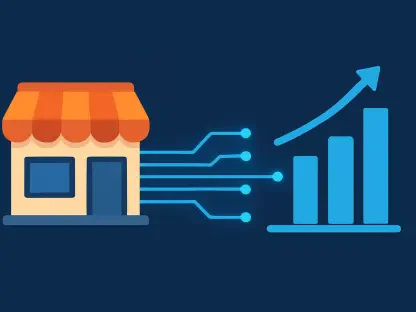

Navigating the complex landscape of enterprise technology often resembles an arduous ascent where the summit remains perpetually obscured by shifting business demands and rapid innovation cycles. IT leaders must resist the urge to upgrade for the sake of technology and instead target initiatives that improve the end-user experience. This fundamental shift in perspective ensures that every modernization effort aligns with the lived reality of those interacting with the systems daily, whether they are frontline employees or external customers. Rather than chasing the latest architectural trends, successful organizations focus on removing friction points that impede productivity. By prioritizing human-centric outcomes, technical teams can secure the necessary internal buy-in to sustain long-term digital transformations. This approach effectively bridges the gap between high-level strategic goals and the granular operational improvements required to maintain a competitive edge in the modern market.
Foundational Strategies: Planning for Scalability
Mitigating Risk: Managing Project Scope
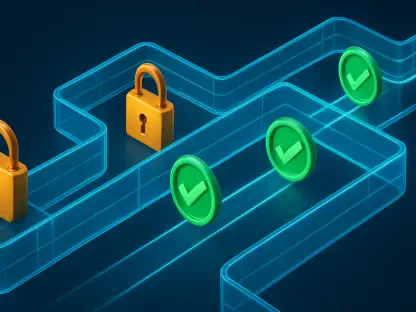
The phenomenon of scope creep represents one of the most significant threats to large-scale modernization efforts, often acting as a silent project killer. When the initial parameters of a digital overhaul begin to expand mid-stream, it creates a cascading effect of resource depletion and scheduling delays. This expansion typically stems from a desire to address every perceived organizational flaw simultaneously, leading to a loss of focus on the primary objective. Industry experts observe that once the core mission becomes diluted by secondary requests, the project’s momentum stalls, and the confidence of executive stakeholders begins to erode. To prevent this, organizations must establish a rigorous gatekeeping process that evaluates every new requirement against the original strategic intent. By maintaining a laser focus on predefined goals, IT departments can avoid the trap of endless development cycles that fail to deliver a finished product. This discipline is essential for the journey.
Driving Value: Business Outcome Alignment
Effective communication between technical teams and business units serves as the primary defense against the gradual expansion of project boundaries. It is crucial to define what constitutes success at the outset, ensuring that all parties understand the limitations of the current phase. This clarity allows leaders to push back against feature bloat that does not directly contribute to the project’s core mission or end-user satisfaction. Building a culture where saying “no” to non-essential additions is encouraged can save millions in potential overruns and months of wasted labor. Moreover, by documenting the rationale for excluding certain features, teams can create a roadmap for future iterations without compromising the immediate delivery timeline. This structured approach fosters transparency and accountability, ensuring that the modernization journey remains on a steady trajectory. Managing expectations is as important as managing the code itself when tackling these huge transitions.
Execution Frameworks: Iterative Delivery Models
Reducing Complexity: Modular System Upgrades
Transitioning from a monolithic approach to a modular framework allows organizations to manage the inherent risks of modernization by isolating complex variables. Instead of attempting a “big bang” replacement of core systems, which often leads to catastrophic downtime or unforeseen integration issues, a “bite-sized” strategy provides a more controlled path forward. This iterative methodology involves identifying specific functional blocks that can be updated independently without disrupting the entire ecosystem. Such an approach enables teams to learn from each small success and apply those insights to subsequent phases of the project. It also allows for greater flexibility in responding to changing market conditions or emerging technological advancements during the transition process. By breaking the journey into manageable segments, the daunting task of scaling the technical “Everest” becomes a series of achievable climbs. This steady progress helps maintain team morale.
Strategic Evolution: Building Future Resilience
The successful transition to modern IT systems required a unwavering commitment to incremental delivery and a rejection of unnecessary complexity. Organizations that thrived were those that maintained a narrow focus on business outcomes while remaining adaptable to technical challenges. They recognized that the path to a fully modernized stack was not a sprint but a disciplined endurance race that rewarded patience and strategic foresight. Moving forward, the focus shifted toward establishing permanent cross-functional teams that viewed system evolution as a continuous process rather than a project with a fixed end date. These teams prioritized deep integration and security, ensuring that every new tool added value. By documenting every stage of the transition, leaders provided a blueprint for future resilience, allowing the organization to respond to shifts with confidence. This transition ensured technology served as a foundation for long-term strategic success rather than a burden on the core.