
The ongoing integration of global logistical networks and regional distribution centers reached a significant milestone as the structural consolidation of the NX Group and cargo-partner matured into a unified operational reality. This evolution marks a pivotal moment for trade in Central and Eastern Europe, where the logistical map is being redrawn by a move that extends far beyond corporate rebranding. As the organizations finalize their legal and structural alignment, they have effectively combined the extensive global reach of a Japanese powerhouse with the localized agility of an Austrian-born regional expert.
This deep integration represents a calculated response to the shifting demands of modern supply chains, which now prioritize resilience and end-to-end transparency over fragmented regional solutions. The unification of assets and personnel across Slovakia, Poland, and Austria creates a singular platform capable of navigating the most intricate logistical challenges. By merging these distinct corporate identities, the group has established a more robust framework that can better withstand market volatility while providing a more seamless experience for international shippers.
A New Powerhouse Emerges: The Heart of Europe
The transition into a unified entity has moved into its final stages, signaling a shift toward a more interconnected European network. This consolidation is not a mere change of stationery but a strategic fusion that brings together extensive infrastructure and diverse talent pools under a single management structure. In the current landscape, the ability to offer a comprehensive service portfolio—ranging from warehousing to complex international freight—is what separates global leaders from regional players.
The roadmap for this transition was previously validated through successful implementations in Hungary and Romania, providing a proven blueprint for the larger markets of Slovakia, Poland, and Austria. By eliminating redundant administrative layers and harmonizing operational standards, the organization has increased its internal efficiency. This streamlined approach allows for faster decision-making and a more consistent service delivery model, ensuring that the group remains competitive in an increasingly crowded marketplace.
The Strategic Logic: Why the Synergy Matters Now
In an era defined by supply chain disruptions, the importance of having a reliable, asset-heavy partner cannot be overstated. This merger provides the necessary scale to secure space on critical trade lanes while maintaining the local touch required to navigate regional regulations and customs. The synergy between the NX Group’s global resources and the specialized regional knowledge of the cargo-partner team ensures that clients receive tailored solutions that are backed by massive logistical weight.
Furthermore, the integration addresses the growing need for technical capabilities and advanced automation within the warehouse environment. By combining financial resources, the group has been able to invest more heavily in digital tools and sustainable infrastructure. This focus on modernization is a key differentiator, allowing the entity to offer more than just transport; it provides a comprehensive logistics ecosystem that is both agile and technologically advanced.
Mapping the Transformation: Slovakia, Poland, and Austria
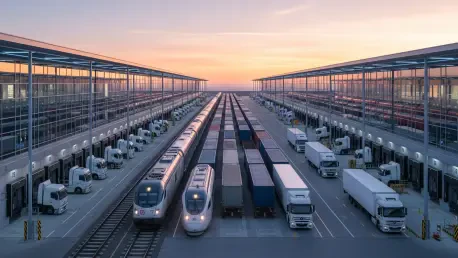
In Slovakia, the focus has shifted toward maximizing intermodal efficiency through the iLogistics Center in Dunajská Streda. This facility’s direct connection to the METRANS rail terminal has become a cornerstone of the regional strategy, facilitating rapid transit between sea and rail. The integration here has unified over 200 specialists, creating a cohesive team that handles tens of thousands of shipments annually with a focus on reducing lead times and improving reliability across all transport modes.
The Polish operations have positioned themselves as a strategic gateway, leveraging a top-tier standing in air imports and a strong presence in sea freight. With specialized centers in Warsaw, Zory, and Poznan, the organization acts as a bridge between the manufacturing hubs of Asia and the consumer markets of Europe. The utilization of rail solutions along the “Iron Silk Road” provides an essential alternative to traditional shipping, offering a balance of speed and cost that is critical for high-volume trade.
Meanwhile, the Austrian market remains the technical and historical center of the operation, featuring highly specialized facilities near Vienna. The GDP-compliant Pharma Center serves the vital life sciences sector, while the timber-based iLogistics Center utilizes the advanced AutoStore system for automated retrieval. These high-tech solutions are specifically designed for the automotive and technology sectors, where inventory accuracy and rapid fulfillment are non-negotiable requirements for success.
Strategic Insights: Leadership and Global Rankings
According to insights from leadership, the integration was built upon the core pillars of customer value, employee empowerment, and strong partnerships. This philosophy ensured that the human element of the logistics chain remained a priority even as the organization grew in scale. By fostering a culture of collaboration, the group managed to maintain operational continuity during the most complex phases of the legal merger, preventing disruptions to client services.
The results of this strategic ambition are evident in the global rankings, where the combined entity has ascended to the fifth position in air cargo and the sixth in sea freight. This elevated status provides significant leverage when negotiating with global carriers, resulting in more reliable space allocations and competitive pricing. For international shippers, this means greater stability in their supply chains and a partner that has the influence to protect their cargo during peak seasons.
Navigating the Network: Strategies for the Integrated Supply Chain
Businesses optimized their operations by leveraging the “gateway” model, utilizing Poland’s robust LCL sea freight connections to bypass congested Western European ports. This strategic shift allowed companies to reduce transit times and mitigate the risks associated with traditional maritime routes. Shippers also took advantage of the specialized pharma and tech infrastructure in Austria, which provided the temperature-controlled environments and automated storage necessary for high-value goods.
The integration facilitated a significant transition from road to rail, particularly through the intermodal hubs in Slovakia. This move not only helped organizations reduce their carbon footprints but also provided a more consistent transit schedule that was less susceptible to road traffic and fuel price fluctuations. Ultimately, the successful navigation of this new landscape required a willingness to adopt these integrated solutions, which offered a blueprint for a more resilient and sustainable European supply chain.