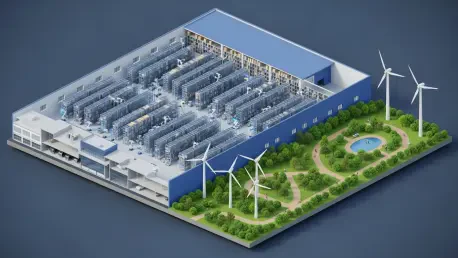

A New Benchmark for Industrial Innovation in Coventry
The rapid convergence of automated intelligence and environmental accountability is currently reshaping the foundational structures of the global transportation and logistics sector. This evolution is perfectly embodied in the Volvo Group’s Regional Distribution Center at SEGRO Park Coventry, representing a £24 million commitment to modernization. The facility serves as more than a simple storage unit; it is a vital nerve center for operations across the UK and Ireland.
By merging high-capacity automation with strict carbon reduction goals, the project establishes a new industrial baseline. This investment illustrates how multinational corporations are de-risking their supply chains through high-spec infrastructure. The integration of technology and sustainability ensures that the facility remains efficient while meeting the rigorous demands of a modern, low-carbon economy.
From Traditional Warehousing to High-Tech Distribution Ecosystems
Modern logistics has transitioned away from the traditional, utilitarian warehouse model toward integrated distribution ecosystems. Historically, proximity to transit arteries was the sole priority for developers, but contemporary demands for speed and accuracy have necessitated technology-heavy sites. Large-scale projects now prioritize versatility, combining manufacturing, warehousing, and administrative functions within a single, cohesive environment.
SEGRO Park Coventry illustrates this shift with its 215-acre footprint and a massive capacity for logistics space. Volvo’s decision to anchor its regional operations here highlights a growing market need for facilities that support high-velocity inventory turnover. These hubs are designed to minimize the physical footprint of the supply chain while maximizing the output of every square foot utilized.
Deconstructing the Volvo Regional Distribution Center
The development of the Volvo hub represents a complex orchestration of design and functional engineering. This facility is structured to handle the specialized needs of automotive parts distribution on a massive scale. It balances the high-intensity requirements of a regional hub with a design philosophy that prioritizes long-term resilience and operational fluidity.
As a design-and-build project, every component is tailored to optimize the movement of goods and people. The structure serves as a case study for how specialized industrial real estate can solve specific logistical bottlenecks. By focusing on site-specific challenges, the development ensures that the Volvo Group can maintain a competitive edge in a rapidly changing European market.
Engineering Efficiency: The Role of Advanced Automation
A sophisticated automated storage and picking system sits at the core of the hub’s operational strategy. In a market often defined by labor shortages, this technology allows for the processing of over 1.3 million order lines annually with extreme precision. This automated approach significantly reduces the margin for error in complex distribution networks.
Such streamlined movement of parts ensures the supply chain remains resilient against fluctuating market demands and economic pressures. By leveraging high-tech picking solutions, Volvo increases its throughput without expanding its physical footprint. Consequently, the facility acts as a high-velocity engine for the company’s transport and automotive sectors.
Integrating Ecological Responsibility: A Focus on Biodiversity
Environmental stewardship is a defining feature of the site’s design, which aims for BREEAM Excellent and EPC A ratings. The integration of photovoltaic panels and electric vehicle charging infrastructure helps decouple industrial growth from carbon emissions. These active technologies are paired with passive design elements to reduce the overall energy consumption of the building.
Beyond the facility itself, the project prioritizes biodiversity by incorporating 100 hectares of community parkland and wetlands. This approach suggests that the future of logistics involves balancing industrial utility with the preservation of local ecosystems. Providing a healthier space for employees and the community has become a hallmark of modern corporate responsibility.
Technical Infrastructure: Navigating Modern Design-and-Build Projects
The construction process, managed by the contractor Glencar, involves specialized engineering solutions tailored to high-density storage. A 12-meter clear haunch height and cement-stabilized earthworks provide the structural integrity required for heavy-duty automated systems. These technical specifications allow the warehouse to support the verticality and weight of modern distribution equipment.
Moreover, the site infrastructure includes rainwater harvesting systems and petrol interceptors to manage environmental risks. These nuances ensure the development remains compliant with increasingly strict regulations regarding industrial runoff and site sustainability. Addressing these engineering challenges early in the design phase secures the long-term viability of the asset.
The Road Ahead: Trends for Low-Carbon Global Supply Chains
Sustainability is shifting from a corporate elective to a non-negotiable business requirement for global corporations. As international regulatory bodies tighten emission standards, high-spec energy-efficient hubs will become the standard for logistics operations. We can expect to see an increase in onsite renewable energy generation and the widespread adoption of heavy-duty electric vehicle fleets.
The success of the SEGRO Park Coventry project will likely prompt further investment in multi-use sites that offer logistical proximity and strong ecological credentials. Companies are increasingly seeking strategic locations that satisfy both operational speed and environmental mandates. This trend marks a move toward a more holistic view of the supply chain where efficiency and nature coexist.
Navigating the Future: Lessons for Industrial Real Estate
Logistics professionals should view advanced automation as a prerequisite for maintaining competitiveness in high-volume markets. Furthermore, prioritizing high BREEAM ratings during the site selection phase provides significant long-term energy savings and protects assets against future legislation. Future-proofing industrial assets requires an early commitment to high-performance building standards.
Incorporating green spaces and community amenities is also proving essential for securing planning permissions and attracting talent. Partnering with experienced developers who understand the design-and-build framework is critical for delivering these multi-faceted requirements. Organizations must align their physical infrastructure with their broader corporate governance and environmental goals.
Shaping the Future: A Review of Logistics and Environmental Stewardship
The Volvo Regional Distribution Center represented a significant leap toward sustainable logistics and industrial innovation. It demonstrated that corporate expansion and ecological responsibility could coexist through the application of advanced engineering and strategic design. The project provided a clear blueprint for how future developments could support a low-carbon economy while maintaining operational excellence.
By merging automation with environmental sensitivity, the facility set a new standard for the global supply chain. The project reinforced the concept that industrial growth depended on the successful integration of technology and nature. Ultimately, the completion of this hub marked a transformative moment for regional distribution, ensuring a more resilient and efficient future for the transport industry.