
The delicate dance of diplomacy in the Persian Gulf has reached a fever pitch as international mediators attempt to secure a lasting truce within the world’s most critical maritime corridor. While the latest round of negotiations suggests a potential de-escalation of regional tensions, commodity traders and logistics experts remain skeptical about a total military withdrawal from these strategic waters. Historically, the Strait of Hormuz has served as a chokepoint for roughly twenty percent of the global petroleum supply, making its security a non-negotiable priority for major energy-consuming nations. Despite the optimistic rhetoric emanating from diplomatic summits, the underlying reality for shipping firms involves a calculated reliance on continued naval escorts to mitigate the risks of sudden policy shifts or localized disruptions. This cautious stance by private sector actors reflects a broader trend of integrating permanent security architectures into the fabric of trade.
Persistent Maritime Security Architectures
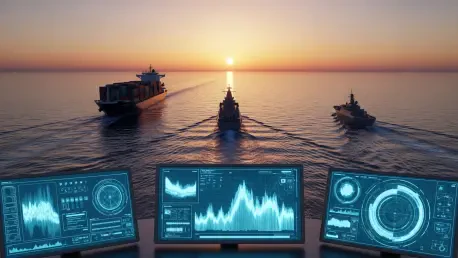
The infrastructure of modern naval protection has evolved into a sophisticated network of automated surveillance and rapid response capabilities that are not easily dismantled. Within the Strait of Hormuz, the integration of unmanned surface vessels and advanced sonar arrays has created a surveillance canopy that many nations view as essential for maintaining economic stability. Even if a formal peace agreement is signed, the technological investment in these systems suggests a long-term commitment to maritime policing that transcends immediate military conflict. Furthermore, insurance underwriters have begun to treat naval presence as a baseline requirement for coverage, effectively institutionalizing the military’s role in commercial logistics. This systemic dependency means that any sudden reduction in patrol frequency could trigger a spike in freight rates and insurance premiums, potentially destabilizing global markets across the entire globe.
Building on this foundation, the operational reality for tanker fleets involves navigating a landscape where physical security and digital monitoring are inextricably linked. The deployment of Aegis-equipped vessels provides a layer of ballistic missile defense that commercial ships simply cannot replicate, offering a psychological and physical buffer against unforeseen aggression. Modern trade lanes now rely on real-time data sharing between military command centers and merchant marine vessels to optimize route safety and avoid potential flashpoints. This collaborative environment has fostered a culture of permanent alertness, where the distinction between wartime footing and peacetime commerce has become increasingly blurred. For the energy sector, the cost of a single disrupted shipment far outweighs the bureaucratic inconvenience of coordinating with naval task forces. As a result, the demand for security remains robust for all stakeholders.
Strategic Imperatives for Global Trade Continuity
Stakeholders across the logistics and energy sectors recognized that a purely diplomatic solution lacked the enforcement mechanisms necessary to guarantee the long-term safety of the Strait. Decisions were made to integrate private security consultants with military coordination offices to create a more resilient framework for vessel transit. This transition moved the focus from temporary crisis management to a sustainable model of risk mitigation that prioritized the continuity of operations above all else. Instead of waiting for a total resolution of political differences, companies invested in onboard defensive technologies and improved communication protocols that aligned with international naval standards. This proactive stance ensured that the global supply chain remained insulated from the inevitable oscillations of regional diplomacy. The focus shifted toward developing standardized protocols for international cooperation to protect the vital lanes of commerce.
Future considerations highlighted the necessity of diversifying transit routes and investing in land-based infrastructure to reduce the singular dependency on the Strait of Hormuz. While the naval presence provided a vital immediate solution, long-term resilience was sought through the expansion of pipelines and the development of alternative energy hubs. These strategic moves allowed nations to mitigate the impact of potential maritime disruptions while maintaining a robust military deterrent to ensure the safety of existing sea lanes. The integration of advanced cyber-security measures also became a priority, as the threat landscape expanded to include digital interference with navigation and communication systems. Navies played a crucial role in this shift, providing the technical expertise and hardware necessary to defend against sophisticated electronic warfare. This evolution demonstrated that maritime security in 2026 was about comprehensive trade protection.