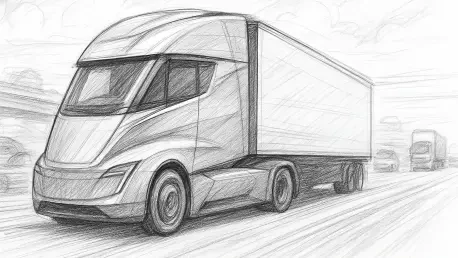

The relentless pursuit of drag reduction has transformed the heavy-duty truck from a boxy utilitarian tool into a sophisticated aerodynamic marvel designed for the 2026 logistics landscape. This shift represents more than an aesthetic change; it is a fundamental re-engineering of how freight moves across continents. By prioritizing airflow over traditional form, manufacturers have unlocked efficiency gains that were previously considered impossible in the transport sector.
Evolution of Aerodynamic Efficiency in Heavy Transport
Modern transport focuses on streamlining silhouettes to combat high-speed air resistance, which accounts for a significant portion of energy consumption. This evolution replaces the flat-fronted cabs of the past with curved, energy-efficient designs that minimize turbulence. Such changes are essential as the industry transitions toward a low-carbon future where every percentage of drag reduction counts for operational success.
Technical Innovations of the Volvo FH Aero
Optimized Cab Geometry and Extended Front
Updated EU regulations now permit longer cab lengths, allowing for a more tapered and rounded front. This extension facilitates laminar flow, ensuring air stays attached to the vehicle surface longer, which significantly reduces the wake and pressure drag behind the trailer.
Camera Monitor System (CMS) Integration
Replacing bulky side mirrors with sleek camera arms removes a major source of turbulence and wind noise. This system offers high-definition feeds to internal screens, providing better visibility in low-light conditions while removing the physical obstruction that traditional mirrors represent.
Advanced Powertrain and Energy Management
The I-Save engine works in tandem with these aerodynamic gains to maximize efficiency. By utilizing turbo-compounding technology, the truck captures waste heat to provide additional torque, ensuring the powertrain does not work harder than necessary to maintain cruising speeds against wind resistance.
Trends Shaping the Future of Logistics Fleet Management
Logistics firms are moving toward Total Cost of Ownership (TCO) models where efficiency offsets initial costs. While the investment in aerodynamic tech is high, the reduction in fuel consumption provides a faster return on investment. Moreover, regulatory standards are increasingly penalizing non-efficient designs through strict carbon taxes.
Real-World Implementation: The Ewals Cargo Care Case Study
Ewals Cargo Care has integrated 27 units into its UK and Ireland division to modernize its fleet. This move demonstrates that aerodynamic gains are not just for long stretches of European highways but are equally effective in the complex, regional logistics networks that require frequent acceleration and deceleration.
Operational Hurdles and Adoption Barriers
Adoption remains slowed by high capital costs and the need for specialized technician training. Additionally, sensor reliability in extreme weather conditions poses a challenge, as mud or snow can obscure the lenses of the camera systems, requiring robust cleaning mechanisms to maintain safety.
The Future Trajectory of Aerodynamic Truck Design
Future designs will likely feature adaptive surfaces that change shape based on speed and wind direction. Breakthroughs in lightweight composites will allow for even more radical geometries without compromising the structural integrity required for heavy-duty hauling or driver safety standards.
Final Assessment: Balancing Performance and Sustainability
The Volvo FH Aero established a new benchmark by proving that sustainability and high performance were not mutually exclusive. It provided a roadmap for how manufacturers could navigate complex regulations while delivering tangible financial benefits to fleet operators. Future fleet strategies should prioritize the integration of modular aerodynamic upgrades to ensure long-term resilience against fluctuating fuel prices.