
Enterprise software vendors have integrated autonomous capabilities so rapidly that most IT departments are currently running systems with functionalities they never formally approved or even properly vetted. This silent expansion, or AI creep, occurs when artificial intelligence features are added

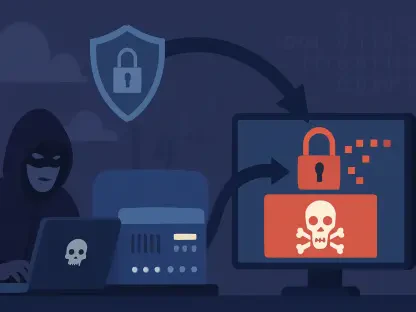
The deceptive allure of a streamlined desktop application often serves as the Trojan horse for modern cybercriminals seeking to infiltrate the most sensitive financial corridors of a corporation. Since most reputable payroll and Human Resources platforms function exclusively through web browsers or

A digital ownership voucher now follows the physical supply chain to the customer to ensure secure and automated transfer of device management rights. This breakthrough in wireless infrastructure emerges from a strategic collaboration between the Wireless Broadband Alliance and the FIDO Alliance,

The transition to quantum resistance involves shifting away from public-key cryptography toward lattice-based schemes like the ML-DSA-44 standard. This fundamental change is currently being pioneered through the launch of Quantumnet, a specialized experimental environment for the Tezos blockchain.

The transition from software that merely suggests ideas to systems that independently execute complex operational sequences represents the most significant shift in computing since the birth of the internet. This review analyzes the current state of autonomous artificial intelligence deployment,

The rapid evolution of artificial intelligence from passive large language models to autonomous agents signifies a monumental shift in how modern enterprises manage their most sensitive digital operations and data. No longer confined to the role of a helpful conversationalist, these agents have