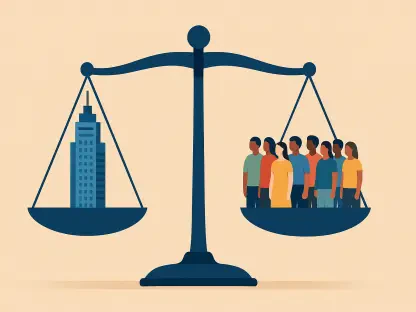

The modern corporate landscape has reached a tipping point where the sheer volume of human resources software often obscures the very efficiencies these tools were designed to create. Organizations today find themselves navigating a dense forest of platforms, ranging from comprehensive suites to

The financial engine behind the American technology sector has recently shifted into a higher gear, pouring an estimated $130 million into a lobbying blitz designed to keep the federal government at arm's length from the inner workings of artificial intelligence. While these tech giants celebrate a

The rapid fusion of cognitive technology and talent management has forced modern executives to reconsider whether their traditional human resources departments are equipped to handle the complexities of a machine-augmented workforce. This shift marks the definitive end of the administrative era and
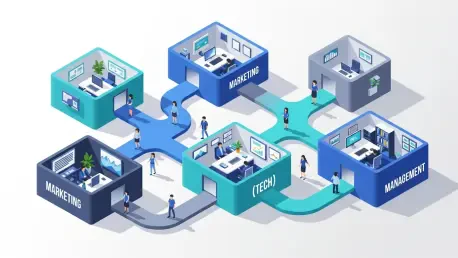
The traditional belief that an employee enters a company through one door and remains in that same hallway until they depart has been completely dismantled by the modern economic climate. Organizations no longer view workforce restructuring as a one-time emergency response to a market dip; instead,
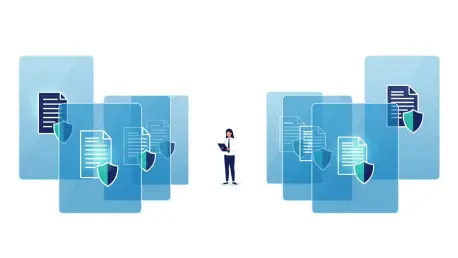
Many modern organizations find themselves trapped between the promise of high-speed artificial intelligence and the reality of fragmented legacy systems that scatter sensitive employee data across disconnected silos. This tension creates a significant barrier to entry for those looking to leverage
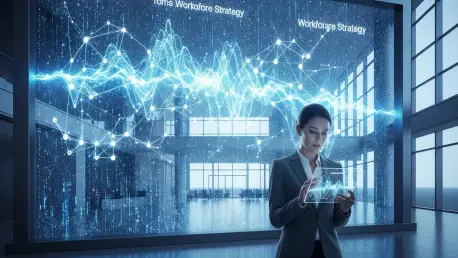
The transition from viewing artificial intelligence as a curious laboratory experiment to a fundamental pillar of corporate operations has reshaped the modern workplace in ways previously thought impossible. For years, human resources departments dabbled in isolated digital tools, often testing