
The shift from viewing artificial intelligence as an experimental novelty to a foundational operational requirement has redefined how global enterprises measure their internal health and scaling potential. Within this high-stakes environment, the modern workforce landscape is currently witnessing a

The transition from content-heavy training to results-oriented education requires moving the metric of success from private internal knowledge to observable public action. In the current corporate environment, many organizations continue to struggle with a significant disconnect between the hours

The failure to distinguish between a minor drop in quality and actual harm often prevents churches from delegating the tasks necessary for growth. While theological depth remains a cornerstone of ministry, the gap between understanding doctrine and executing pastoral care is frequently wider than

The period following the summer holidays often triggers a wave of resignations known as the September Exodus as employees reflect on their stalled professional growth. This seasonal phenomenon highlights a profound structural weakness within modern corporate environments where the perception of
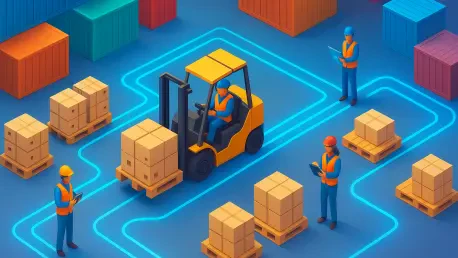
Advanced AI tools like Lucas Systems’ Jennifer provide multilingual support for Spanish, Arabic, and French to eliminate the functional challenges of a diverse labor force. The contemporary logistics landscape is undergoing a radical demographic shift, moving away from a uniform labor pool toward a

A 90% Reduction in Environmental Impact: Tesco’s Cold Chain Evolution Navigating the complexities of a nationwide distribution network requires more than just logistical precision; it demands a radical rethink of how perishables move without compromising environmental integrity. Tesco is currently