
At a rumored price point of $350, the HomePad is being positioned as a premium alternative to established smart displays like the Amazon Echo Show. This announcement is the centerpiece of the “Welcome Home” event in Tribeca, New York, where Apple is expected to unveil a comprehensive strategy that shifts its primary focus from mobile devices to the domestic sphere. For years, the company has played a secondary role in home automation, but this new initiative signals a desire to become the central orchestrator of the modern household. By integrating “Apple Intelligence” into every facet of the home environment, the tech giant aims to provide a cohesive experience that bridges the gap between sophisticated hardware and intuitive software. This expansion is not merely a product launch but a fundamental reimagining of how users interact with their living spaces, moving away from fragmented gadgets toward a unified ecosystem. The event highlights a commitment to on-device processing and user security, potentially setting a new industry standard.
Privacy Evolution: The Non-Recording Security Model
The upcoming J450 indoor security camera represents a radical departure from traditional surveillance technology by prioritizing user privacy over constant recording. Unlike existing products that record and store video footage in the cloud, this device is designed to operate without saving any video frames. This controversial approach aims to eliminate the inherent risks of data breaches and unauthorized access, providing homeowners with a level of digital safety that competitors currently struggle to offer. By processing all visual data locally and discarding it immediately after analysis, Apple is addressing the growing consumer anxiety regarding domestic surveillance. This strategy directly challenges the business models of industry incumbents who rely heavily on subscription-based cloud storage fees. The introduction of such a device suggests that the market is ready for a shift toward “invisible” security, where protection does not come at the cost of personal privacy.
Instead of traditional recording, the camera utilizes powerful on-device artificial intelligence to analyze environmental changes in real-time. The system translates visual stimuli into descriptive text notifications, such as identifying a recognized family member or a delivered package, which are then sent directly to the user’s iPhone. This model not only enhances privacy but also removes the need for monthly storage fees, though it requires users to trade historical video playback for immediate, text-based insights. This trade-off is a calculated risk, as it assumes that modern homeowners value real-time awareness and the absence of a permanent digital record over the ability to review past footage. The technology relies on a high-performance neural engine capable of distinguishing between mundane household movements and significant security events. Consequently, the J450 serves as an intelligent sentry rather than a passive observer, marking a shift in security philosophy.
Operational Hub: The HomePad and Hardware Infrastructure
Serving as the central nervous system for this new ecosystem is the HomePad, a smart display that draws aesthetic inspiration from the iconic design of the iMac G4. Featuring a 6-inch screen mounted on a flexible arm and a sophisticated speaker base, the device is powered by a hybrid operating system that combines the strengths of iOS, tvOS, and watchOS. This premium hub is designed to facilitate multi-user voice recognition and seamless control over various smart devices throughout the home, utilizing the Matter standard for broad compatibility. The hardware configuration allows for a dynamic range of interactions, from video calls to intricate home automation sequences that can be triggered by presence or voice commands. By blending several existing software environments, Apple has created a unique interface specifically optimized for ambient computing. This ensures that information remains accessible at a glance without requiring the user to engage deeply with a traditional screen-based interface.
To ensure the home network can handle these advanced tasks effectively, Apple is also updating its foundational hardware, including the Apple TV 4K and HomePod mini. The new Apple TV will feature a significant processor upgrade and expanded memory to serve as a local computational powerhouse for complex automation routines. This device is no longer just a streaming box; it is the silent engine that manages the heavy lifting of on-device machine learning tasks across the entire network. Meanwhile, the second-generation HomePod mini will focus on faster response times and new aesthetic options, including green and pink finishes, to better fit modern interior designs. These updates are critical for maintaining a low-latency environment, especially as more sensors and displays are added to the household. The inclusion of Wi-Fi 7 across these devices further demonstrates a commitment to future-proofing the smart home against the increasing bandwidth demands of 2026 and the years to come.
Strategic Growth: Partnerships and Developer Expansion
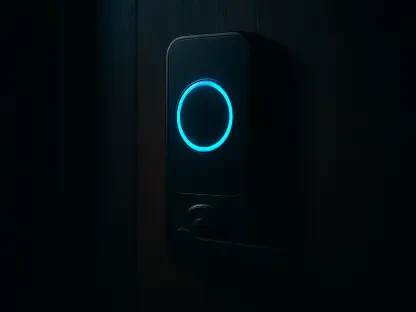
In a significant move to broaden its hardware reach, Apple is collaborating with LG to produce a suite of co-branded smart home peripherals. This partnership allows the company to enter specialized categories like climate control and physical security without needing to manufacture every component in-house. Expected products include smart thermostats with advanced “far-sight” sensing capabilities and smart deadbolts that utilize proximity-based unlocking features through the Apple Wallet. By leveraging LG’s manufacturing expertise and physical distribution channels, Apple can quickly scale its presence in the home market, offering a variety of sensors and actuators that integrate natively with the Home app. This collaborative approach suggests a recognition that a truly smart home requires a density of hardware that a single company would struggle to produce alone. It also provides a clear path for consumers to build a complete ecosystem that feels unified despite being manufactured by different entities.
This expansion into the domestic environment creates a fertile new ground for the developer community, particularly with the introduction of a dedicated hub interface for the HomePad. Developers will be tasked with creating glanceable applications and voice-first experiences that align with the vision of ambient computing. The shift toward text-based security notifications and local AI processing opens up unique opportunities for software creators to build context-aware tools that respect user privacy. For instance, developers in the utility and energy management sectors can now utilize real-time data from the new thermostats to create more efficient heating and cooling schedules. By fostering a dense ecosystem of sensors and intelligent software, Apple aims to fundamentally change the consumer’s relationship with technology by making it more proactive and less intrusive. This strategy ensures that the platform remains extensible, allowing third-party innovation to drive the long-term adoption of the new hardware suite.
Future Trajectory: A Redefinition of Domestic Intelligence
The “Welcome Home” initiative represented a clear declaration of intent to redefine the standards of modern living through the lens of privacy and automation. By prioritizing non-recording cameras and local AI processing, the strategy successfully distanced the company from the data-heavy collection practices that had characterized the industry until that point. This pivot was not merely about selling more gadgets; it was about establishing a new paradigm where the home served as a secure sanctuary rather than a source of data for advertisers. The integration of Apple Intelligence into foundational devices like the Apple TV 4K ensured that the computational burden remained within the user’s control, rather than being outsourced to distant servers. This technical foundation proved essential for building trust among consumers who were previously hesitant to adopt smart home technology. As the ecosystem matured, the focus shifted from individual device capabilities to the collective intelligence of the entire household.
Moving forward, the success of this transition depended on the continued refinement of cross-device communication and the expansion of the Matter-compatible accessory lineup. Homeowners were encouraged to audit their existing security setups and consider the long-term benefits of a privacy-first infrastructure that avoided recurring subscription costs. For those entering the market, the recommendation was to start with the HomePad as a central anchor before expanding into specialized sensors from the LG partnership. The period from 2026 to 2028 was expected to see a significant increase in the adoption of ambient computing, where the house itself anticipated the needs of its occupants. By focusing on actionable insights rather than raw data, the company provided a blueprint for a more ethical and efficient smart home. Ultimately, the shift toward proactive notifications and local processing demonstrated that advanced technology could coexist with personal privacy, setting a precedent for future developments.